

Relationships are meant to bring love, support, and happiness. Excessive rumination can transform a strong relationship into a cause of anxiety. If you often analyze every text message, question your partner’s intentions, or imagine the worst-case scenario, you’re not alone. Learning how to stop overthinking in your relationship can help you create stronger emotional connections and enjoy your relationship with greater confidence.
What Causes Overthinking in a Relationship?
Overthinking usually begins with uncertainty or fear. It may stem from past heartbreaks, trust issues, low self-esteem, or poor communication. Small situations, such as a delayed reply or a change in behavior, can quickly become exaggerated in your mind.
Instead of focusing on facts, your thoughts may create stories that increase anxiety and emotional distance. Identifying the root cause of your overthinking is the first step toward overcoming it.
Recognize the Difference Between Facts and Assumptions
One of the biggest reasons people overthink is confusing assumptions with reality. Your partner may simply be busy at work, but your mind might assume they are losing interest.
Whenever negative thoughts arise, ask yourself:
- Do I have actual evidence?
- Am I assuming the worst without proof?
- Is there another possible explanation?
This habit helps you respond logically instead of emotionally.
Communicate Openly with Your Partner
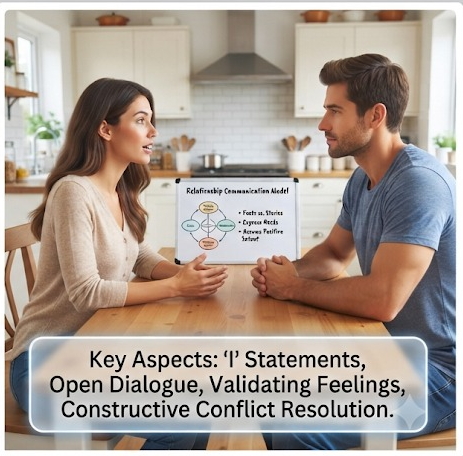
Healthy communication reduces misunderstandings and unnecessary worry. Instead of keeping your fears to yourself, express your feelings calmly and honestly.
Choose statements like:
- “I’ve been feeling anxious lately.”
- “Can we talk about something that’s been on my mind?”
Avoid blaming or accusing your partner. Honest conversations build trust and help both partners understand each other better.
Build Self-Confidence Outside the Relationship
Overthinking often becomes stronger when your happiness depends entirely on your partner. Building your own confidence and maintaining personal interests creates emotional balance.
Focus on activities that make you feel fulfilled, such as:
- Learning a new skill
- Exercising regularly
- Spending time with friends
- Pursuing hobbies and passions
A confident person is less likely to seek constant reassurance from their partner.
Stop Seeking Constant Reassurance
Repeatedly asking your partner if everything is okay may provide temporary relief, but it often strengthens the cycle of anxiety. Instead of depending on reassurance, practice trusting both your partner and yourself.
When anxious thoughts appear, remind yourself that healthy relationships are built on trust, not constant validation.
Practice Mindfulness to Control Negative Thoughts
Mindfulness helps you stay focused on the present instead of worrying about imagined future problems. Simple techniques like deep breathing, meditation, or journaling can reduce racing thoughts.
Devote a mere 10 minutes daily to engage in mindfulness exercises. Over time, you’ll notice improved emotional control and reduced relationship anxiety.
Set Healthy Boundaries with Social Media
Social media can easily trigger overthinking. Comparing your relationship with others or constantly checking your partner’s online activity often creates unnecessary stress.
Limit social media use if it negatively affects your mental well-being. Remember that online posts rarely reflect the complete reality of a relationship.
Accept That No Relationship Is Perfect
Every relationship experiences disagreements, misunderstandings, and difficult moments. Expecting perfection only creates unrealistic standards.
Instead of worrying about every small issue, focus on how you and your partner solve problems together. Growth, respect, and mutual support are stronger signs of a healthy relationship than perfection.
When to Seek Professional Help
If overthinking becomes overwhelming and begins affecting your daily life or relationship, consider speaking with a therapist or relationship counselor. Professional guidance can help you understand emotional patterns, improve communication, and develop healthier coping strategies.
Seeking help is a sign of strength, not weakness.
Learning how to stop overthinking in your relationship takes patience and consistent effort. By recognizing negative thought patterns, communicating openly, building self-confidence, and practicing mindfulness, you can reduce unnecessary anxiety and strengthen your emotional connection. Trust grows when you focus on reality instead of assumptions. A healthy relationship isn’t about never having doubts—it’s about managing them in a way that brings you and your partner closer together instead of driving you apart.
Read Also: Wedding Website Design