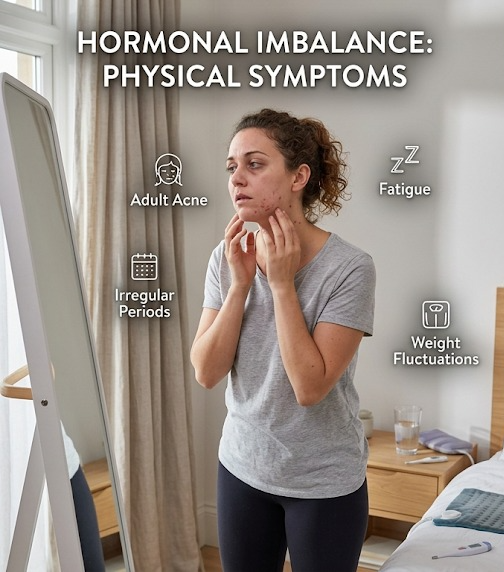

Teenage years are filled with exciting opportunities, personal growth, and significant physical changes. One of the most important aspects of adolescence is managing teenage hormonal transitions. Hormones influence physical development, emotions, energy levels, and even behavior. Understanding these natural changes can help teenagers and parents navigate this phase with confidence and less stress.
This guide explains the causes of hormonal changes, their effects, and practical strategies for maintaining physical and emotional well-being throughout adolescence.
What Are Teenage Hormonal Transitions?
Hormonal transitions begin during puberty when the body’s endocrine system starts producing higher levels of hormones. These hormones trigger rapid growth, reproductive development, and changes in mood and appearance.
For girls, hormones such as estrogen and progesterone regulate menstrual cycles and body development. For boys, testosterone supports muscle growth, voice changes, and facial hair development. Although these changes may feel overwhelming, they are a normal part of growing into adulthood.
Common Signs of Hormonal Changes in Teenagers
Every teenager experiences puberty differently, but several common symptoms indicate hormonal transitions are taking place:
- Rapid growth in height and weight
- Acne and oily skin
- Mood swings and emotional sensitivity
- Increased appetite
- Changes in sleeping patterns
- Development of body hair
- Voice changes in boys
- Menstrual cycle development in girls
The timing and intensity of these changes vary from person to person, making it important not to compare one teenager’s development with another’s.
Emotional Effects of Hormonal Transitions
Hormones do more than change the body—they also affect emotions and mental health. Teenagers may experience sudden happiness, frustration, anxiety, or sadness without an obvious reason. These emotional shifts occur because the brain is still developing while hormone levels continue to fluctuate.
Parents and caregivers can support teenagers by encouraging open communication, listening without judgment, and helping them understand that emotional ups and downs are often temporary. Building emotional awareness during adolescence creates lifelong coping skills.

Healthy Habits for Managing Teenage Hormonal Transitions
Developing healthy daily routines can make hormonal transitions much easier. Simple lifestyle choices have a positive impact on both physical and emotional health.
Eat a Balanced Diet
Hormone control is significantly influenced by nutrition. Teenagers should consume plenty of fruits, vegetables, lean proteins, whole grains, healthy fats, and dairy or calcium-rich alternatives. Limiting sugary snacks and highly processed foods may also help maintain stable energy levels and improve skin health.
Stay Physically Active
Regular exercise supports healthy hormone balance while reducing stress and improving mood. Activities such as walking, cycling, swimming, dancing, or playing sports help release endorphins, which naturally boost emotional well-being.
Prioritize Quality Sleep
Teenagers typically need between eight and ten hours of sleep each night. Adequate rest supports growth, brain development, hormone regulation, and concentration. Maintaining a consistent bedtime and reducing screen time before sleep can improve sleep quality.
Manage Stress Effectively
Academic pressure, friendships, and social media can increase stress during adolescence. Practicing mindfulness, deep breathing, journaling, creative hobbies, or spending time outdoors can help teenagers manage stress in healthy ways.
Supporting Positive Mental Health
Hormonal changes can sometimes contribute to anxiety or low self-esteem. Encouraging teenagers to talk openly about their feelings is essential. Parents, teachers, and trusted adults should provide reassurance and remind teenagers that physical and emotional changes are a normal part of development.
Seeking advice from a medical professional or mental health counselor is advised if mood swings become severe, last for several weeks, or interfere with day-to-day activities.
When to Consult a Healthcare Professional
Although most hormonal transitions occur naturally, certain symptoms deserve medical attention. These include extremely delayed puberty, unusually early puberty, severe acne that does not respond to treatment, irregular menstrual cycles after several years, or significant emotional distress.
Early evaluation can identify any underlying medical conditions and provide appropriate treatment if necessary.
Managing teenage hormonal transitions is an essential part of supporting healthy adolescent development. While puberty brings physical, emotional, and psychological changes, maintaining balanced nutrition, regular exercise, sufficient sleep, and open communication can make the journey smoother. Every teenager develops at their own pace, and patience is key throughout this important stage of life. With proper guidance and healthy habits, adolescents can confidently embrace these natural changes and build a strong foundation for lifelong physical and emotional well-being.
Liver Cancer Symptoms Cause and Remedy
Read Also: Medical Website Design