Many women struggle with stubborn belly fat despite following a healthy diet and regular exercise routine. One possible reason behind this issue is elevated cortisol levels, commonly known as the “stress hormone.” Excess cortisol can lead to a condition often referred to as a cortisol belly, where fat accumulates around the abdomen due to prolonged stress and hormonal imbalance. Understanding the symptoms of cortisol belly in women can help identify the problem early and support effective lifestyle changes.
What Is Cortisol Belly?
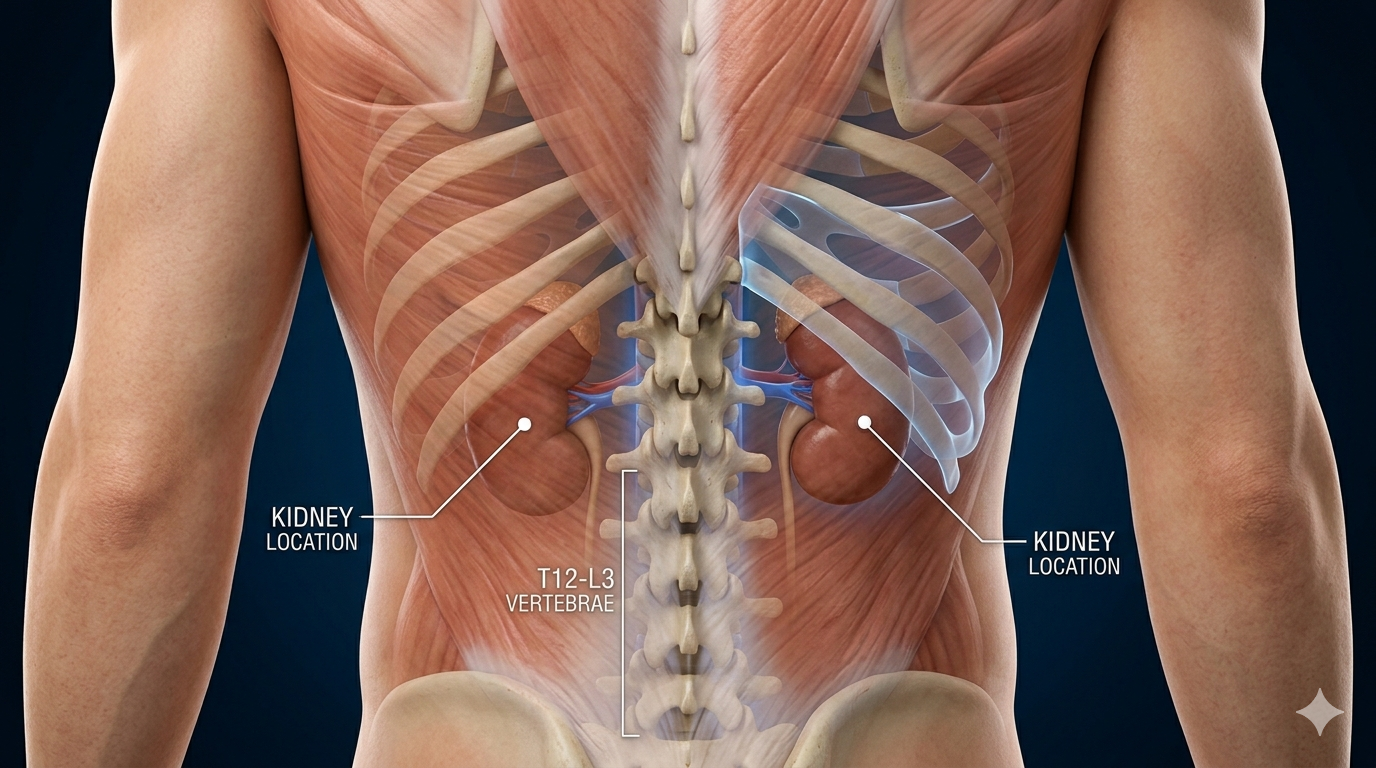
The adrenal glands release cortisol as a stress response. While cortisol plays an essential role in regulating metabolism, blood sugar levels, and inflammation, chronically high cortisol levels can negatively affect the body. One of the most noticeable effects is increased fat storage around the midsection, commonly known as cortisol belly.
Unlike ordinary weight gain, cortisol belly is often associated with stress-related hormonal changes that make abdominal fat more difficult to lose.
Common Cortisol Belly Symptoms in Women
1. Excess Fat Around the Abdomen
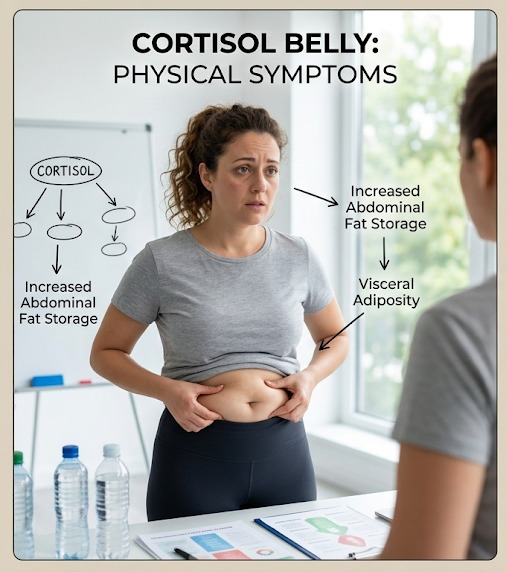
The most recognizable symptom of cortisol belly is the accumulation of fat around the waistline and lower stomach. Women may notice that their arms and legs remain relatively slim while the abdomen becomes larger and more pronounced.
2. Difficulty Losing Belly Fat
Women with high cortisol levels often find it challenging to lose abdominal fat, even when maintaining a calorie-controlled diet and exercising regularly. Elevated cortisol can slow metabolism and encourage fat storage.
3. Constant Stress and Anxiety
Chronic stress is both a cause and symptom of elevated cortisol levels. Women may feel overwhelmed, anxious, or emotionally drained for extended periods. Persistent mental stress can contribute to ongoing hormonal imbalances.
4. Increased Sugar and Carb Cravings
High cortisol levels can trigger cravings for sugary snacks, processed foods, and carbohydrates. These cravings often lead to overeating and further weight gain around the abdomen.
5. Poor Sleep Quality
Sleep disturbances are commonly linked to elevated cortisol. Women may experience difficulty falling asleep, frequent nighttime awakenings, or waking up feeling tired despite getting adequate hours of rest.
6. Fatigue and Low Energy
Persistent tiredness is another common symptom. Even after resting, women may feel physically exhausted or mentally drained. This ongoing fatigue can reduce motivation to stay active and maintain healthy habits.
7. Mood Swings and Irritability
Hormonal imbalances caused by high cortisol levels can affect emotional well-being. Women may experience mood swings, irritability, frustration, or difficulty concentrating during daily activities.

What Causes Cortisol Belly?
Several factors can contribute to elevated cortisol levels and abdominal weight gain:
- Chronic emotional or workplace stress
- Lack of quality sleep
- Poor dietary habits
- Excessive caffeine consumption
- Overtraining without proper recovery
- Underlying hormonal disorders
When these factors persist over time, the body remains in a prolonged stress response, increasing cortisol production and encouraging fat storage around the belly.
How to Reduce Cortisol Belly Naturally
Manage Stress Effectively
Meditation, yoga, deep breathing exercises, or spending time outside are stress-reduction techniques that can help reduce cortisol levels in a natural way.
Prioritize Quality Sleep
Try to acquire seven to nine hours of continuous sleep each night. Creating a consistent bedtime routine can improve sleep quality and support hormone balance.
Follow a Balanced Diet
Focus on whole foods, lean proteins, healthy fats, fruits, vegetables, and fiber-rich foods. Limiting processed foods and excess sugar can help regulate cortisol and support weight management.
Exercise in Moderation
Regular physical activity is beneficial, but excessive intense workouts may increase cortisol levels. A balanced combination of strength training, walking, and low-impact exercises is often most effective.
Cortisol belly symptoms in women often include stubborn abdominal fat, poor sleep, fatigue, cravings, anxiety, and difficulty losing weight. Since chronic stress is a major contributor, addressing lifestyle factors such as stress management, sleep quality, nutrition, and exercise can help restore hormonal balance. If symptoms persist despite healthy habits, consulting a healthcare professional can help identify underlying causes and develop an appropriate treatment plan.
Liver Cancer Symptoms Cause and Remedy
Read Also: Medical Website Design