Losing weight is not about starving yourself or following extreme trends—it’s about creating a balanced, sustainable diet plan that supports your body while helping you shed excess fat. A well-structured weight loss diet plan focuses on nutrient-rich foods, portion control, and consistency. In this article, you’ll learn how to design an effective plan that delivers long-term results.
Understanding the Basics of Weight Loss
When you burn more calories than you eat, you lose weight. This is known as a calorie deficit. However, not all calories are equal. Choosing high-quality, nutrient-dense foods ensures your body gets the vitamins and minerals it needs while maintaining energy levels.
Instead of focusing only on cutting calories, prioritize foods that improve metabolism and reduce cravings. This approach makes your diet easier to follow and more effective over time.
Key Components of a Weight Loss Diet Plan
1. Balanced Macronutrients
A successful diet includes the right balance of carbohydrates, proteins, and fats.
- Protein: Helps build muscle and keeps you full longer
- Carbohydrates: Choose complex carbs like brown rice and oats since they provide energy.
- Healthy fats: Support hormone function and reduce hunger
Maintaining this balance prevents fatigue and promotes steady weight loss.
2. Portion Control
Eating too much of even nutritious meals might cause weight gain. Use smaller plates, measure servings, and avoid overeating. Mindful eating—paying attention to hunger and fullness cues—can significantly improve results.
3. Hydration
Drinking enough water is essential for weight loss. Water boosts metabolism, reduces hunger, and helps eliminate toxins. Aim for at least 8–10 glasses per day.
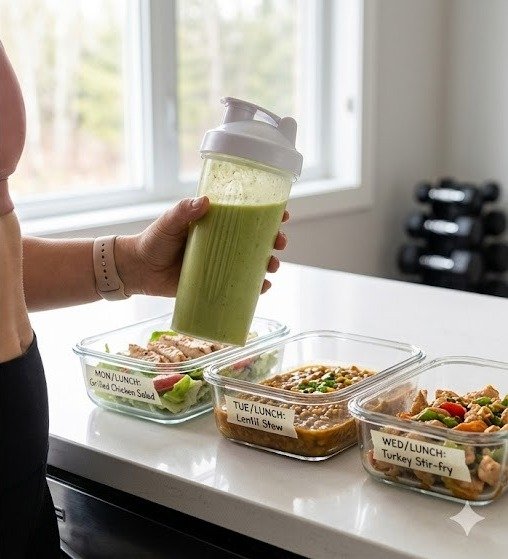
Sample Weight Loss Diet Plan
Morning (Empty Stomach)
- Chia seeds in warm water with lemon or soaked
Breakfast
- Oatmeal with fruits
- Boiled eggs or a protein smoothie
Mid-Morning Snack
- A handful of nuts or a fruit like apple or papaya
Lunch
- Grilled chicken/fish or paneer
- Brown rice or whole wheat roti
- Green vegetables and salad
Evening Snack
- Green tea with roasted chana or sprouts
Dinner
- Light meal such as vegetable soup, salad, or grilled protein
Before Bed
- Herbal tea or a glass of warm milk
This plan is flexible and can be adjusted based on personal preferences and dietary needs.
Foods to Include for Faster Weight Loss

- Leafy greens (spinach, kale)
- Lean proteins (chicken, fish, tofu)
- Whole grains (quinoa, oats)
- Fruits (berries, apple)
- Healthy fats (nuts, seeds, olive oil)
These foods are low in calories but high in nutrients, making them ideal for weight loss.
Foods to Avoid
- Sugary drinks and sodas
- Processed and fast foods
- Refined carbohydrates like white bread
- Excess fried items
Avoiding these helps reduce unnecessary calorie intake and prevents fat accumulation.
Lifestyle Tips for Better Results
A diet alone is not enough. Combine it with healthy habits:
- Exercise regularly (at least 30 minutes daily)
- Get 7–8 hours of sleep
- Manage stress through meditation or yoga
Consistency in these habits enhances the effectiveness of your diet plan.
A weight loss diet plan should be realistic, balanced, and sustainable. Instead of quick fixes, focus on long-term lifestyle changes that promote overall health. By eating nutritious foods, controlling portions, and staying active, you can achieve your weight loss goals safely and effectively.
Liver Cancer Symptoms Cause and Remedy
Read Also: Medical Website Design