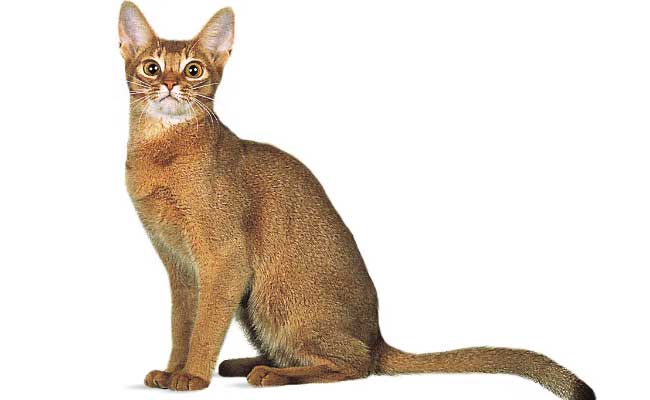
Cats are beloved companions known for their independence, charm, and affectionate nature. One of the most common questions pet owners ask is: How Long Do Cats Live? The answer depends on several factors, including breed, lifestyle, diet, and overall health care. Understanding these elements can help you ensure your feline friend enjoys a long and healthy life.
Average Lifespan of Cats
On average, domestic cats live between 12 to 18 years. However, many cats exceed this range with proper care. It’s not uncommon for well-cared-for cats to reach their early 20s. Some exceptional cases even live beyond 25 years.
Indoor cats generally live longer than outdoor cats. Indoor cats are protected from dangers such as traffic, predators, and diseases, which significantly increases their lifespan.
Indoor vs Outdoor Cats Lifespan
The lifestyle of a cat plays a crucial role in determining how long it lives.
- Indoor cats: Typically live 15–20 years or more
- Outdoor cats: Usually live 5–10 years
Outdoor cats face risks like infections, accidents, and harsh weather conditions. On the other hand, indoor cats benefit from a controlled environment, regular feeding, and consistent veterinary care.

Factors That Affect a Cat’s Lifespan
Several important factors influence how long cats live:
1. Diet and Nutrition
A balanced and nutritious diet is essential for a cat’s longevity. High-quality cat food supports strong immunity, healthy organs, and proper weight management.
2. Veterinary Care
Regular check-ups, vaccinations, and early detection of diseases can significantly extend a cat’s life. Preventive care is key to avoiding serious health issues.
3. Breed and Genetics
Some cat breeds are naturally long-lived, while others may have genetic health conditions. Mixed-breed cats often live longer due to greater genetic diversity.
4. Exercise and Mental Stimulation
Keeping your cat active helps maintain a healthy weight and prevents boredom. Toys, climbing trees, and interactive play improve both physical and mental well-being.
5. Spaying or Neutering
Cats that are spayed or neutered tend to live longer. This reduces the risk of certain cancers and prevents risky behaviors like roaming and fighting.
Longest Living Cats on Record
While the average lifespan is around 15 years, some cats have lived remarkably long lives. The oldest recorded cat lived up to 38 years, proving that with excellent care, cats can far exceed expectations.
Signs Your Cat Is Living a Healthy Life
To ensure your cat is thriving, watch for these signs:
- Bright, clear eyes
- Healthy coat and skin
- Consistent appetite
- Active and playful behavior
- Regular grooming habits
If any unusual changes occur, it’s important to consult a veterinarian promptly.
Tips to Help Your Cat Live Longer
If you want to maximize your cat’s lifespan, follow these simple tips:
- Provide a balanced diet
- Schedule regular vet visits
- Keep your cat indoors or supervised outdoors
- Ensure clean drinking water is always available
- Maintain good hygiene, including litter box cleanliness
- Give plenty of love and attention
So, how long do cats live? While the average lifespan ranges from 12 to 18 years, many cats can live well into their 20s with proper care. By focusing on nutrition, regular veterinary visits, and a safe living environment, you can significantly improve your cat’s quality of life and longevity. Caring for a cat is a long-term commitment, but the years of companionship and joy they provide make it truly worthwhile.
Essential Pet Grooming Tips for a Healthy and Happy Pet
Tips and Tricks to Train your pet successfully
Top 10 Health Benefits of Having a Pet
Read Also: Dog Pet Website Design