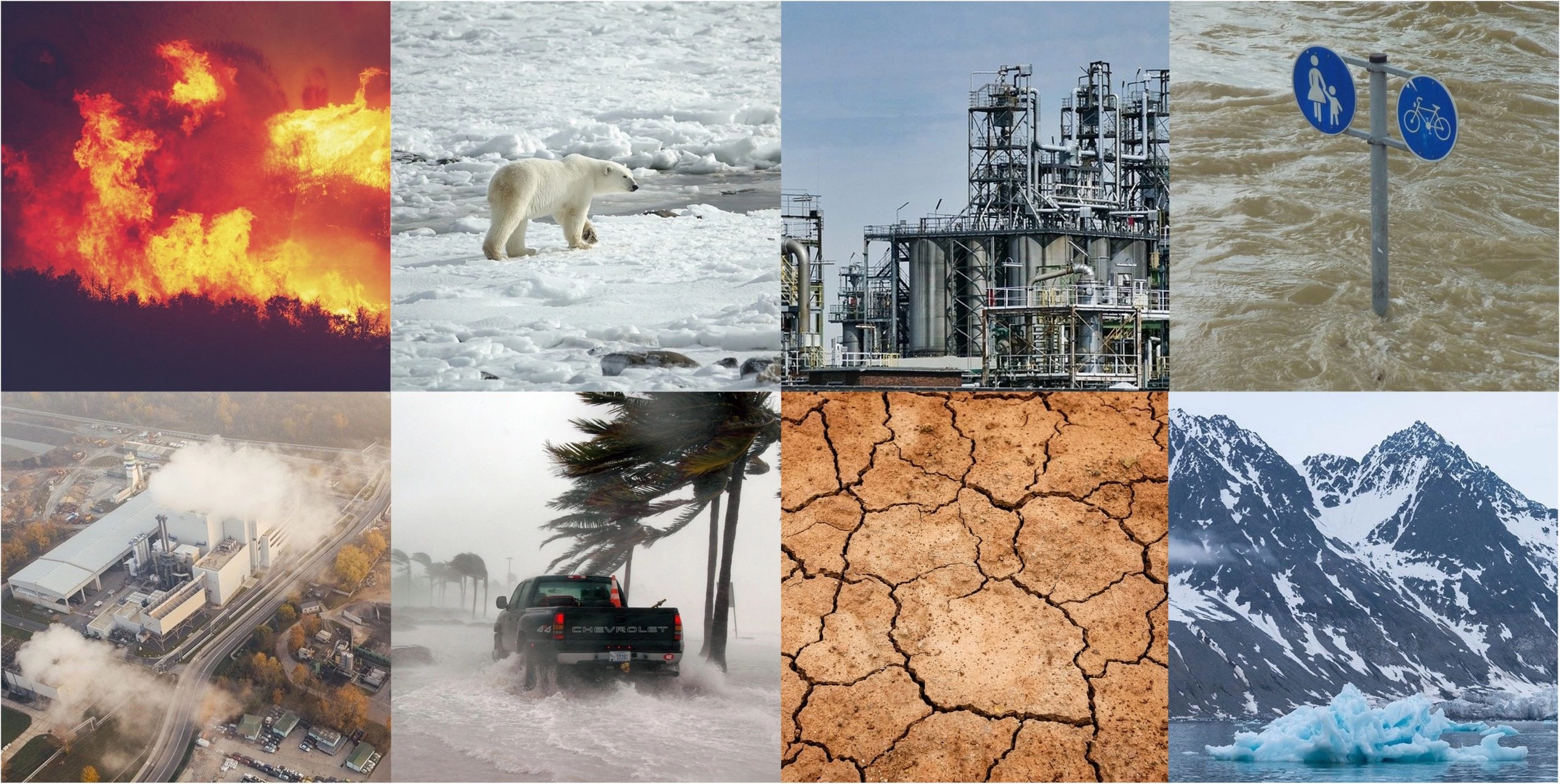
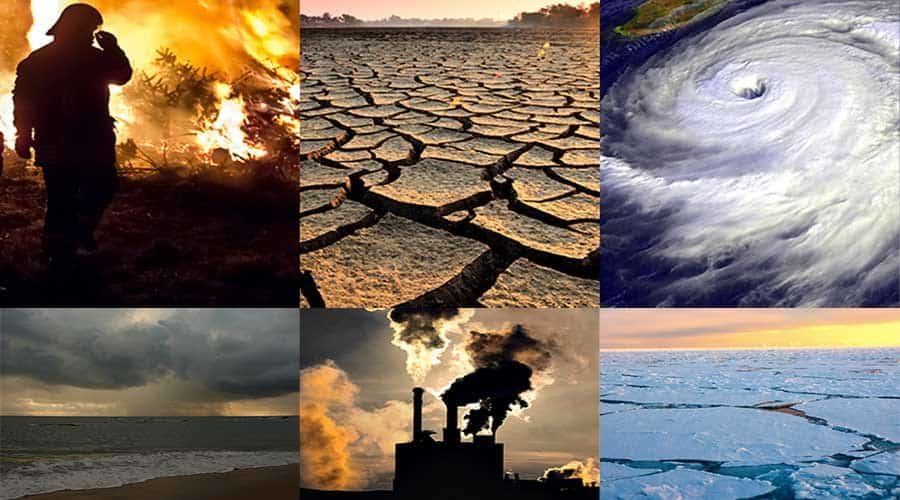
Climate change is no longer a distant concern—it is a reality shaping our everyday experiences. From unpredictable weather patterns to rising costs of living, Climate Change is Affecting Daily Life are becoming more visible. Understanding these impacts can help individuals adapt and take informed actions to protect both themselves and the environment.
Rising Temperatures and Health Issues
The increase in world temperatures is one of the most obvious consequences of climate change. Heatwaves are becoming more frequent and intense, directly impacting human health. Extreme weather can result in dehydration, heat exhaustion, and even heatstroke in individuals.
In urban areas, the “heat island effect” makes cities significantly warmer than surrounding rural regions. This leads to higher energy consumption as people rely more on air conditioning. Additionally, warmer temperatures contribute to the spread of diseases such as dengue and malaria, as mosquitoes thrive in hotter climates.
Unpredictable Weather Patterns
Climate change is causing irregular weather patterns that disrupt daily routines. Sudden rainfall, prolonged droughts, and unexpected storms are becoming more common. For example, commuters may face delays due to heavy rains, while farmers struggle with unpredictable crop cycles.
These weather changes also affect outdoor activities, travel plans, and even work productivity. People are forced to constantly adjust their schedules, making everyday planning more challenging than ever before.
Impact on Food Supply and Prices
Agriculture is highly dependent on stable weather conditions. Climate change disrupts rainfall patterns and increases the frequency of extreme events like floods and droughts. As a result, crop yields are declining in many regions.
This directly affects food availability and leads to rising prices in markets. Everyday grocery shopping becomes more expensive, and certain seasonal foods may become scarce. Over time, this can also impact nutrition and food security, especially for low-income households.
Water Scarcity in Daily Life
Water shortages are becoming a major concern due to climate change. Reduced rainfall and melting glaciers are affecting freshwater sources. Many cities now experience water cuts or limited supply, forcing people to store water and use it more cautiously.
Daily tasks like cooking, cleaning, and bathing are directly impacted. In some regions, people have to travel long distances just to access clean drinking water. This not only affects convenience but also poses serious health risks.
Increased Energy Consumption
As temperatures rise, the demand for electricity increases significantly. Air conditioners, fans, and cooling systems are used more frequently, leading to higher electricity bills. This puts financial pressure on households.
At the same time, extreme weather events can damage power infrastructure, causing frequent outages. These disruptions affect work-from-home setups, online education, and daily household activities.
Effects on Mental Well-being
Climate change is not just a physical issue—it also impacts mental health. Constant exposure to extreme weather, natural disasters, and environmental changes can cause stress, anxiety, and uncertainty about the future.
People living in vulnerable areas may experience fear of losing their homes or livelihoods due to floods, cyclones, or rising sea levels. This emotional strain becomes a part of everyday life for many individuals.
Changes in Lifestyle and Habits
Due to climate change, people are gradually adapting their lifestyles. Many are shifting towards eco-friendly habits such as reducing plastic use, conserving water, and using public transportation.
Clothing choices are also influenced by changing weather conditions, with lighter and more breathable fabrics becoming common. Even working hours and routines are being adjusted in regions where extreme heat affects productivity.
Climate Change is Affecting Daily Life, influencing everything from health and food to finances and mental well-being. While its impacts are widespread, individuals can still play a role in reducing its effects by adopting sustainable practices and spreading awareness.
Andaman and Nicobar Islands Forests
Tours And Travels Website Design