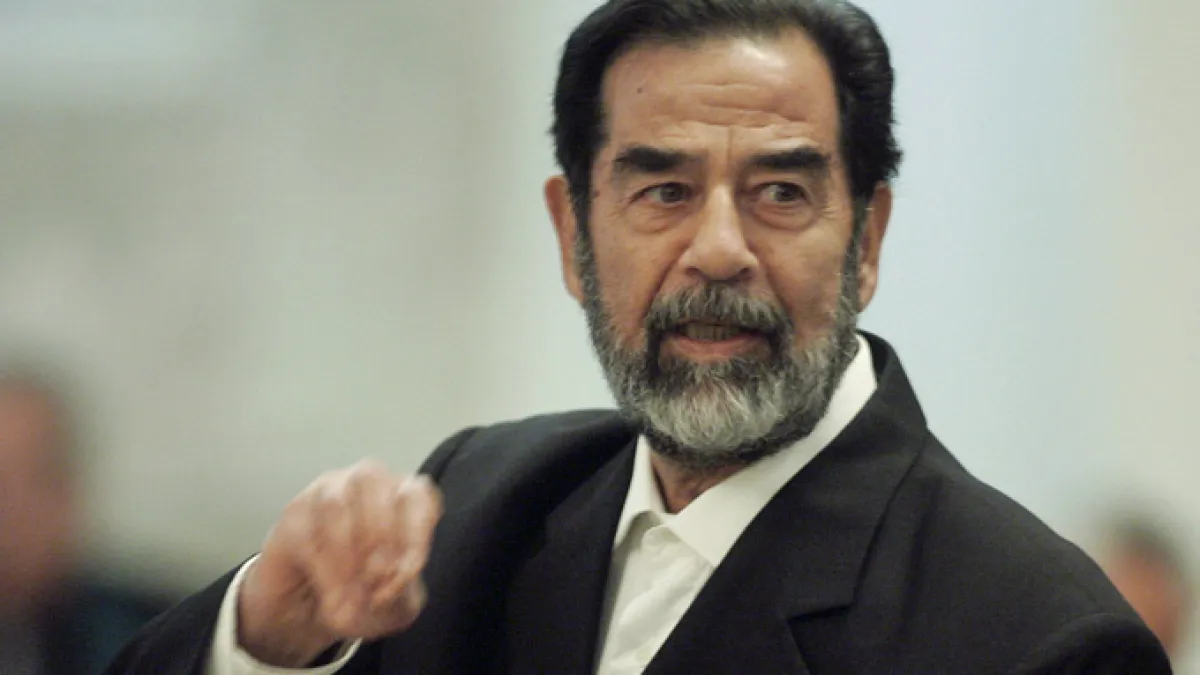
Saddam Hussein, the former President of Iraq, was hanged on December 30, 2006, following a historic trial that drew global attention. His execution marked the end of a controversial and authoritarian rule that lasted for more than two decades. Understanding Why Saddam Hussein Was Hanged requires looking at his political career, the crimes he was accused of, and the legal process that led to his death sentence.
Rise to Power
Saddam Hussein rose to power in 1979 after years of political involvement within Iraq’s ruling party. Known for his strong leadership style, he quickly established control over the country. However, his regime was widely criticized for its harsh policies, suppression of dissent, and use of violence against political opponents. Over time, allegations of human rights violations began to surface, both domestically and internationally.
Allegations of Crimes
The primary reason behind Saddam Hussein’s execution was his involvement in crimes against humanity. One of the most significant cases against him was related to the town of Dujail. In 1982, following an assassination attempt against him, Saddam ordered a severe crackdown in the town. This resulted in the killing of 148 people, including men, women, and children. Many others were imprisoned and tortured.
Apart from the Dujail incident, Saddam Hussein was also accused of other serious crimes, including the use of chemical weapons against Kurdish civilians in Halabja and the suppression of uprisings in southern Iraq. Although these cases were not fully tried before his execution, they contributed to his global reputation as a dictator responsible for widespread human rights abuses.
Capture and Trial
After the 2003 invasion of Iraq led by the United States, Saddam Hussein went into hiding. He was captured by U.S. forces in December 2003 near his hometown. His arrest was a turning point that allowed for legal proceedings to begin against him.
Saddam Hussein was tried by the Iraqi Special Tribunal, which was established to prosecute former regime officials. The trial began in 2005 and focused primarily on the Dujail massacre. During the trial, witnesses testified about the atrocities committed under his orders. The court examined evidence, including documents and survivor accounts, linking Saddam directly to the killings.
Verdict and Sentencing
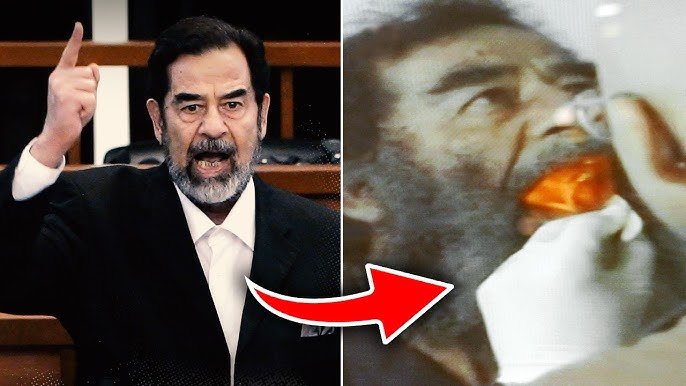
On November 5, 2006, Saddam Hussein was found guilty of crimes against humanity for his role in the Dujail killings. The court sentenced him to death by hanging. The verdict was met with mixed reactions around the world. Some viewed it as justice for the victims, while others raised concerns about the fairness of the trial and the use of capital punishment.
Saddam Hussein appealed the decision, but the appeal was rejected. According to Iraqi law, the execution had to be carried out within 30 days of the final ruling.
Execution
Saddam Hussein was executed by hanging on December 30, 2006. The execution took place early in the morning and was witnessed by government officials. His death marked a significant moment in Iraq’s history, symbolizing the end of his regime and an attempt to move toward justice and accountability.
Global Reactions
The execution of Saddam Hussein sparked strong reactions worldwide. Some countries supported the decision, believing it delivered justice for victims of his rule. Others criticized the execution, arguing that it could deepen divisions within Iraq and questioning whether the trial met international standards.
Saddam Hussein was hanged primarily due to his conviction for crimes against humanity, specifically the killing of civilians in Dujail. His execution followed a legal process initiated after his capture in 2003. While opinions about the trial and execution vary, it remains a significant event in modern history, highlighting issues of justice, accountability, and human rights.
What Happens After the Death of a Human
Survival of the Fittest Theory by Charles Darwin
Read Also: Education Website Design