Knowing the right time to Take a Pregnancy Test is important for getting accurate results. Testing too early can lead to confusion, stress, and false results. This guide explains when to take a pregnancy test, how it works, and tips to ensure the most reliable outcome.
How Pregnancy Tests Work
The presence of a hormone called human chorionic gonadotropin (hCG) is detected by pregnancy tests. This hormone is produced after a fertilized egg attaches to the lining of the uterus. The levels of hCG increase rapidly in early pregnancy, making it possible to detect pregnancy through urine or blood tests.
Home pregnancy tests are designed to detect hCG in urine, while blood tests done at clinics can detect lower levels earlier.
When Is the Best Time to Take a Pregnancy Test?
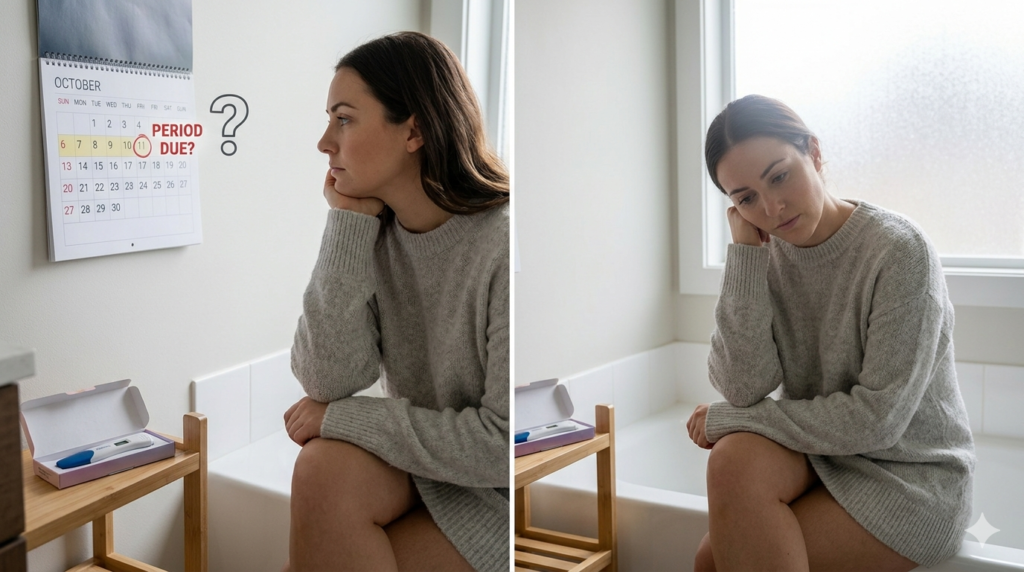
The best time to Take a Pregnancy Test is after you miss your period. Most home pregnancy tests are highly accurate when used on the first day of a missed period or later. By this time, hCG levels are usually high enough to be detected.
If you have irregular periods or are unsure about your cycle, it’s recommended to wait at least 14 days after ovulation or unprotected sex before testing.
Can You Take a Pregnancy Test Early?
Many early detection pregnancy tests claim to give results before a missed period. While it is possible to test early, the accuracy may be lower. Testing too soon can result in a false negative because hCG levels may not yet be high enough.
If you choose to test early and get a negative result, it is best to repeat the test after a few days or once your period is missed.
What Time of Day Should You Test?
For the most accurate results, take the pregnancy test in the morning using your first urine. Morning urine is more concentrated and contains higher levels of hCG, especially in early pregnancy.
If testing later in the day, avoid drinking excessive fluids beforehand, as it can dilute the hormone levels and affect the result.
Signs That Indicate You Should Take a Pregnancy Test
You may consider taking a pregnancy test if you notice early pregnancy symptoms, such as:
- Missed period
- Nausea or morning sickness
- Breast tenderness
- Fatigue
- Frequent urination
However, these symptoms can vary and may also be caused by other factors, so testing is the only way to confirm pregnancy.
What If You Get a Negative Result?
Just because the test result is negative doesn’t mean that you aren’t pregnant. If you tested too early, hCG levels might not be detectable yet. In such cases, wait a few days and test again.
If your period still doesn’t start and you continue to get negative results, consider consulting a healthcare professional for further evaluation.
What If You Get a Positive Result?
A positive pregnancy test usually indicates pregnancy. After a positive result, it’s important to schedule an appointment with a doctor to confirm the pregnancy and begin prenatal care.
Early medical guidance ensures a healthy pregnancy and helps you understand the next steps.
Tips for Accurate Results
To improve the accuracy of your pregnancy test:
- Always follow the instructions on the test kit
- Check the expiration date of the test
- Use the first morning urine when possible
- Avoid testing too early
- Repeat the test if results are unclear
Timing is key when it comes to taking a pregnancy test. For the most accurate results, wait until after a missed period and test in the morning. While early testing is possible, it may not always give reliable results. If you are unsure, repeating the test or consulting a doctor can provide clarity and peace of mind.
Effects of AI in Upcoming Technology
Manhole – Essential Access Points in Urban Infrastructure
RCPC Manhole Covers and Frames
Read Also: Social Network Website Design