

A comprehensive sex education curriculum is a structured educational program that provides students with accurate, age-appropriate, and evidence-based information about human development, relationships, health, and personal safety. Unlike traditional sex education that focuses only on reproduction or abstinence, comprehensive sex education (CSE) covers a broader range of topics to help young people make informed, responsible, and respectful decisions throughout their lives.
As society evolves and access to online information increases, students need reliable guidance to separate facts from myths. A well-designed comprehensive sex education curriculum equips learners with practical knowledge and life skills that promote healthy relationships, prevent misinformation, and encourage personal responsibility.
What Is a Comprehensive Sex Education Curriculum?
A comprehensive sex education curriculum is a planned course of study that teaches students about physical, emotional, social, and psychological aspects of human sexuality. The curriculum is designed according to the age and developmental stage of learners, ensuring that the content is appropriate and relevant.
Rather than focusing solely on sexual activity, comprehensive sex education helps students understand topics such as body changes, consent, communication, gender equality, reproductive health, emotional well-being, and personal boundaries. The goal is to prepare individuals with the knowledge and confidence needed to make safe and informed decisions.
Key Components of Comprehensive Sex Education
An effective comprehensive sex education curriculum includes several essential topics:
1. Human Growth and Development
Students learn about puberty, reproductive anatomy, body changes, and emotional development. This helps normalize physical changes and reduces confusion or anxiety during adolescence.
2. Healthy Relationships
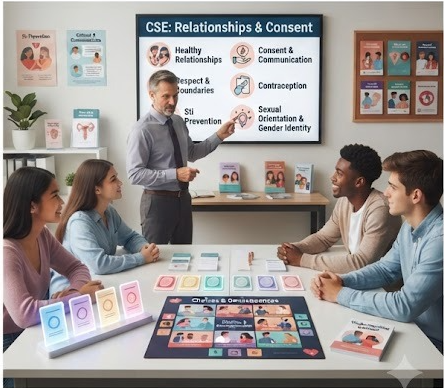
The curriculum teaches the importance of trust, respect, communication, empathy, and mutual understanding. Students also learn how to recognize healthy and unhealthy relationship behaviors.
3. Consent and Personal Boundaries
One of the most important lessons involves understanding consent. Students learn that consent must be clear, voluntary, and ongoing while also respecting their own boundaries and those of others.
4. Sexual and Reproductive Health
Learners receive factual information about pregnancy, contraception, sexually transmitted infections (STIs), reproductive healthcare, and preventive practices. Accurate knowledge helps reduce myths and misinformation.
5. Online Safety and Digital Responsibility
Modern curricula often include digital citizenship, teaching students about online privacy, cyberbullying, sharing personal images, and responsible social media use.
Benefits of Comprehensive Sex Education
A comprehensive sex education curriculum offers numerous advantages for students, families, and communities.
- Encourages informed decision-making based on facts.
- Promotes respect, equality, and healthy communication.
- Helps prevent misinformation spread through unreliable online sources.
- Builds confidence and self-awareness during adolescence.
- Supports safer behaviors and better understanding of reproductive health.
- Encourages students to seek reliable healthcare information when needed.
Research has consistently shown that students who receive comprehensive sex education are better equipped to understand their bodies, communicate effectively, and make responsible choices.
Why Schools Should Implement Comprehensive Sex Education
Schools play a significant role in preparing students for real-life situations. A comprehensive curriculum ensures that every student receives consistent, medically accurate, and inclusive information regardless of their background.
Educators can create a supportive learning environment where students feel comfortable asking questions without fear of judgment. Parents also benefit because schools provide professionally developed educational materials that complement family discussions.
By addressing topics early and appropriately, schools help reduce stigma surrounding puberty, relationships, and reproductive health while encouraging respect for diversity and personal dignity.
Common Misconceptions
Some people believe comprehensive sex education encourages early sexual activity. However, research has found that quality sex education focuses on knowledge, responsibility, communication, and safety rather than promoting sexual behavior.
Another misconception is that these programs replace parental guidance. In reality, comprehensive sex education supports and strengthens conversations between parents and children by providing accurate information and encouraging open communication.
A comprehensive sex education curriculum is much more than teaching about reproduction. It provides students with essential life skills, accurate health information, and practical guidance for building respectful relationships and making informed decisions. By covering topics such as consent, emotional well-being, reproductive health, and online safety, comprehensive sex education prepares young people for the challenges of modern life. Investing in high-quality, age-appropriate sex education helps create healthier individuals, stronger communities, and a more informed future generation.
Private Places for Couples in Kolkata
Read Also: Adult Toys Website Design