India is known for its diverse culinary heritage, especially when it comes to traditional sweets. Among the many regional delicacies, Thekua from Bihar and Ukadiche Modak from Maharashtra stand out for their unique flavors, cultural importance, and festive associations. These sweets are not only delicious but also deeply rooted in Indian traditions.
What is Thekua?
Thekua is a traditional sweet snack popular in Bihar, Jharkhand, and parts of eastern Uttar Pradesh. It is especially prepared during the festival of Chhath Puja, a major Hindu festival dedicated to the Sun God.
Ingredients and Preparation
Thekua is made using simple ingredients such as:
- Whole wheat flour
- Jaggery (or sugar)
- Ghee
- Fennel seeds
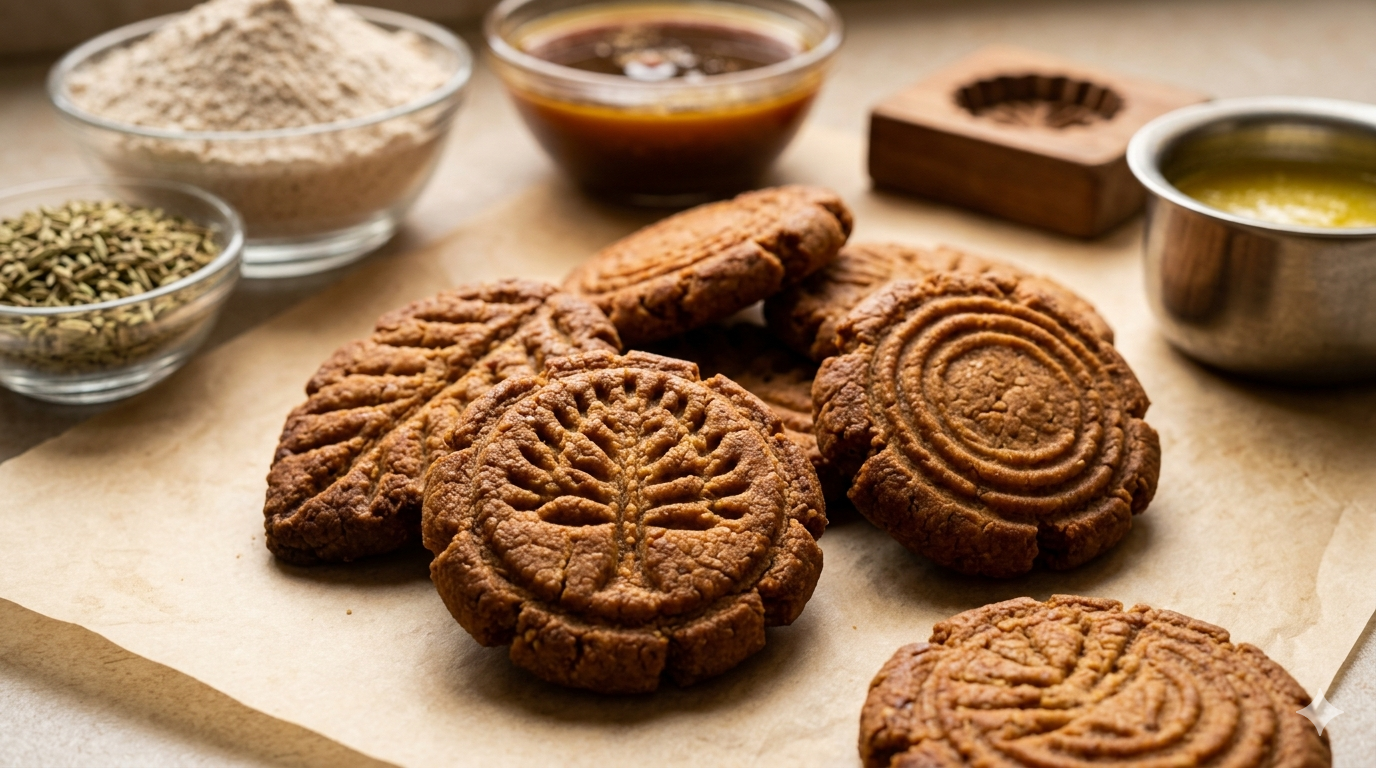
The dough is prepared by mixing flour with melted jaggery syrup and ghee. Small portions are shaped, often using wooden molds for decorative patterns, and then deep-fried until golden brown.
Taste and Texture
Thekua has a crunchy texture with a mildly sweet taste. The use of jaggery gives it a rich, earthy flavor, while fennel seeds add a refreshing aroma.
Cultural Importance of Thekua
Thekua holds immense religious significance during Chhath Puja. It is offered as prasad to the Sun God and is considered pure and sacred. Since it does not spoil easily, it is ideal for rituals that require food to be kept for long durations.
What is Ukadiche Modak?
Ukadiche Modak is a traditional Maharashtrian sweet dumpling, closely associated with the festival of Ganesh Chaturthi. It is believed to be the favorite sweet of Lord Ganesha.
Ingredients and Preparation
Ukadiche Modak is made using:
- Rice flour
- Fresh grated coconut
- Jaggery
- Cardamom
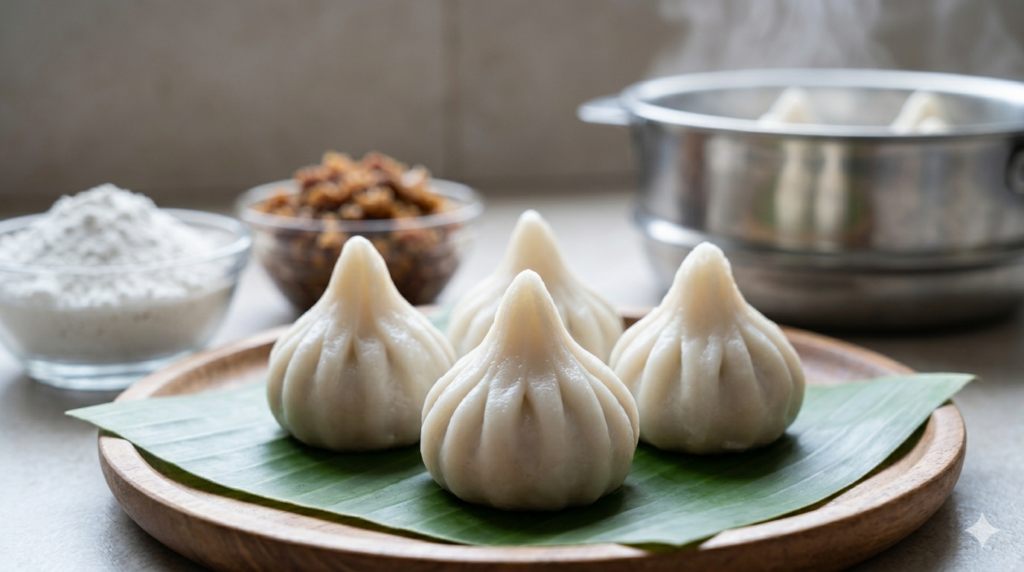
The outer covering is prepared from rice flour dough (called “ukad”), while the filling consists of coconut and jaggery cooked together. The dumplings are shaped into a conical form with pleats and then steamed.
Taste and Texture
Ukadiche Modak has a soft, melt-in-the-mouth texture. The combination of coconut and jaggery creates a sweet, aromatic filling that is both rich and satisfying.
Cultural Importance of Ukadiche Modak
During Ganesh Chaturthi, devotees prepare Ukadiche Modak as an offering to Lord Ganesha. It is believed that offering modaks brings blessings, prosperity, and happiness. In many households, making modaks is a family tradition passed down through generations.
Differences Between Thekua and Ukadiche Modak
While both are traditional sweets, they differ in many ways:
- Region: Thekua belongs to Bihar, while Ukadiche Modak originates from Maharashtra.
- Cooking Method: Thekua is deep-fried, whereas modak is steamed.
- Main Ingredients: Thekua uses wheat flour, while modak uses rice flour.
- Occasion: Thekua is linked with Chhath Puja, while modak is associated with Ganesh Chaturthi.
Health Benefits
Both sweets, when prepared traditionally, offer some nutritional value:
- Jaggery is rich in iron and helps in digestion.
- Coconut provides healthy fats and essential nutrients.
- Homemade preparation ensures fewer preservatives and additives.
However, moderation is important, especially due to their sugar content.
Thekua Ukadiche Modak Modak are more than just sweets; they represent India’s cultural diversity and rich traditions. Whether it’s the crunchy, long-lasting Thekua or the soft, flavorful Ukadiche Modak, each has its own charm and significance. Including these traditional recipes in your festive celebrations not only enhances the joy but also keeps cultural heritage alive.
Best Adventures to do in India
Read Also: Tours And Travels Website Design