Coffee is more than just a morning drink—it’s a daily ritual that can be both relaxing and rewarding. If you’ve ever wondered how to make coffee that tastes like it’s from your favorite café, you’re in the right place. This specialty coffee brewing guide at home will help you understand the basics, choose the right equipment, and master brewing techniques that bring out the best flavors in every cup.
Whether you’re a beginner or an experienced coffee enthusiast, following the right brewing methods can transform your home coffee experience.
What Is Specialty Coffee?
Specialty coffee refers to high-quality coffee beans that are carefully grown, harvested, processed, and roasted to preserve their unique flavors. Unlike commercial coffee, specialty coffee highlights the bean’s origin, allowing you to taste distinct notes such as chocolate, berries, citrus, caramel, or floral aromas.
The Specialty Coffee Association (SCA) considers coffee scoring 80 points or above on a 100-point scale as specialty coffee.
Choose Fresh, High-Quality Coffee Beans
The foundation of great coffee starts with the beans. Look for freshly roasted specialty coffee from reputable local roasters or trusted online sellers.
When buying coffee, pay attention to:
- Roast date instead of expiration date
- Whole beans rather than pre-ground coffee
- Origin information
- Roast profile (light, medium, or dark)
Fresh beans retain their natural oils and aromas, producing a richer and more flavorful brew.
Invest in a Good Coffee Grinder
Grinding coffee just before brewing is one of the easiest ways to improve taste. Pre-ground coffee loses freshness quickly, while freshly ground beans preserve delicate flavors.
Burr grinders are recommended because they create consistent particle sizes, ensuring even extraction. Blade grinders often produce uneven grounds that can result in bitter or weak coffee.
Choose the grind size according to your brewing method:
- Coarse for French Press
- Medium for Drip Coffee
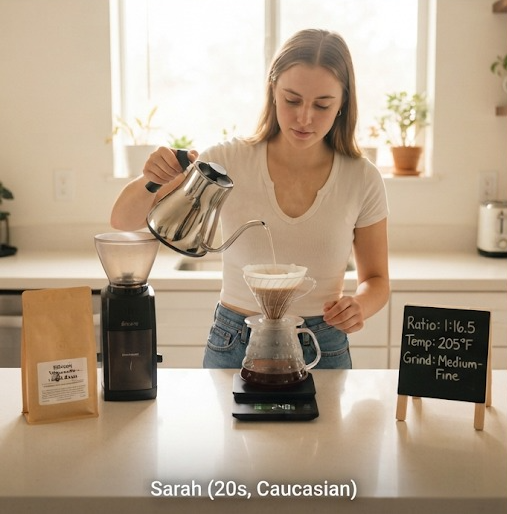
- Medium-fine for Pour Over
- Fine for Espresso
Use Clean, Filtered Water
Coffee is nearly 98% water, making water quality extremely important. Tap water containing excessive chlorine or minerals can negatively affect flavor.
Use fresh, filtered water heated between 90°C and 96°C (195°F–205°F). Water that’s too hot can over-extract the coffee, while cooler water may lead to under-extraction.
Select the Right Brewing Method
Different brewing methods create different flavor profiles. Here are some popular options for home brewing:
Pour Over
Pour-over brewing offers excellent control over extraction and produces a clean, bright cup with enhanced flavor clarity.
Popular equipment includes:
- V60
- Kalita Wave
- Chemex
This method works especially well with light and medium roasts.
French Press
The French Press is simple and affordable. It creates a rich, full-bodied coffee because the metal filter allows natural oils to remain in the cup.
Steep coffee for about four minutes before slowly pressing the plunger.
AeroPress
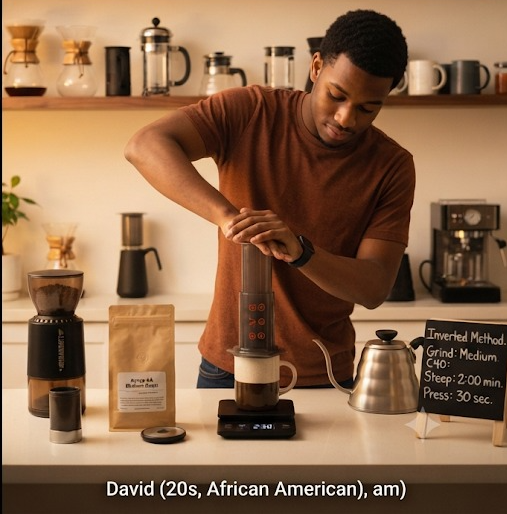
AeroPress is versatile, portable, and perfect for beginners. It produces smooth coffee with low bitterness and allows experimentation with brewing time and pressure.
Espresso Machine
If you enjoy cappuccinos or lattes, an espresso machine is an excellent investment. Espresso requires fine grinding, precise pressure, and careful timing to achieve balanced extraction.
Follow the Correct Coffee-to-Water Ratio
Consistency is key when brewing specialty coffee.
A common starting ratio is:
1 gram of coffee for every 16 grams of water
For example:
- 20 grams coffee
- 320 milliliters water
Using a digital kitchen scale helps maintain accuracy and ensures consistent results every time.
Perfect Your Brewing Technique
Even premium coffee beans cannot compensate for poor brewing habits.
Keep these tips in mind:
- Bloom freshly ground coffee for 30–45 seconds.
- Pour water slowly and evenly.
- Maintain a steady brewing temperature.
- Avoid rushing the extraction process.
- Clean brewing equipment after every use.
Small improvements in technique often make the biggest difference in flavor.
Store Coffee Properly
Proper storage keeps coffee fresh longer.
Store beans in an airtight container away from:
- Heat
- Moisture
- Direct sunlight
- Strong odors
Avoid storing coffee in the refrigerator, as moisture and food odors can damage its flavor. Purchase smaller quantities that can be consumed within two to four weeks after roasting.
Experiment and Enjoy the Process
One of the greatest joys of specialty coffee is discovering your personal preferences. Try beans from different countries, adjust grind sizes, change brewing ratios, and experiment with various brewing methods.
Keeping a simple coffee journal can help you remember which combinations produce your favorite flavors.
Brewing specialty coffee at home doesn’t require professional barista training. With fresh beans, a quality grinder, clean water, accurate measurements, and the right brewing method, you can enjoy exceptional coffee every day.
Following this specialty coffee brewing guide at home will help you consistently brew flavorful, aromatic coffee while deepening your appreciation for the craft behind every cup. Start with the basics, practice regularly, and soon you’ll create café-quality coffee from the comfort of your own kitchen.
State Wise Food Culture in India
Worldwide Famous Spices of India
Read Aslo: Recipe Cuisine