
The global travel industry is a multifaceted sector, but one of its most controversial and legally complex niches is sex tourism. Defined as travel specifically for the purpose of engaging in sexual activity with locals, this industry spans across continents, operating under a patchwork of legal frameworks—ranging from full decriminalization to strict prohibition.
In 2026, Sex Tourism Countries is shifting due to increased digital surveillance, stricter human trafficking laws, and a growing global emphasis on ethical travel. Below is an overview of the countries often cited in this industry and the legal realities surrounding them.
The Legal Spectrum-Understanding the Industry
Before identifying specific hubs, it is crucial to distinguish between legal, regulated prostitution and illegal sex trafficking. In countries where sex work is legal, the goal is often to provide a safer environment through mandatory health checks and labor rights. Conversely, in regions where it is illegal but “tolerated,” the risk of exploitation and crime is significantly higher.
1. Thailand-The Traditional Epicenter
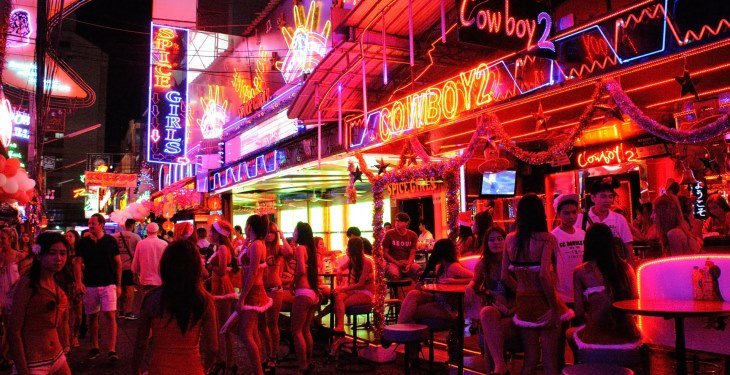
Thailand has long been synonymous with sex tourism, particularly in cities like Bangkok (Patpong) and Pattaya. While prostitution is technically illegal under the Prevention and Suppression of Prostitution Act, it is widely tolerated and forms a significant part of the informal economy.
The “entertainment industry” in Thailand is undergoing a transformation. The government has made several attempts to “rebrand” tourism toward luxury and family-friendly experiences, yet the nightlife sectors remain a massive draw for international visitors.
2. The Netherlands-The Regulated Model
In Europe, the Netherlands—specifically Amsterdam—represents the gold standard for regulated sex work. The Red Light District is a world-famous landmark where sex work is a legal, taxed profession.
However, the Dutch government has recently introduced stricter regulations to curb “over-tourism” and protect workers from human trafficking. This includes proposals to move the Red Light District to an “erotic center” away from the historic city center to reduce public nuisance.
3. Germany-“The Brothel of Europe”
Germany legalized prostitution in 2002, granting workers access to social security and health insurance. Large-scale venues, often called “mega-brothels,” operate openly in cities like Berlin, Hamburg (Reeperbahn), and Cologne.
While the German model aims to protect workers, critics argue that the liberalization of the market has made the country a hub for cross-border sex tourism, leading to debates about whether the “Nordic Model” (which criminalizes the buyer rather than the worker) should be adopted instead.
4. The Dominican Republic-The Caribbean Hub
The Dominican Republic is a primary destination for sex tourism in the Western Hemisphere. While the act of selling sex is legal, “pimping” or running a brothel is a criminal offense. This legal gray area has made coastal towns like Sosúa and Boca Chica popular among North American and European tourists.
Ethical Concerns and Human Rights
The most pressing issue in the global sex tourism industry is the thin line between voluntary sex work and human trafficking.
- Exploitation: Many “tourists” unknowingly contribute to systems of forced labor and child exploitation.
- Health Risks: Regions with unregulated sex tourism often see higher rates of STIs due to a lack of mandatory testing and protection.
- The “Nordic Model” Shift: More countries are moving toward the Swedish model of criminalizing the purchase of sex to diminish demand without penalizing vulnerable workers.
The Impact of Technology in 2026
Technology has fundamentally changed sex tourism. “Sugar dating” apps and location-based platforms have moved much of the trade from physical streets to private hotels and villas. This makes the industry harder for authorities to monitor, creating new challenges for victim identification and the enforcement of age-verification laws.
Sex Tourism Countries remains a high-revenue sector for many economies, but it carries immense social and legal risks. For the traveler, navigating these countries requires an understanding of local laws, which are often stricter than the “visible” culture suggests. As global standards for human rights evolve, the industry continues to face a reckoning, with a clear trend toward protecting the vulnerable and dismantling the networks that profit from exploitation.
Best Adventures to do in India
Read Also: Tours And Travels Website Design