The beverage industry is experiencing a major transformation as consumers increasingly look for drinks that offer more than refreshment. The rise of functional non-alcoholic beverages reflects a growing interest in healthier lifestyles, mindful consumption, and products that provide specific wellness benefits. From botanical drinks and adaptogenic beverages to electrolyte-infused waters and vitamin-rich refreshments, this category is quickly becoming a significant part of the modern beverage market.
What Are Functional Non-Alcoholic Beverages?
Functional non-alcoholic beverages are drinks designed to provide benefits beyond hydration and taste. They may contain ingredients such as vitamins, minerals, electrolytes, antioxidants, probiotics, plant extracts, or other wellness-focused components. Unlike traditional soft drinks, these beverages are marketed around their added functional value.
The category also includes sophisticated alternatives to alcoholic drinks. Non-alcoholic cocktails, sparkling botanical drinks, and alcohol-free spirits allow consumers to enjoy social occasions without consuming alcohol. This combination of wellness and lifestyle appeal has helped functional beverages attract a broad audience.
Growing Demand for Healthier Choices
One of the biggest reasons behind the growth of functional non-alcoholic beverages is changing consumer behavior. People are becoming more conscious of what they consume and are paying greater attention to ingredients, sugar content, and nutritional value.
Many consumers want convenient products that fit into busy lifestyles. Instead of relying entirely on supplements or preparing specialized drinks at home, they can choose a beverage containing electrolytes, vitamins, or botanical ingredients. This convenience makes functional drinks particularly appealing to health-conscious consumers.
The Influence of Mindful Drinking
The mindful drinking movement has also contributed to the expansion of the non-alcoholic beverage sector. Some consumers are reducing alcohol consumption without wanting to give up the social experience associated with drinking.
Functional non-alcoholic beverages provide an attractive solution. A premium sparkling drink or alcohol-free cocktail can feel appropriate at parties, restaurants, celebrations, and business gatherings while allowing consumers to remain alcohol-free. This shift has encouraged beverage companies to create more sophisticated and flavorful alternatives.
Popular Functional Ingredients
The ingredients used in these beverages vary depending on their intended purpose. Electrolytes are commonly associated with hydration, while vitamins and minerals can support nutritional needs. Antioxidant-rich ingredients are frequently included in wellness-oriented products.
Botanical ingredients, herbs, and adaptogens have also become popular in the functional beverage space. Ingredients such as ginger, turmeric, green tea, and various plant extracts are often incorporated for their traditional wellness associations. However, consumers are increasingly interested in transparent labeling and credible information about what these ingredients actually provide.
Innovation in Flavor and Product Design
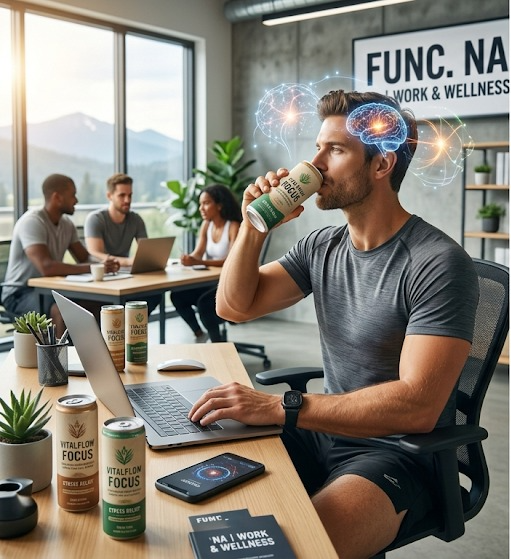
Taste remains essential to the success of functional beverages. Consumers may be interested in wellness benefits, but they still expect enjoyable flavors and attractive products. Beverage brands are therefore experimenting with combinations such as citrus and herbs, berries and botanicals, tropical fruits, and sparkling infusions.
Packaging is evolving as well. Sleek cans, recyclable bottles, and premium designs help functional beverages stand out on retail shelves. Clear labeling that communicates ingredients and product benefits can further strengthen consumer trust.
A Promising Future for the Beverage Industry
The future of functional non-alcoholic beverages appears promising as wellness, convenience, and mindful consumption continue influencing purchasing decisions. Brands that combine credible functionality with great taste, responsible sourcing, and transparent communication are likely to gain attention in this competitive market.
As innovation continues, functional drinks may move beyond being a niche wellness product and become a regular part of everyday beverage choices. The rise of functional non-alcoholic beverages demonstrates how consumer expectations are changing—and how the beverage industry is adapting to deliver products that support modern lifestyles without compromising flavor or social enjoyment.
State Wise Food Culture in India
Worldwide Famous Spices of India
Read Aslo: Recipe Cuisine