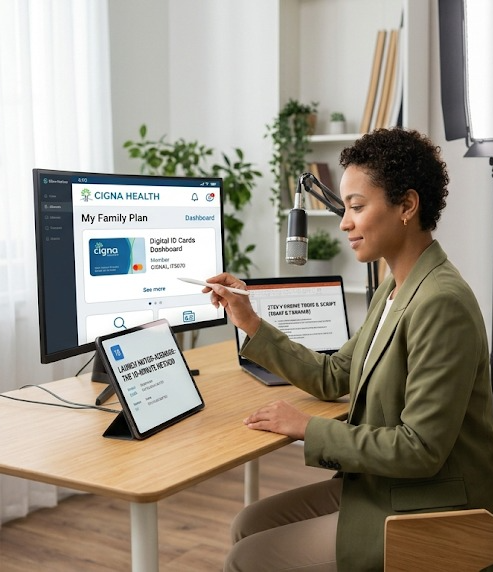

The traditional career ladder has long been presented as the ideal path to professional success: start at an entry-level position, gain experience, earn promotions, and gradually move into management. However, the modern workplace is changing rapidly. More professionals are now opting out of traditional ladders and choosing flexible, skills-based, and purpose-driven career paths that better match their goals and lifestyles.
What Does Opting Out of Traditional Ladders Mean?
Opting out of traditional career ladders does not mean giving up on ambition. Instead, it means redefining what professional growth looks like. Rather than focusing exclusively on promotions and job titles, individuals may prioritize learning, independence, meaningful projects, flexible schedules, entrepreneurship, or specialized expertise.
A professional might move between industries, work as an independent consultant, build a portfolio career, or remain in a non-managerial role while becoming highly skilled in a particular field. Success is no longer limited to reaching a specific position on an organizational chart.
Why Are Professionals Choosing Alternative Career Paths?
Several factors are encouraging people to reconsider conventional career progression. Workplace flexibility has become increasingly important, while remote and hybrid opportunities have made it easier to work with organizations beyond traditional geographic boundaries.
Many employees also recognize that becoming a manager is not necessarily the best way to advance. Management involves responsibilities such as supervising teams, handling conflicts, and making strategic decisions. Some talented professionals would rather deepen their technical or creative expertise than manage others.
Personal priorities also influence career decisions. People may choose roles that provide better work-life balance, opportunities for creativity, or greater control over their schedules.
The Rise of Skills-Based Career Growth
One of the biggest advantages of leaving the traditional ladder behind is the opportunity to focus on skills instead of titles. Technology, communication, problem-solving, leadership, data analysis, design, and other transferable abilities can create opportunities across multiple industries.
A skills-based approach encourages professionals to continually update their knowledge. Online courses, certifications, practical projects, professional communities, and independent learning can all contribute to career development.
Instead of asking, “What position comes next?” individuals can ask, “What skill should I develop next?” Making this easy adjustment can lead to a career plan that is more flexible and robust.
Exploring Portfolio Careers

A portfolio career is another alternative to the traditional career ladder. Rather than relying on a single job, professionals may combine multiple activities, such as freelancing, consulting, teaching, content creation, or running a small business.
This approach can provide variety and allow individuals to develop several income streams. It can also help professionals discover which types of work are most rewarding before committing to a long-term direction.
However, portfolio careers require organization, financial planning, and consistent networking. Building several professional activities at once can be challenging, particularly during the early stages.
Benefits of Choosing Your Own Career Path
Opting out of a traditional ladder can offer greater autonomy and flexibility. Professionals can make decisions based on their personal definition of success rather than automatically following organizational expectations.
Other potential benefits include broader experience, stronger professional networks, greater creative freedom, and opportunities to develop specialized expertise. Changing directions can also help people avoid feeling trapped in a career simply because they have already invested years in it.
Challenges to Consider
Alternative career paths are not without risks. Freelancing and entrepreneurship can involve unpredictable income, while moving between industries may require additional training. Some organizations still emphasize traditional titles when evaluating candidates, which can make unconventional career histories harder to explain.
For this reason, professionals should plan carefully. Building an emergency fund, maintaining a strong portfolio, documenting achievements, and developing valuable skills can make career transitions more manageable.
Creating a Career That Fits Your Goals
Opting out of traditional ladders is ultimately about making intentional career choices. Professionals do not have to reject promotions or conventional employment entirely. Instead, they can decide which opportunities genuinely support their ambitions.
The modern career landscape offers more possibilities than a simple climb from entry-level employee to executive. By focusing on skills, purpose, flexibility, and continuous learning, individuals can create careers that evolve with their changing priorities.
Conclusion: Opting out of traditional ladders is not stepping away from success—it is choosing a different definition of it. In an increasingly flexible professional world, the most rewarding career may be the one you design yourself.
Freelancerson.com a Free Marketplace for Freelancers and Clients
Read Also: Job Seeker Website Portal