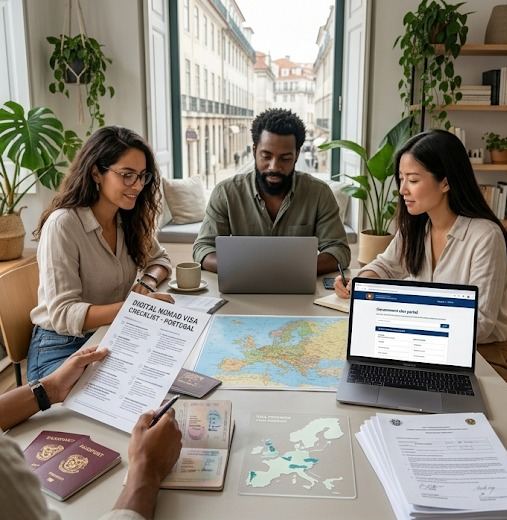
Remote work has changed the way people think about careers, travel, and where they choose to live. For freelancers, entrepreneurs, developers, designers, consultants, and online professionals, digital nomad visas provide an opportunity to work remotely while legally staying in another country for an extended period. However, choosing the right visa requires more than simply selecting an attractive destination. Understanding eligibility, income requirements, taxes, insurance, and local regulations is essential for a smooth experience.
What Is a Digital Nomad Visa?
A digital nomad visa is a special immigration option designed for people who earn their income remotely from companies or clients outside the destination country. Instead of relying on a short tourist stay, eligible remote workers can obtain legal permission to live in a country for a longer period.
The exact rules vary significantly between destinations. For example, Spain’s digital nomad visa allows qualifying remote professionals to work for foreign employers or clients while residing in Spain, subject to specific eligibility and documentation requirements.
Check Your Eligibility First
Before choosing a destination, carefully review its eligibility criteria. Many digital nomad visa programs require applicants to demonstrate stable employment, freelance contracts, business ownership, or a minimum level of income.
Some countries may also ask for professional qualifications or previous work experience. Spain, for instance, requires applicants to have either an appropriate university qualification or at least three years of relevant professional experience.
Creating a personal eligibility checklist can help you avoid applying for a visa that does not match your professional situation.
Understand Income and Financial Requirements
Financial eligibility is one of the most important parts of navigating digital nomad visas. Governments commonly require proof that applicants can support themselves without seeking unauthorized local employment.
Income thresholds differ by country and can change over time. Taiwan, for example, has different financial criteria based partly on the applicant’s age and professional background. Its current program includes annual income requirements for different categories of applicants.
Always verify the latest income threshold through an official government immigration or consular website before submitting an application.
Prepare Your Documents Carefully
A successful digital nomad visa application usually depends on accurate documentation. Depending on the destination, you may need a valid passport, employment contract, freelance agreements, bank statements, proof of income, health insurance, accommodation details, and a criminal-record certificate.
Applicants should also check whether documents need to be translated, notarized, legalized, or apostilled. Keeping digital and physical copies of important paperwork can make the application process easier.
Don’t Ignore Tax Obligations
Getting a digital nomad visa does not automatically mean you are exempt from taxes. Your tax responsibilities can depend on how long you stay, where you are considered a tax resident, where your employer is located, and the rules of your home country.
Before relocating, consider consulting a qualified tax professional who understands international remote work. This can help prevent unexpected tax bills or compliance problems later.
Consider Lifestyle and Work Infrastructure
Visa eligibility is only one part of the decision. A destination should also support your daily work and personal lifestyle. Reliable internet, coworking spaces, transportation, healthcare, accommodation, safety, and living costs can significantly affect your experience.
Think about your preferred climate, time zone, language, community, and access to essential services before making a long-term commitment.
Understand Local Work Restrictions
Digital nomad visas often have specific restrictions regarding local employment. Some programs permit remote work for overseas companies while limiting or prohibiting services provided to domestic businesses.
For example, Spain allows certain self-employed digital nomads to work with Spanish companies, but that work is subject to a specified percentage limit.
Understanding these restrictions is essential for freelancers and business owners.
Plan Beyond the Visa Expiration Date
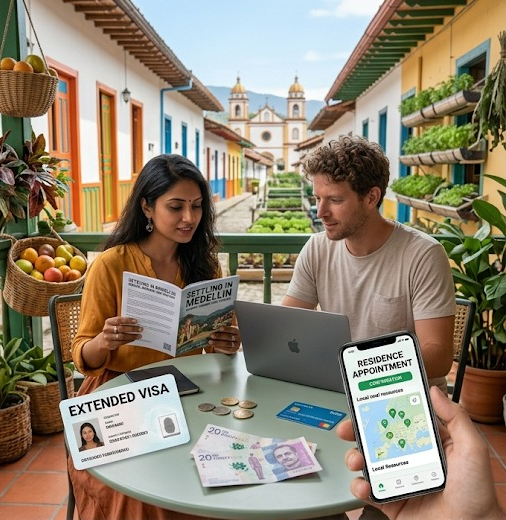
Finally, think about what happens when your visa ends. Some programs are renewable, while others have limited durations or different pathways for extending residency. Taiwan’s program, for example, provides extension possibilities that can allow eligible participants to remain for a longer overall period.
Before moving abroad, create a realistic exit or renewal plan.
Navigating digital nomad visas can open the door to an exciting combination of international travel and remote work. However, successful relocation requires careful research rather than relying solely on social media recommendations or outdated travel blogs. Compare eligibility rules, income requirements, documentation, taxation, work restrictions, healthcare, living costs, and visa duration before choosing a destination.
Most importantly, verify current requirements directly with official immigration authorities because visa policies can change. With thoughtful preparation and proper financial and legal planning, remote professionals can build a flexible lifestyle while remaining compliant with local regulations.
India’s Secret Beaches That Offer Peace and Serenity
Top Beaches in India for Solitude and Spiritual Freedom
Read More: Tours And Travels Website Design