The Maha Kumbh is one of the largest and most sacred religious gatherings in the world. Rooted deeply in Hindu tradition, this grand event attracts millions of devotees, saints, and tourists from across the globe. Held once every 12 years at specific locations, the Maha Kumbh is not just a festival—it is a powerful expression of faith, culture, and unity.
Historical Background of Maha Kumbh
The origins of the Maha Kumbh are linked to ancient Hindu mythology, particularly the story of the “Samudra Manthan” (churning of the ocean). According to legend, drops of the divine nectar (Amrit) fell at four places—Prayagraj, Haridwar, Ujjain, and Nashik—making them sacred. Among these, Prayagraj holds special importance as it is the confluence (Triveni Sangam) of the holy rivers Ganga, Yamuna, and the mythical Saraswati.
Spiritual Importance of the Festival
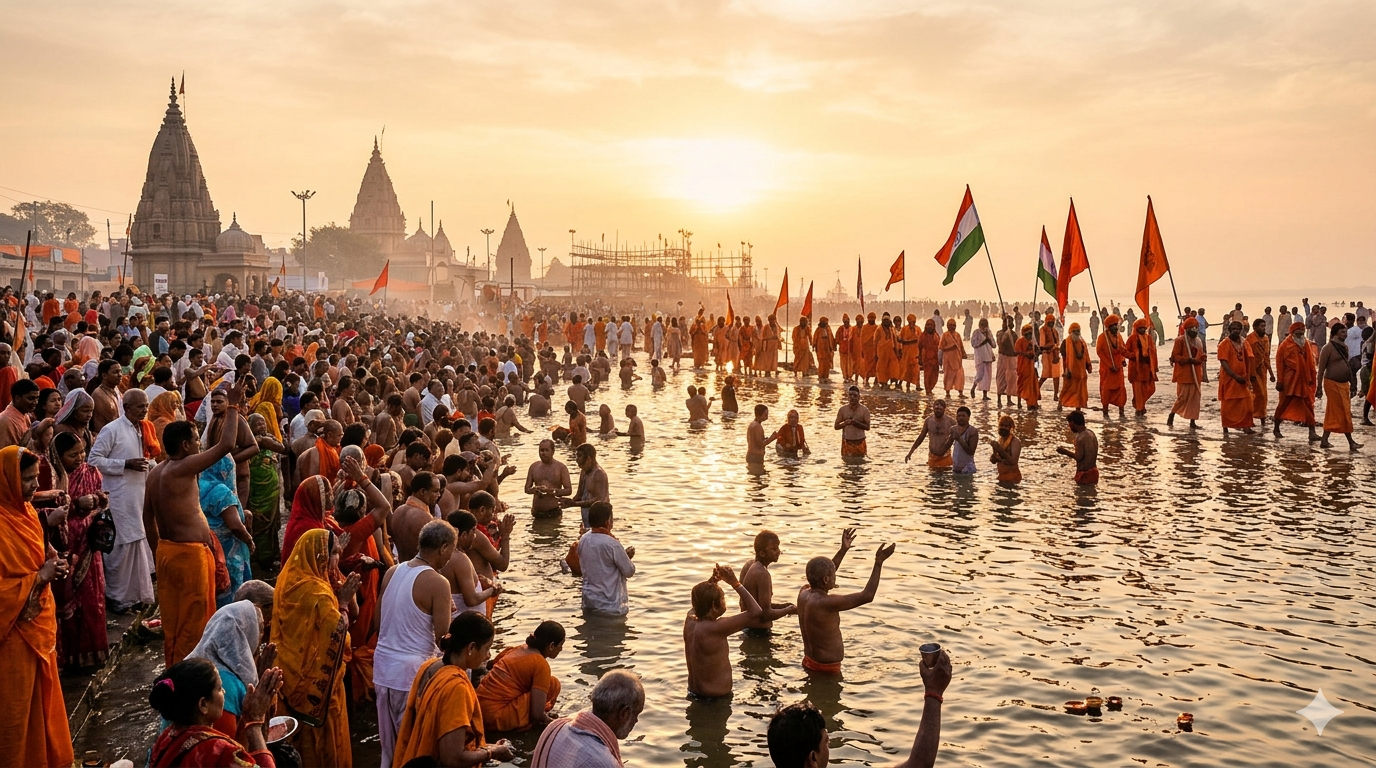
The Maha Kumbh is believed to cleanse one’s sins and lead to spiritual liberation (Moksha). Devotees take ritual baths in the holy rivers, especially during auspicious dates, which are determined by planetary alignments. These sacred dips symbolize purification of the soul and a fresh spiritual beginning.
Saints and sadhus from various sects gather to share spiritual knowledge, perform rituals, and guide devotees. The presence of these spiritual leaders enhances the religious atmosphere, making it a deeply transformative experience.

Cultural Diversity and Unity
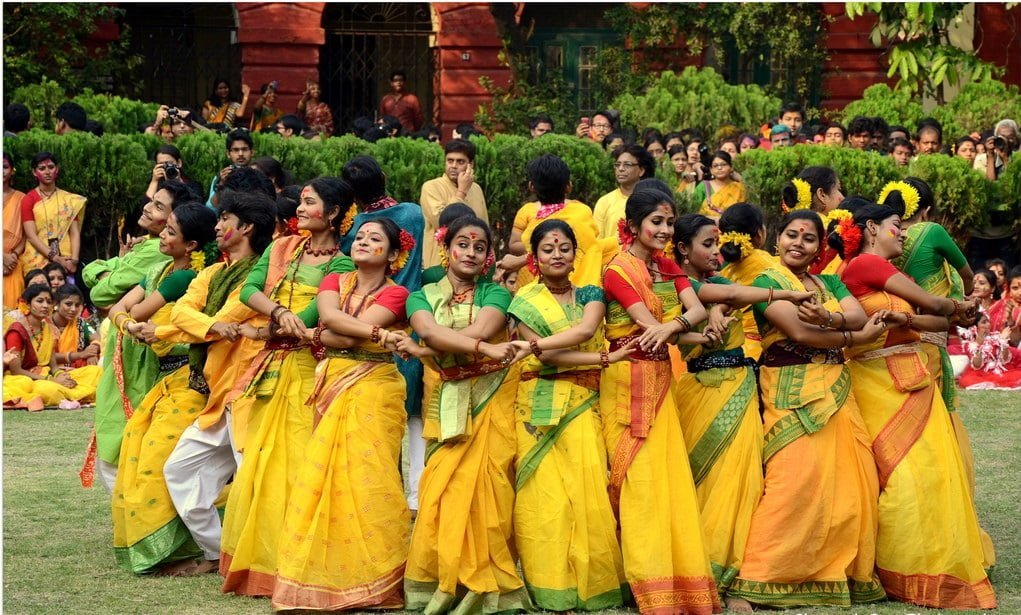
One of the most remarkable aspects of the Maha Kumbh is its cultural diversity. People from various linguistic, geographical, and cultural backgrounds are brought together by their common religion. The event showcases India’s rich traditions, including folk music, dance, art, and local cuisines.
Temporary tent cities are set up to accommodate millions of visitors, creating a unique blend of spirituality and social interaction. Despite the massive crowd, there is a sense of harmony and collective participation, reflecting the true spirit of unity in diversity.
Role of Akharas and Saints
Akharas, which are monastic orders of saints, play a central role in the Maha Kumbh. They lead the grand processions known as “Shahi Snan” (royal bath), which are among the most anticipated events of the festival. These processions are vibrant, filled with chants, music, and traditional displays.
The saints, especially Naga sadhus, are key attractions. Their austere lifestyle and deep spiritual practices draw curiosity and reverence from devotees and visitors alike.
Economic and Social Impact
The Maha Kumbh significantly boosts the local economy by generating employment and supporting businesses such as tourism, transportation, and handicrafts. It also promotes cultural exchange and global recognition of India’s spiritual heritage.
Government and local authorities work extensively to manage logistics, safety, sanitation, and infrastructure. The event has become a model for large-scale event management worldwide.
Environmental Awareness and Sustainability
In recent years, there has been a strong emphasis on maintaining cleanliness and protecting the rivers during the Maha Kumbh. Initiatives like waste management, eco-friendly materials, and awareness campaigns have been introduced to minimize environmental impact.
These efforts reflect a growing understanding of the need to balance tradition with sustainability.
The Maha Kumbh is more than a religious festival—it is a living embodiment of India’s spiritual depth, cultural richness, and social unity. From sacred rituals to vibrant cultural displays, it offers a unique experience that transcends boundaries.
For devotees, it is a path to spiritual awakening. For visitors, it is an opportunity to witness one of the greatest human gatherings on Earth. The cultural significance of the Maha Kumbh continues to inspire generations, keeping ancient traditions alive in a modern world.
State Wise Food Culture in India