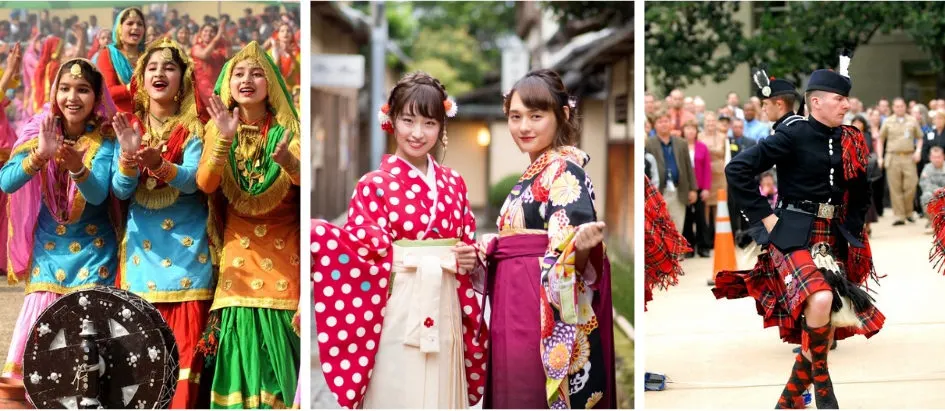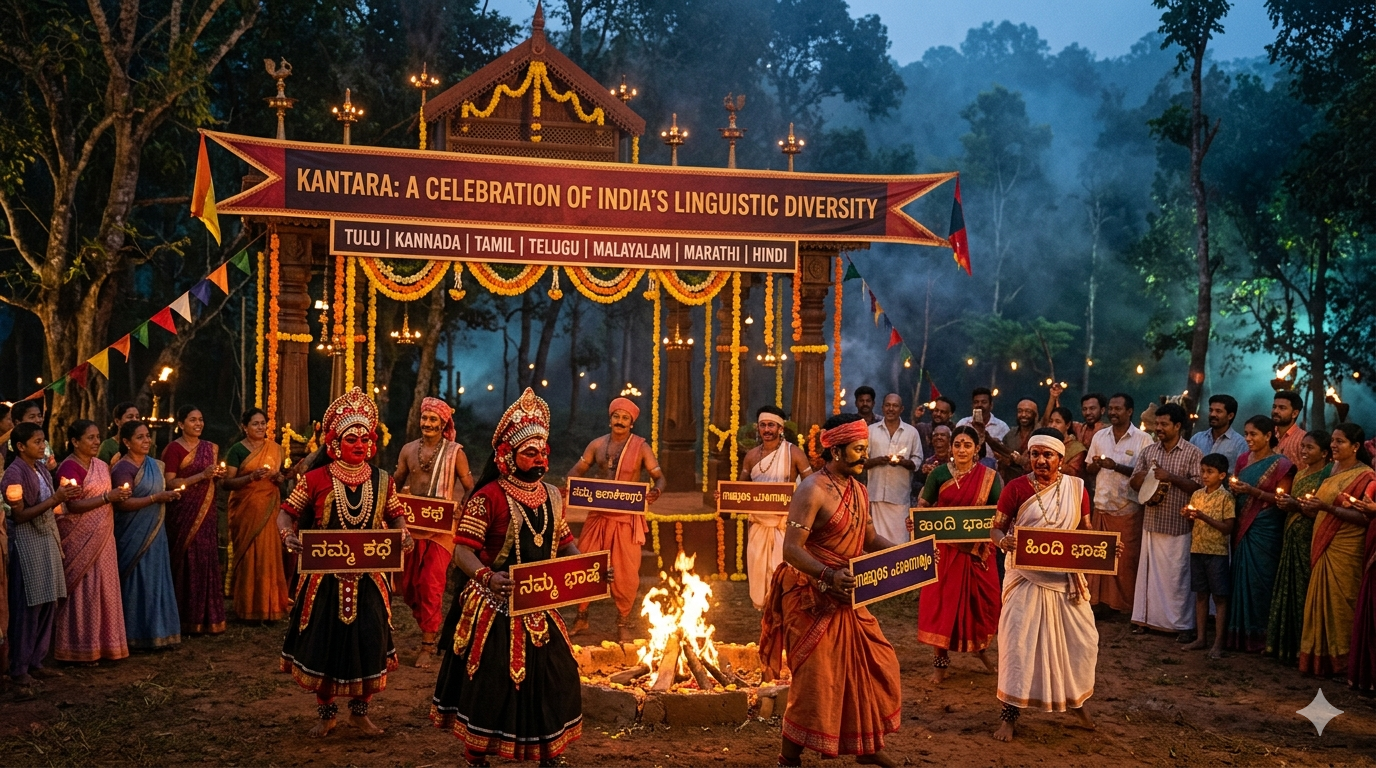
India is a land of incredible cultural and linguistic richness, where every region carries its own unique identity. The film Kantara beautifully captures this diversity while highlighting the deep connection between language, tradition, and storytelling. More than just a cinematic experience, Kantara stands as a powerful example of how regional cinema can resonate with audiences across the country and beyond.
The Power of Regional Storytelling
One of the strongest aspects of Kantara is its rootedness in local culture. Originally made in the Kannada language, the film showcases how stories told in regional languages can carry universal appeal. Language is not just a medium of communication in the film—it becomes a character in itself, reflecting the traditions, beliefs, and emotions of the people.
In a country like India, where there are over 19,500 languages and dialects spoken, films like Kantara play a vital role in preserving and promoting linguistic heritage. They remind audiences that powerful narratives do not need to rely on mainstream languages to succeed.
Authenticity Through Language and Culture
Kantara stands out because of its authenticity. The use of the Kannada language, combined with local folklore and rituals, creates a deeply immersive experience. The film draws inspiration from traditional practices like Bhoota Kola, a ritualistic dance form from coastal Karnataka, bringing regional culture to a global platform.
This authentic representation allows viewers from different linguistic backgrounds to appreciate the richness of Indian traditions. Subtitles and dubbed versions further bridge the gap, making the story accessible without losing its original essence.
Breaking Barriers in Indian Cinema
Historically, Indian cinema has been dominated by a few major industries. However, films like Kantara prove that regional cinema has the potential to achieve nationwide success. Its popularity across multiple languages demonstrates that audiences are increasingly open to diverse storytelling.
The success of Kantara also highlights a shift in audience preferences. Viewers today value content that is meaningful, culturally rich, and emotionally engaging. Language is no longer seen as a barrier but as a gateway to new experiences.
A Boost for Linguistic Pride
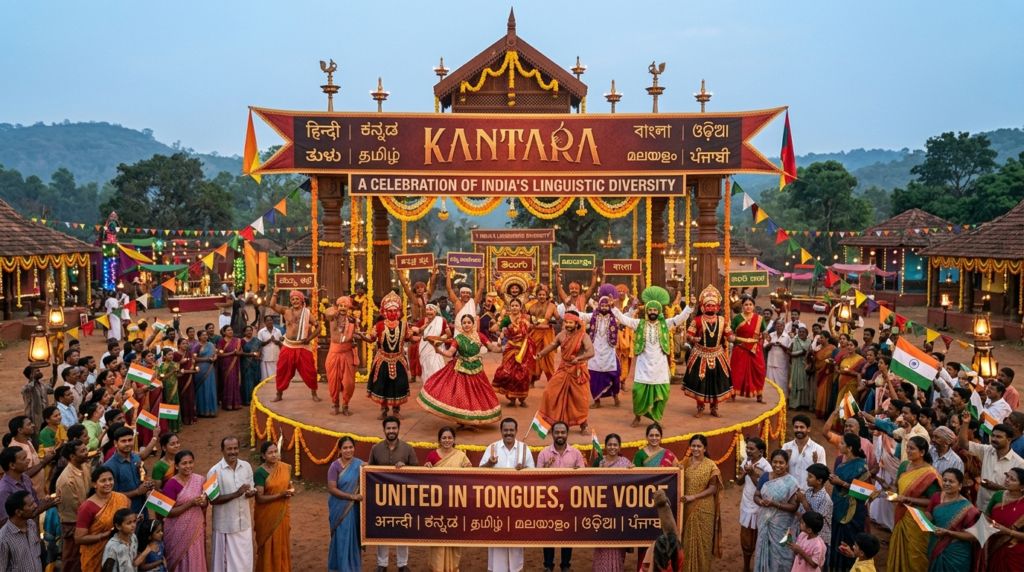
Another important impact of Kantara is the sense of pride it instills among speakers of regional languages. When a film rooted in local culture gains national and international recognition, it encourages communities to celebrate their linguistic identity.
This recognition is crucial in a globalized world where smaller languages often face the risk of fading away. Cinema, as a powerful medium, can help keep these languages alive by making them relevant and celebrated.
The Role of Technology and Accessibility
Modern technology has played a significant role in amplifying the reach of films like Kantara. With the rise of streaming platforms and digital distribution, regional films can now reach audiences far beyond their original geographic boundaries.
Dubbing and subtitles have made it easier for viewers to enjoy films in different languages without losing the core message. This has opened the door for greater cultural exchange and understanding, strengthening India’s unity in diversity.
Kantara is more than just a film—it is A celebration of India’s linguistic diversity and cultural diversity. By embracing its regional roots, it proves that authenticity and storytelling can transcend language barriers. The film serves as a reminder that every language carries a story worth telling and preserving.
As Indian cinema continues to evolve, movies like Kantara will play a crucial role in shaping a more inclusive and diverse entertainment landscape. They not only entertain but also educate and inspire, making audiences appreciate the beauty of India’s many voices.
State Wise Food Culture in India