Stress has become a common part of modern life. Whether it comes from work responsibilities, financial concerns, family obligations, or personal challenges, prolonged stress can negatively affect both physical and mental health. Fortunately, there are many natural ways to manage stress without relying on medication. By adopting healthy habits and making simple lifestyle changes, you can improve your overall well-being and enjoy a calmer, more balanced life.
Understand the Causes of Stress
The first step in reducing stress naturally is identifying its root cause. Stress can arise from various situations, including workplace pressure, relationship issues, lack of sleep, or poor time management. Understanding what triggers your stress allows you to develop effective coping strategies and prevent overwhelming situations before they occur.
Keeping a journal can help you track stressful events and recognize patterns. Once you know your triggers, you can work toward minimizing their impact on your daily life.
Practice Regular Physical Activity
Exercise is one of the most effective natural stress relievers. Physical activity stimulates the production of endorphins, often called “feel-good hormones,” which help improve mood and reduce anxiety.
You don’t need an intense workout routine to experience the benefits. Activities such as walking, jogging, cycling, swimming, or yoga can significantly reduce stress levels. Even 30 minutes of moderate exercise most days of the week can improve mental clarity and emotional resilience.
Prioritize Quality Sleep
Lack of sleep and stress often create a vicious cycle. Stress can make it difficult to sleep, while insufficient sleep can increase feelings of stress and anxiety.
To improve sleep quality, establish a consistent bedtime routine. Avoid using electronic devices before bed, limit caffeine intake in the evening, and create a comfortable sleeping environment. Aim for seven to nine hours of quality sleep each night to support both physical and mental health.

Maintain a Healthy Diet
Nutrition plays a vital role in stress management. A balanced diet provides the nutrients your body needs to function properly and cope with daily challenges.
Focus on consuming fresh fruits, vegetables, whole grains, lean proteins, and healthy fats. Foods rich in omega-3 fatty acids, such as fish and walnuts, may help reduce stress-related symptoms. Staying hydrated is equally important, as dehydration can contribute to fatigue and irritability.
Reducing processed foods, excessive sugar, and caffeine can also help stabilize mood and energy levels.
Practice Mindfulness and Meditation
Mindfulness and meditation are powerful techniques for reducing stress naturally. These practices encourage you to focus on the present moment rather than worrying about the past or future.
Even a few minutes of deep breathing or meditation each day can lower stress hormones and promote relaxation. Guided meditation apps, breathing exercises, and mindfulness practices can help beginners develop a consistent routine.
Over time, these techniques can improve emotional control and enhance overall mental well-being.
Spend Time in Nature
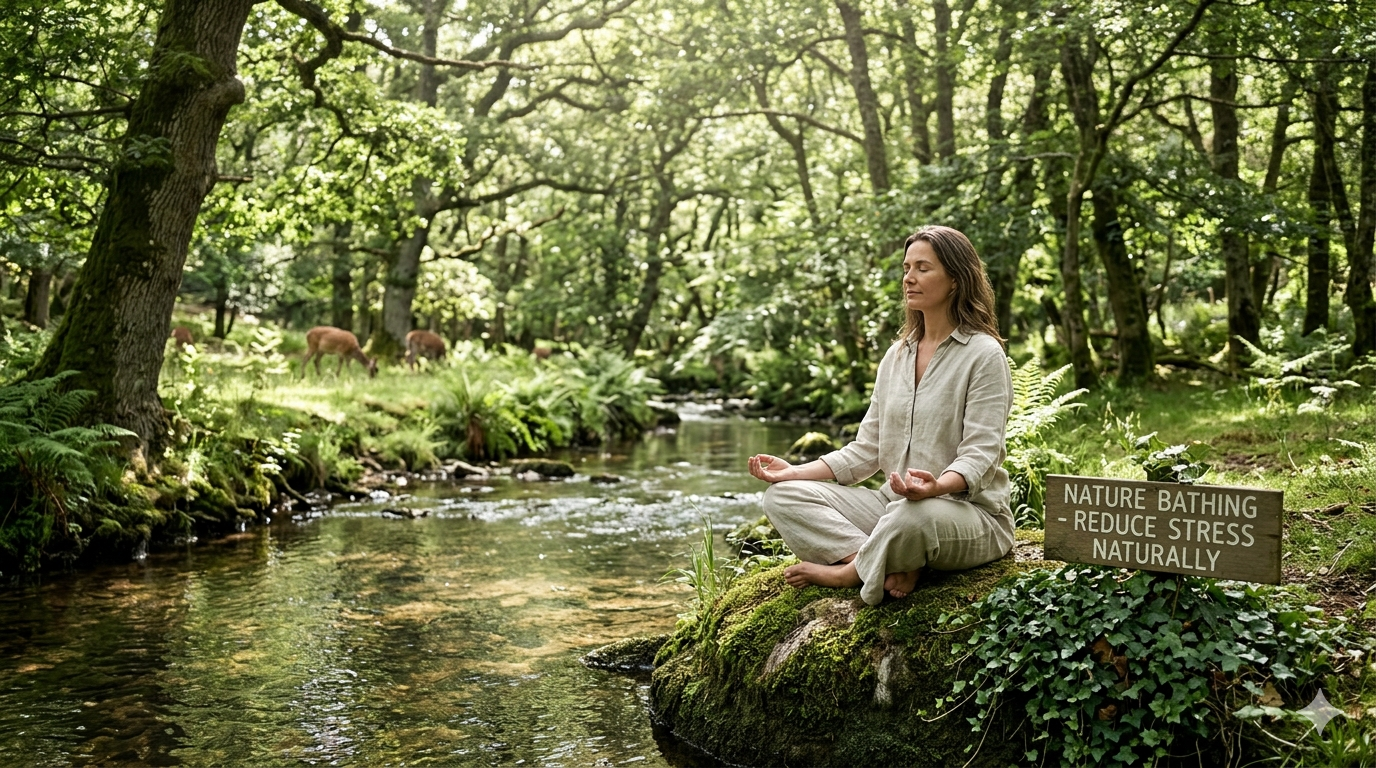
Nature has a calming effect on the mind and body. Spending time outdoors can reduce stress, improve mood, and increase feelings of happiness.
Whether it’s a walk in the park, gardening, hiking, or simply sitting in a green space, connecting with nature provides a natural way to relax and recharge. Exposure to sunlight can also boost vitamin D levels, which may contribute to better mental health.
Build Strong Social Connections
Supportive relationships play an essential role in managing stress. Talking to friends, family members, or trusted colleagues can provide emotional support and valuable perspective during challenging times.
Make time for meaningful conversations and social activities. Sharing your thoughts and feelings with others can reduce emotional burdens and help you feel less isolated.
Learning how to reduce stress naturally can significantly improve your quality of life. Regular exercise, healthy eating, quality sleep, mindfulness practices, time in nature, and strong social connections are all effective ways to manage stress without medication. By incorporating these habits into your daily routine, you can develop greater resilience, enhance mental well-being, and enjoy a healthier, more balanced lifestyle.
Liver Cancer Symptoms Cause and Remedy
Read Also: Medical Website Design