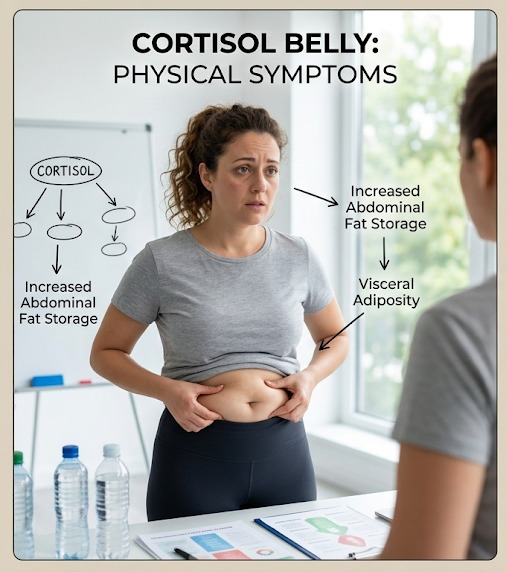

Menopause is a natural stage of life, but many women notice an increase in belly fat during this transition. Even if your diet and exercise routine have not changed, hormonal shifts can make it more challenging to maintain a healthy waistline. The good news is that you can lose stubborn menopause belly fat with the right combination of nutrition, exercise, stress management, and healthy lifestyle habits.
In this guide, we’ll explain why menopause belly fat develops and the most effective ways to reduce it naturally.
Why Does Menopause Cause Belly Fat?
One of the biggest reasons women gain weight during menopause is the decline in estrogen levels. Lower estrogen encourages the body to store more fat around the abdomen instead of the hips and thighs. At the same time, aging naturally slows metabolism, making it easier to gain weight and harder to lose it.
Other contributing factors include reduced muscle mass, poor sleep, chronic stress, insulin resistance, and decreased physical activity. Together, these changes can make stubborn menopause belly fat difficult to eliminate without targeted lifestyle adjustments.
Eat More Protein to Support Fat Loss
Protein plays an essential role in preserving lean muscle mass during menopause. Since muscle burns more calories than fat, maintaining muscle helps boost your metabolism.
Include high-quality protein sources in every meal, such as:
- Eggs
- Fish
- Chicken breast
- Greek yogurt
- Lentils and beans
- Tofu
- Cottage cheese
Protein also keeps you feeling full for longer, reducing unhealthy snacking throughout the day.
Focus on Whole, Nutrient-Dense Foods
Highly processed foods, sugary snacks, and refined carbohydrates can contribute to weight gain and increased belly fat. Instead, build your meals around whole foods that provide lasting energy and important nutrients.
Choose foods like:
- Fresh vegetables
- Fruits
- Whole grains
- Healthy fats from nuts, seeds, and avocados
- Lean proteins
- Legumes
Fiber-rich foods improve digestion, stabilize blood sugar, and help control appetite, making them valuable for menopause weight management.

Strength Training is Essential
Many women rely only on cardio when trying to lose weight, but strength training becomes even more important after menopause.
Resistance exercises help build muscle, increase calorie burning, and improve body composition. Aim for at least two or three strength-training sessions each week using dumbbells, resistance bands, or bodyweight exercises like squats, push-ups, and lunges.
Combining strength training with regular walking or cycling provides even better results for reducing abdominal fat.
Prioritize Quality Sleep
Hormones that control metabolism and hunger are impacted by inadequate sleep. Women experiencing menopause often struggle with hot flashes and night sweats, which can interfere with restful sleep.
Create healthy sleep habits by:
- Maintaining a consistent bedtime
- Limiting caffeine in the evening
- Keeping your bedroom cool and dark
- Avoiding screens before bedtime
Getting seven to nine hours of quality sleep each night supports healthy weight loss and overall well-being.
Manage Stress Levels
A hormone linked to higher belly fat storage, cortisol, is elevated by chronic stress. Finding healthy ways to manage stress can improve both physical and mental health.
Effective stress-reduction techniques include:
- Yoga
- Meditation
- Deep breathing exercises
- Walking outdoors
- Reading
- Spending time with family and friends
Even ten minutes of relaxation daily can make a noticeable difference.
Stay Physically Active Every Day
Daily movement is just as important as structured workouts. Simple activities like walking, gardening, climbing stairs, or stretching throughout the day increase calorie expenditure and improve heart health.
Aim for at least 150 minutes of moderate physical activity each week, along with muscle-strengthening exercises for optimal results.
Drink Plenty of Water
Digestion, metabolism, and appetite management are all supported by appropriate hydration. Sometimes thirst is mistaken for hunger, leading to unnecessary calorie intake.
Drinking water before meals may help you feel fuller and avoid eating too much. Herbal teas and infused water are also healthy choices for staying hydrated.
Be Patient and Stay Consistent
Losing stubborn menopause belly fat takes time. Quick-fix diets rarely provide lasting results and often lead to muscle loss instead of fat loss. Focus on building sustainable habits rather than chasing rapid weight loss.
Small daily improvements in nutrition, exercise, sleep, and stress management create lasting changes over time.
Learning how to lose stubborn menopause belly fat starts with understanding the hormonal changes that occur during menopause. These adjustments, while making weight reduction more challenging, don’t rule out the possibility entirely. By eating a balanced diet rich in protein and fiber, performing regular strength training, staying active, managing stress, sleeping well, and maintaining consistency, you can reduce abdominal fat and improve your overall health.
Instead of focusing only on the number on the scale, celebrate improvements in strength, energy, confidence, and overall wellness. With patience and healthy habits, achieving a healthier body during menopause is entirely possible.
Liver Cancer Symptoms Cause and Remedy
Read Also: Medical Website Design