Healthy relationships are built on love, trust, and understanding. However, no two people are exactly alike, which means disagreements are inevitable. Learning how to compromise in a relationship without losing yourself is one of the most valuable skills couples can develop. Compromise should strengthen your bond, not force you to sacrifice your identity, dreams, or values.
In this guide, you’ll discover practical ways to find balance, maintain self-respect, and build a healthier, more fulfilling relationship.
What Does Compromise in a Relationship Mean?
Compromise is the process of finding a solution where both partners make reasonable adjustments to meet each other’s needs. It is not about one person constantly giving in or ignoring their own happiness.
A healthy compromise allows both individuals to feel respected, heard, and appreciated. Instead of “winning” an argument, the goal is creating a solution that benefits the relationship.
Why Healthy Compromise Is Important
Relationships thrive when both partners are willing to work together. Healthy compromise helps:
- Improve communication
- Reduce unnecessary conflicts
- Build trust and respect
- Strengthen emotional intimacy
- Create long-term relationship stability
When compromise becomes one-sided, resentment often develops, making it difficult for love to grow.
Know Your Core Values
Before making compromises, understand what matters most to you.
Ask yourself:
- What are my personal goals?
- Which values are non-negotiable?
- What makes me feel respected?
- What boundaries do I need?
Knowing your priorities helps you distinguish between small sacrifices and major compromises that could negatively affect your well-being.

Learn the Difference Between Flexibility and Self-Sacrifice
Being flexible is healthy. Losing yourself is not.
Healthy flexibility includes:
- Trying your partner’s hobbies
- Adjusting schedules occasionally
- Being open to different opinions
Unhealthy self-sacrifice includes:
- Giving up your career goals
- Ignoring your mental health
- Accepting disrespectful behavior
- Constantly suppressing your feelings
A relationship should support your growth rather than limit it.
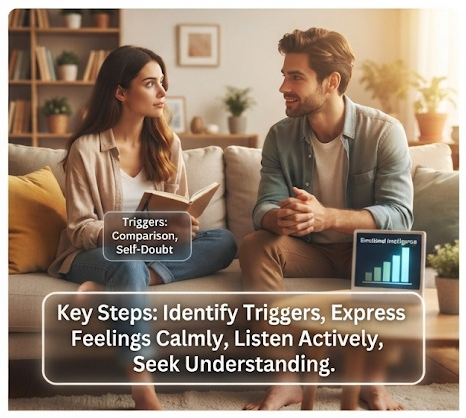
Communicate Honestly and Respectfully
Open communication is essential when finding compromises.
Instead of blaming your partner, use “I” statements.
For example:
- “I feel overwhelmed when our plans change at the last minute.”
- “I’d like us to find a schedule that works for both of us.”
Honest conversations create understanding instead of defensiveness.
Set Healthy Boundaries
Boundaries protect your emotional well-being while strengthening your relationship.
Examples include:
- Respecting personal space
- Maintaining friendships
- Having individual hobbies
- Protecting work-life balance
- Communicating personal limits
Healthy boundaries are not walls—they are guidelines that promote mutual respect.
Don’t Say Yes to Everything
Many people believe saying yes constantly proves love. In reality, always agreeing can lead to emotional exhaustion.
It’s perfectly okay to say:
- “I’m not comfortable with that.”
- “Can we find another solution?”
- “I need some time to think.”
Respectful disagreement is healthier than silent resentment.
Practice Active Listening
Compromise isn’t only about expressing your needs—it’s also about understanding your partner’s perspective.
Practice active listening by:
- Maintaining eye contact
- Avoiding interruptions
- Asking thoughtful questions
- Repeating key points for clarity
When both partners feel heard, finding common ground becomes much easier.
Maintain Your Individual Identity
One of the biggest relationship mistakes is losing your individuality.
Continue investing in:
- Personal interests
- Friendships
- Career ambitions
- Physical health
- Self-care routines
Strong relationships consist of two complete individuals who choose to grow together—not two people who lose themselves.
Choose Your Battles Wisely
Not every disagreement deserves a lengthy argument.
Ask yourself:
- Will this matter next month?
- Is this issue worth damaging our peace?
- Can we both adjust slightly?
Saving your energy for meaningful issues helps maintain relationship harmony.
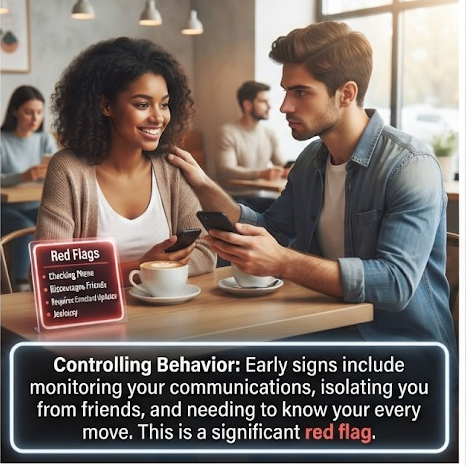
Recognize Unhealthy Patterns
Sometimes compromise turns into emotional imbalance.
Warning signs include:
- You always apologize
- Your opinions are ignored
- You constantly feel guilty
- Your needs are never considered
- Your confidence keeps decreasing
Healthy relationships require equal effort from both partners.
Build Solutions Together
Instead of focusing on who’s right, focus on solving the problem together.
For example:
If one partner loves traveling while the other prefers staying home, plan a few trips each year while also enjoying relaxing weekends together.
This approach ensures both people feel valued.
Keep Checking In
Connections change as time passes, and so do personal requirements.
Schedule regular conversations about:
- Emotional well-being
- Future goals
- Relationship satisfaction
- Personal growth
Frequent check-ins prevent misunderstandings from becoming larger problems.
Knowing how to make concessions in a relationship without sacrificing your identity involves finding a middle ground between affection and self-esteem. Healthy compromise never requires abandoning your identity, values, or dreams. Instead, it encourages teamwork, mutual understanding, and emotional growth.
By communicating honestly, setting clear boundaries, maintaining your individuality, and respecting each other’s needs, you can build a relationship where both partners feel supported and appreciated. The strongest relationships aren’t built on perfection—they’re built on two people who choose to work together while remaining true to themselves.
Private Places for Couples in Kolkata
Read Also: Adult Toys Website Design