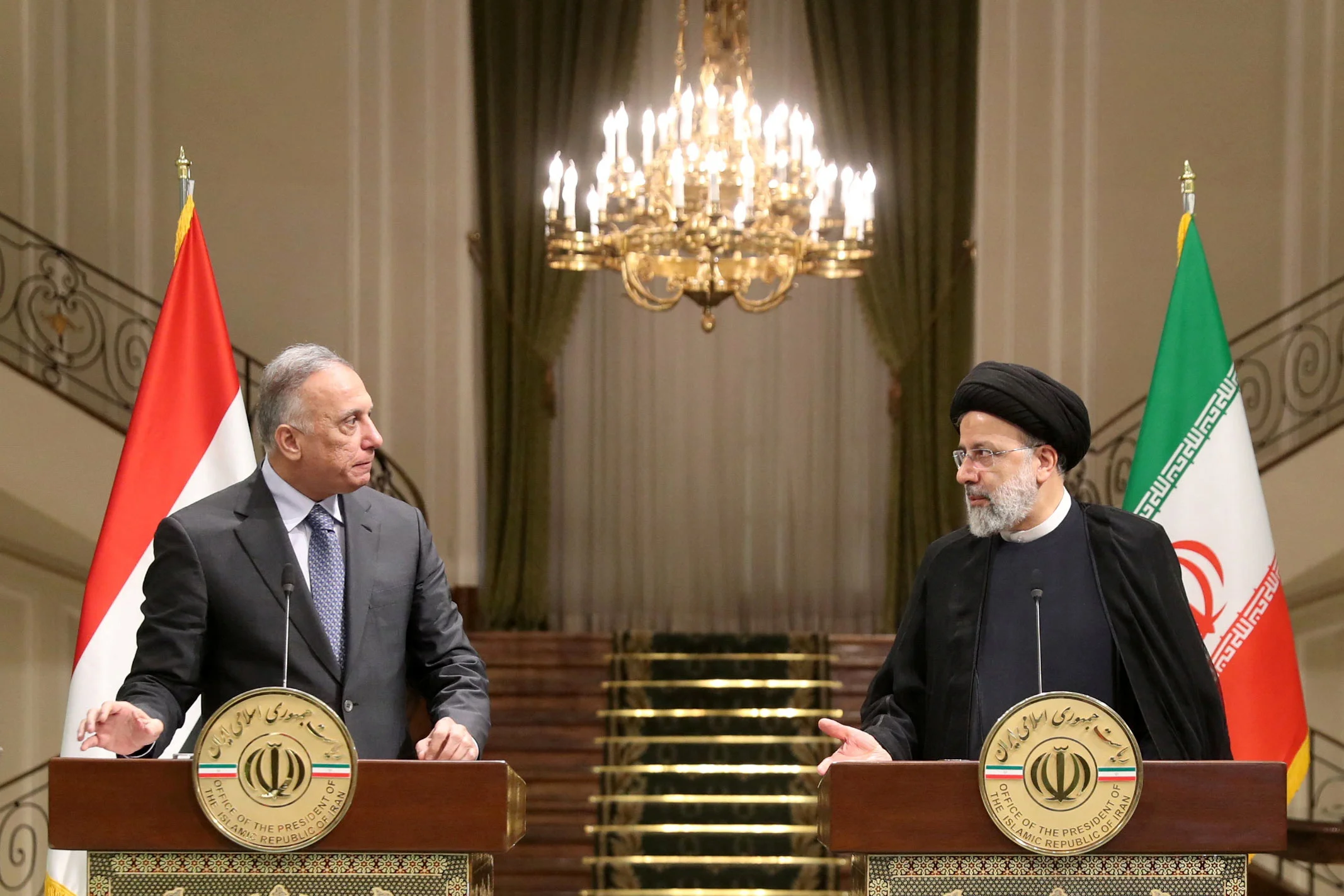
The relationship between Iran and Iraq has been complex and dynamic for centuries. These two neighboring countries share a long border, deep historical ties, and strong cultural and religious connections. However, their relationship has also been marked by conflicts, political rivalries, and shifting alliances. Today, Iran–Iraq relations include cooperation in trade, politics, and security, making their partnership important for stability in the Middle East.
Historical Background of Iran–Iraq Relations
The history of relations between Iran and Iraq dates back to ancient times when the Persian and Mesopotamian civilizations interacted through trade, culture, and warfare. Over centuries, control over the region shifted between different empires, including the Persian and Ottoman empires.
One of the most significant disputes between the two countries involved the Shatt al-Arab waterway, which is crucial for oil exports and trade routes. Territorial disagreements over this river led to several conflicts and diplomatic negotiations between Iran and Iraq.
In 1975, both countries signed the Algiers Agreement 1975, which temporarily settled their border disputes and normalized relations. However, tensions soon resurfaced due to political changes in the region.
The Iran–Iraq War and Its Impact
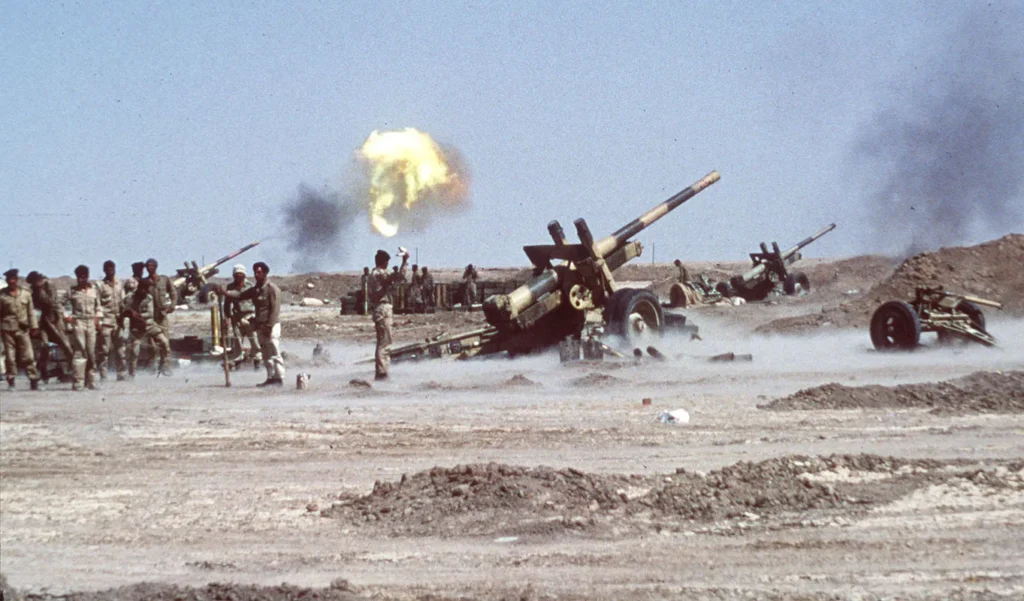
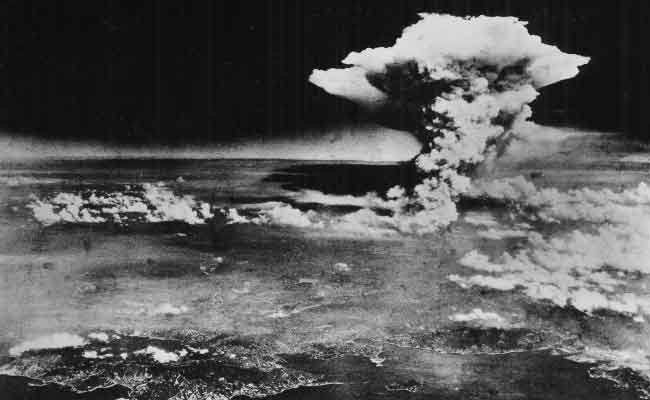
The most dramatic event affecting Iran–Iraq relations was the Iran–Iraq War from 1980 to 1988. The war began when Iraq invaded Iran, partly due to border disputes and political instability in Iran after the 1979 revolution.
This conflict became one of the longest and deadliest wars of the twentieth century. It caused massive destruction, economic damage, and more than one million casualties.
During the war, both countries suffered heavy losses, and the conflict included intense battles, missile attacks, and even chemical warfare. Eventually, the war ended with a United Nations–brokered ceasefire in 1988, and both nations returned to the earlier border arrangements.
Although the war ended decades ago, its consequences still influence the political relationship between Iran and Iraq today.
Religious and Cultural Connections
Despite political conflicts, Iran and Iraq share strong cultural and religious ties. Both countries have significant populations of Shia Muslims, and many important religious sites are located in Iraq.
Cities such as Najaf and Karbala are among the holiest places for Shia Muslims, attracting millions of Iranian pilgrims every year. These religious connections help strengthen people-to-people relations between the two nations.
Additionally, trade, tourism, and cultural exchange have increased significantly over the past decade, improving cooperation between the two governments.
Modern Political and Economic Relations
In recent years, relations between Iran and Iraq have improved considerably. After political changes in Iraq in the early 2000s, Iran became one of Iraq’s key regional partners.
The two countries cooperate in several areas, including:
- Trade and economic partnerships
- Energy cooperation
- Border security
- Religious tourism
Iran exports electricity and natural gas to Iraq, helping the country meet its energy demands. These economic ties play an important role in strengthening bilateral relations.
However, the relationship also faces challenges. Regional politics, international sanctions on Iran, and the influence of global powers in the Middle East often affect the dynamics between the two countries.
Challenges and Future Prospects
While Iran and Iraq currently maintain relatively cooperative relations, several issues still influence their partnership. Political instability, regional conflicts, and external influences can create tensions.
At the same time, both nations recognize the importance of maintaining peaceful relations due to their shared border, economic interests, and religious connections.
Looking ahead, stronger trade cooperation, diplomatic engagement, and cultural exchange could further improve relations between Iran and Iraq and contribute to regional stability.
The relationship between Iran and Iraq is a mixture of rivalry, cooperation, and historical complexity. From territorial disputes and the devastating Iran–Iraq War to modern economic partnerships and religious ties, the two countries have experienced many changes in their relationship.
Today, Iran and Iraq continue to develop diplomatic and economic connections while addressing historical challenges. Their future relationship will likely play a significant role in shaping political and economic stability across the Middle East.
Read Also: Social Network Website Design