In today’s digital world, entertainment is no longer a one-size-fits-all experience. Whether you’re watching movies, listening to music, reading articles, or scrolling through short videos, algorithms are constantly working behind the scenes to personalize what you see. These intelligent systems analyze your preferences, habits, and interactions to recommend content that matches your interests. Understanding how algorithms shape personal entertainment taste can help you make more informed choices while enjoying a customized digital experience.
What Are Entertainment Algorithms?
Entertainment algorithms are computer programs designed to analyze user behavior and predict the type of content someone is most likely to enjoy. They collect information such as your watch history, search queries, likes, shares, comments, and the amount of time you spend on specific content.
Streaming services, social media platforms, music apps, and online gaming services use these algorithms to improve user engagement. Instead of showing random content, they present personalized recommendations based on your unique preferences.
How Algorithms Learn Your Preferences
Every interaction you make online becomes valuable data. When you skip a song, binge-watch a television series, or repeatedly search for a specific genre, the algorithm records these actions.
Some common factors algorithms analyze include:
- Viewing history
- Search behavior
- Time spent on content
- Favorite genres
- User ratings
- Device usage
- Location and language preferences
Over time, these patterns allow algorithms to build a detailed profile of your entertainment interests, making recommendations increasingly accurate.
Personalized Recommendations Improve User Experience
One of the biggest advantages of recommendation algorithms is convenience. Instead of spending hours searching for something interesting, users receive suggestions tailored to their tastes.
For example:
- Movie streaming platforms recommend films similar to those you’ve watched.
- Music services generate playlists based on your listening habits.
- Video platforms suggest creators whose content matches your interests.
- Reading platforms recommend books and articles related to topics you enjoy.
This personalization saves time and increases satisfaction because users are more likely to discover content they genuinely appreciate.
The Psychology Behind Algorithmic Recommendations
Algorithms don’t simply analyze data—they also rely on behavioral psychology. Human beings naturally prefer familiar experiences while remaining curious about discovering something new.
Recommendation systems balance these two desires by mixing familiar content with fresh suggestions. This strategy keeps users engaged while gradually introducing new genres, artists, creators, or entertainment styles.
For instance, someone who frequently watches science fiction movies may begin receiving recommendations for futuristic thrillers or fantasy adventures with similar storytelling elements.
How Social Media Influences Entertainment Choices
Social media algorithms have become powerful trendsetters. Viral videos, popular challenges, and trending creators often reach millions of users within hours.
These platforms prioritize content based on engagement signals such as:
- Likes
- Comments
- Shares
- Watch time
- Saves
- Follower interaction
As more people engage with specific content, algorithms push it to even larger audiences. This creates entertainment trends that can quickly influence personal preferences across different age groups and cultures.

The Benefits of Algorithm-Driven Entertainment
Personalized algorithms offer several advantages beyond convenience.
Better Content Discovery
Users can easily find movies, music, podcasts, games, and creators they might never have discovered through traditional browsing.
Increased User Satisfaction
Relevant recommendations reduce frustration and make entertainment platforms more enjoyable.
Support for Independent Creators
Many talented creators gain visibility because algorithms recommend their content to audiences with matching interests, even without large marketing budgets.
Continuous Learning
Recommendation systems evolve as your preferences change, ensuring suggestions remain relevant over time.
Potential Drawbacks of Personalized Algorithms
Although personalization offers many benefits, it also comes with certain challenges.
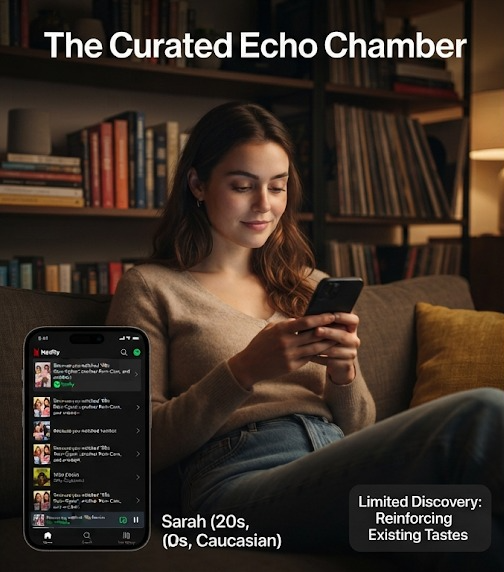
Filter Bubbles
Algorithms may repeatedly recommend similar content, limiting exposure to different viewpoints, genres, or creative styles.
Reduced Variety
Over-personalization can make entertainment feel repetitive if users rarely receive unexpected recommendations.
Privacy Concerns
Since algorithms rely on collecting user data, many people worry about how platforms store, analyze, and use their personal information.
Being aware of these issues allows users to enjoy personalized entertainment while maintaining healthy digital habits.
How to Take Control of Your Entertainment Feed
You don’t have to let algorithms completely decide your entertainment choices. There are several ways to maintain a balanced experience:
- Explore different genres regularly.
- Search for new creators outside your recommendations.
- Clear your viewing or listening history occasionally.
- Follow diverse accounts and channels.
- Give feedback by liking or disliking recommendations.
These actions help algorithms better understand your evolving interests while introducing greater variety into your entertainment experience.
The Future of Personalized Entertainment
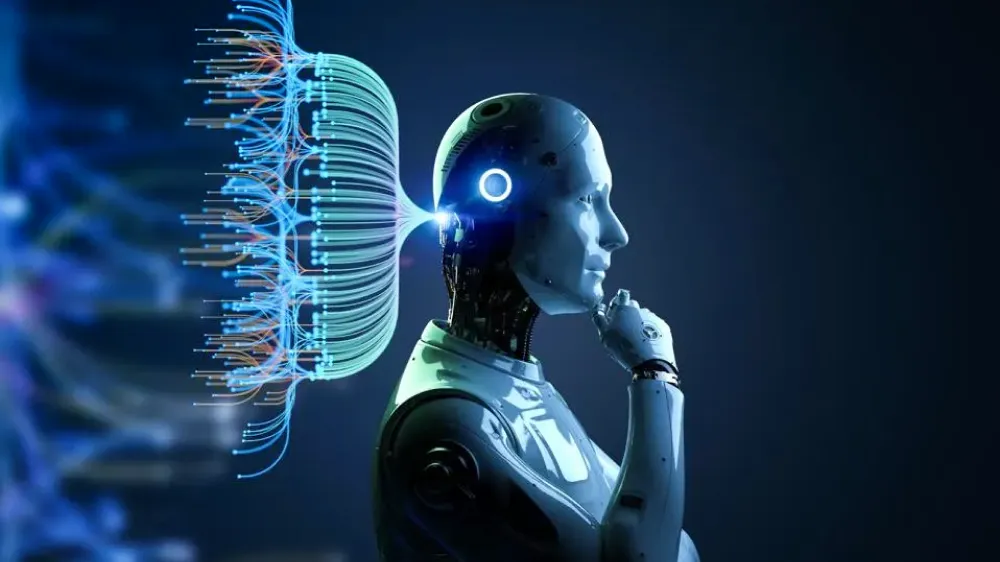
Artificial intelligence continues to improve recommendation systems every year. Future algorithms may understand emotions, moods, and real-time preferences more accurately than ever before.
Instead of simply recommending popular content, next-generation AI could suggest entertainment based on your current mood, daily routine, or even personal goals. As technology advances, personalization will become even more intelligent while raising important discussions about privacy, transparency, and user control.
Algorithms have transformed the way people discover and enjoy entertainment. By analyzing user behavior, they create highly personalized experiences that make finding enjoyable content faster and easier. While these recommendation systems improve convenience and content discovery, users should also remain mindful of privacy concerns and the risk of limited exposure to diverse content. Understanding how algorithms shape personal entertainment taste empowers individuals to make smarter digital choices, enjoy a wider range of entertainment, and maintain greater control over their online experiences.
Effects of AI in Upcoming Technology
Manhole – Essential Access Points in Urban Infrastructure
RCPC Manhole Covers and Frames
Read Also : Social Network Website Design