Photography is one of the most important inventions in human history. It allows people to capture memories, preserve historical moments, and express creativity through images. The History of Photography began in the early 19th century and has evolved dramatically over time. From black-and-white pictures to high-quality digital images, photography has transformed the way people see and record the world.
The Beginning of Photography
The origin of photography can be traced back to the invention of the camera obscura. The camera obscura was a simple device that projected images onto a flat surface through a small hole. Artists used it as a drawing aid long before actual photography was invented. However, the challenge was finding a way to permanently capture the image.
In 1826, French inventor Joseph Nicéphore Niépce created the first permanent photograph using a process called heliography. The image required several hours of exposure to sunlight. Although the picture was blurry, it marked the beginning of modern photography.
The Development of Daguerreotype
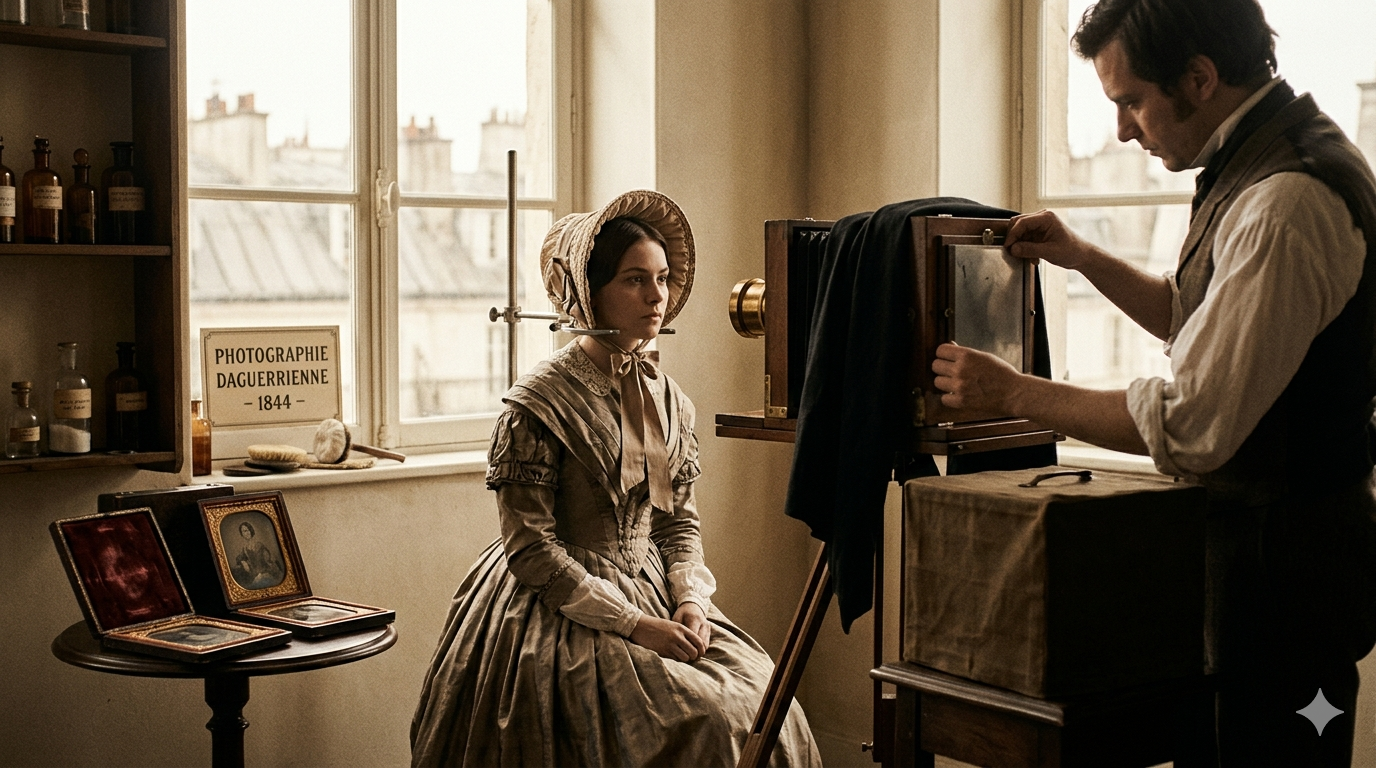
After Niépce’s success, Louis Daguerre improved the process and introduced the daguerreotype in 1839. This was the first commercially successful photography method. Daguerreotypes produced detailed images on silver-coated copper plates. Exposure times became shorter, making portrait photography possible.
The invention quickly gained popularity in Europe and America. People visited photography studios to capture portraits of themselves and their families. Photography became more affordable and accessible to the public.
The Rise of Film Photography
During the late 19th century, photography technology continued to improve. George Eastman revolutionized photography by introducing roll film and the Kodak camera in 1888. His famous slogan, “You press the button, we do the rest,” made photography simple for ordinary people.
Film photography allowed users to take multiple photos without changing plates after every shot. This innovation helped photography become a popular hobby worldwide. Newspapers, magazines, and businesses also started using photographs for communication and advertising.
The Introduction of Color Photography
Early photographs were only black and white. However, scientists and inventors worked hard to develop color photography. In the early 20th century, color film became commercially available. Kodak introduced Kodachrome film in 1935, which produced vibrant and realistic colors.
Color photography changed the industry completely. It made photographs more lifelike and attractive. Families could now preserve memories in color, while photographers gained new creative opportunities.
The Digital Photography Revolution
The biggest transformation in the history of photography came with digital technology. In 1975, Kodak engineer Steven Sasson invented the first digital camera. Unlike film cameras, digital cameras stored images electronically.
By the 1990s and early 2000s, digital cameras became widely available. They allowed photographers to view images instantly, edit photos easily, and store thousands of pictures on memory cards. This innovation eliminated the need for film processing.
Today, smartphones have made digital photography even more popular. Modern mobile phones come with advanced cameras, allowing anyone to capture high-quality images anytime and anywhere.
Photography in the Modern World
Photography now plays an important role in everyday life. It is widely used in journalism, social media, education, fashion, science, and entertainment. Professional photographers use advanced cameras and editing software to create stunning visuals.
Social media platforms like Instagram and Facebook have increased the importance of photography in communication. People share photos to tell stories, promote businesses, and connect with others worldwide.
The history of photography is a story of innovation and creativity. From the early experiments of Niépce to today’s digital smartphones, photography has evolved into a powerful form of communication and art. It continues to shape the way people document life, preserve memories, and express emotions. As technology advances, the future of photography will likely become even more exciting and innovative.
Read Also : Social Network Website Design