

The future of wearables beyond smartwatches today is rapidly transforming the way people interact with technology. While smartwatches have become an essential gadget for tracking fitness, checking notifications, and managing daily tasks, the wearable technology industry is moving far beyond wrist-based devices. Innovations in artificial intelligence (AI), healthcare monitoring, augmented reality (AR), and smart textiles are paving the way for a new generation of wearable devices that are smarter, lighter, and more personalized. As technology continues to evolve, wearables will become an integral part of healthcare, communication, work, and entertainment.
The Evolution of Wearable Technology
Wearable technology has advanced significantly over the past decade. Early fitness trackers focused mainly on counting steps and measuring heart rate. Modern smartwatches now offer ECG monitoring, sleep tracking, GPS navigation, and mobile payments. However, researchers and technology companies are investing in wearable devices that seamlessly integrate into everyday life without requiring users to constantly check a screen.
Future wearables will prioritize convenience, comfort, and intelligent automation. Instead of relying solely on watches, wearable technology will include clothing, rings, glasses, earbuds, patches, and even smart contact lenses.
Smart Glasses and Augmented Reality
One of the most exciting developments in wearable technology is the rise of smart glasses powered by augmented reality. These devices will display navigation, notifications, translations, and work-related information directly within the user’s field of vision.
AR-powered wearables have the potential to transform industries such as healthcare, manufacturing, education, and retail. Doctors can access patient information during surgery, technicians can receive repair instructions hands-free, and students can experience immersive learning environments.
As batteries become smaller and displays become more efficient, smart glasses are expected to become a mainstream alternative to smartphones.
Smart Rings and Health Monitoring
Smart rings are gaining popularity because they provide powerful health tracking in a compact design. These lightweight devices can monitor:
- Heart rate
- Blood oxygen levels
- Sleep quality
- Body temperature
- Stress levels
- Physical activity
Future smart rings may even detect early signs of illnesses using advanced sensors and AI-powered analytics. Healthcare professionals could use this data for preventive care and personalized treatment plans, reducing the need for frequent hospital visits.
Smart Clothing and Electronic Textiles
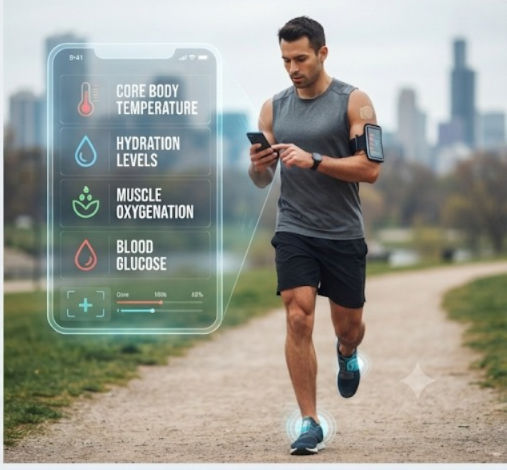
Smart clothing represents another major advancement beyond smartwatches. Embedded sensors inside fabrics can continuously monitor body movement, posture, muscle activity, and vital signs.
Athletes can receive real-time performance analysis, while patients recovering from injuries can benefit from remote rehabilitation monitoring. Smart clothing may also regulate body temperature, monitor hydration levels, and improve workplace safety by detecting hazardous conditions.
Electronic textiles are becoming lighter, washable, and more durable, making them practical for everyday use.
Wearable Healthcare Devices
Healthcare is expected to become the largest market for wearable technology. Future wearable devices will continuously monitor medical conditions such as:
- Diabetes
- High blood pressure
- Heart disease
- Respiratory disorders
- Neurological conditions
AI-powered wearable patches may provide continuous glucose monitoring without needles, while smart biosensors could detect infections before symptoms appear. These innovations will enable earlier diagnosis and improve patient outcomes through continuous health monitoring.
AI-Powered Personal Assistants
Artificial intelligence will play a major role in the future of wearable technology. Instead of simply collecting data, future wearables will analyze information and provide personalized recommendations.
AI assistants may remind users to stay hydrated, suggest exercise routines, detect fatigue, recommend healthier food choices, and even predict potential health risks. Voice recognition and contextual awareness will make wearable devices feel like intelligent personal companions rather than simple gadgets.
Challenges Facing Future Wearables
Although the future looks promising, several challenges remain:
- Privacy and data security concerns
- Battery life limitations
- Device affordability
- Sensor accuracy
- User comfort and design
Manufacturers must address these issues to increase consumer trust and encourage wider adoption. Strong cybersecurity measures and transparent data policies will be essential as wearable devices collect increasingly sensitive personal information.
The future of wearables beyond smartwatches today is shaping a world where technology becomes more intelligent, invisible, and deeply integrated into everyday life. From smart glasses and AI-powered rings to intelligent clothing and medical wearables, the next generation of devices will revolutionize healthcare, communication, productivity, and personal wellness. As artificial intelligence, advanced sensors, and flexible electronics continue to improve, wearable technology will move beyond simple fitness tracking and become an essential part of modern living. Businesses, healthcare providers, and consumers alike can expect exciting innovations that will redefine how humans interact with technology in the years ahead.
Effects of AI in Upcoming Technology
Manhole – Essential Access Points in Urban Infrastructure
RCPC Manhole Covers and Frames
Read Also : Social Network Website Design