A tiny but crucial component of the male reproductive system is the prostate gland. Although it is about the size of a walnut, it performs several important functions that support fertility, urinary health, and overall reproductive wellness. Located just below the bladder and surrounding the urethra, the prostate works closely with other reproductive organs to ensure the proper functioning of the male body.
Understanding the functions of the prostate gland can help men recognize its importance and take proactive steps to maintain prostate health throughout their lives.
What Is the Prostate Gland?
The prostate gland is a muscular gland found only in males. It is positioned between the bladder and the penis, with the urethra passing directly through its center. The gland grows during puberty under the influence of hormones, particularly testosterone.
Its primary purpose is to produce and transport fluids that support sperm, making it an essential organ for reproduction.
Main Functions of the Prostate Gland
The prostate gland performs several vital functions that contribute to male reproductive health.
1. Produces Prostatic Fluid
One of the most important functions of the prostate gland is producing prostatic fluid, which makes up approximately 20–30% of semen. This slightly alkaline fluid contains enzymes, proteins, zinc, and other nutrients that nourish and protect sperm.
The fluid helps sperm survive after ejaculation and improves their chances of reaching and fertilizing an egg.
2. Supports Sperm Mobility
Healthy sperm need to move efficiently through the female reproductive tract. The prostate gland secretes enzymes that help liquefy semen after ejaculation. This process allows sperm to swim freely and increases their mobility.
Without this function, sperm movement would be significantly reduced, affecting male fertility.
3. Protects Sperm from Acidic Environments
The female reproductive tract naturally has an acidic environment, which can damage sperm cells. The prostate gland produces a mildly alkaline fluid that helps neutralize this acidity.
By balancing the pH levels, the prostate creates a more favorable environment for sperm survival, increasing the likelihood of successful fertilization.
4. Assists in Ejaculation
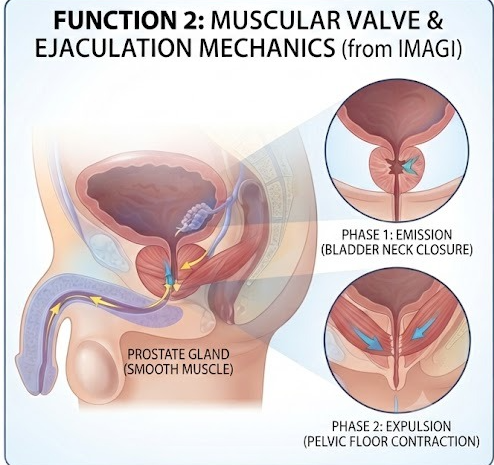
The prostate gland contains smooth muscle fibers that contract during ejaculation. These contractions help push semen into the urethra and out of the body.
This coordinated process ensures that semen is released efficiently during sexual activity.
5. Helps Prevent Urinary Problems
Although its primary role is reproductive, the prostate gland also contributes to urinary function. Because it surrounds the urethra, the muscles of the prostate help regulate urine flow.
A healthy prostate allows normal urination, while an enlarged or inflamed prostate can restrict urine flow and cause urinary symptoms such as frequent urination or difficulty emptying the bladder.

Hormones and the Prostate Gland
The prostate gland depends on male hormones called androgens, especially testosterone and dihydrotestosterone (DHT), for its growth and function. These hormones regulate the production of prostatic fluid and help maintain the gland’s normal size and activity.
Changes in hormone levels with age can affect prostate health, making regular medical check-ups increasingly important for older men.
Common Prostate Health Issues
As men age, the prostate gland becomes more susceptible to certain health conditions, including:
- Benign Prostatic Hyperplasia (BPH): A non-cancerous enlargement of the prostate that can interfere with urination.
- Prostatitis: Inflammation of the prostate caused by infection or other factors.
- Prostate Cancer: One of the most prevalent malignancies in males worldwide is prostate cancer.Early detection significantly improves treatment outcomes.
Recognizing symptoms such as difficulty urinating, pelvic discomfort, blood in urine, or changes in urinary habits can help ensure timely medical evaluation.
Tips to Maintain a Healthy Prostate
Maintaining prostate health involves adopting healthy lifestyle habits, including:
- Eat a balanced diet rich in fruits, vegetables, and whole grains.
- Stay physically active with regular exercise.
- Drink adequate water throughout the day.
- Maintain a healthy body weight.
- Avoid smoking and excessive alcohol consumption.
- Schedule regular prostate screenings as recommended by your healthcare provider, especially after the age of 50 or earlier if you have a family history of prostate disease.
The functions of the prostate gland extend far beyond reproduction. From producing nutrient-rich fluid for sperm to supporting ejaculation and contributing to urinary function, the prostate plays a vital role in men’s overall health. Understanding how this small gland works encourages better awareness of prostate-related conditions and the importance of preventive care.
By following a healthy lifestyle and seeking regular medical check-ups, men can help maintain optimal prostate function and reduce the risk of common prostate disorders. Prioritizing prostate health today can contribute to better reproductive health, improved urinary function, and overall well-being in the years ahead.
How to Choose the Best Online Courses for Career Advancement
Exploring the Top Scientific Theories That Changed the World