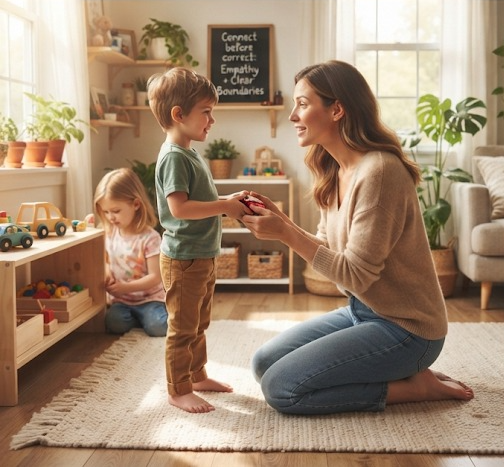

Families bring together people of different ages, experiences, values, and communication styles. These differences can sometimes create misunderstandings between grandparents, parents, children, and young adults. Empathy in generational family dynamics can help family members understand one another, reduce conflict, and create healthier relationships. Rather than expecting everyone to think alike, empathy encourages people to recognize different perspectives with patience and compassion.
Understanding Generational Differences
Every generation grows up under different social, economic, technological, and cultural circumstances. Grandparents may have experienced a more traditional lifestyle, while younger family members may be comfortable with digital communication, flexible careers, and changing social expectations. Parents often find themselves between these perspectives.
These differences do not necessarily mean that one generation is right and another is wrong. They simply reflect different life experiences. Understanding this distinction is an important part of developing empathy within a family.
Why Empathy Matters in Family Relationships
Empathy allows people to look beyond their own feelings and consider what another person may be experiencing. In family relationships, this can make conversations more respectful and meaningful.
For example, an older family member may interpret a young person’s frequent phone use as disrespectful, while the younger person may see it as an essential part of communication and work. Instead of immediately criticizing one another, empathetic family members can discuss the reasons behind their behavior.
This approach can prevent small disagreements from becoming long-term conflicts.
Listening Without Immediate Judgment
One of the simplest ways to practice empathy is through active listening. Family members should have opportunities to explain their thoughts without being interrupted or criticized.
Listening does not mean agreeing with everything someone says. It means making an effort to understand their feelings and reasoning before responding. Statements such as “I understand why you feel that way” can create a more supportive environment.
When people feel heard, they are generally more willing to listen to others.
Bridging the Communication Gap
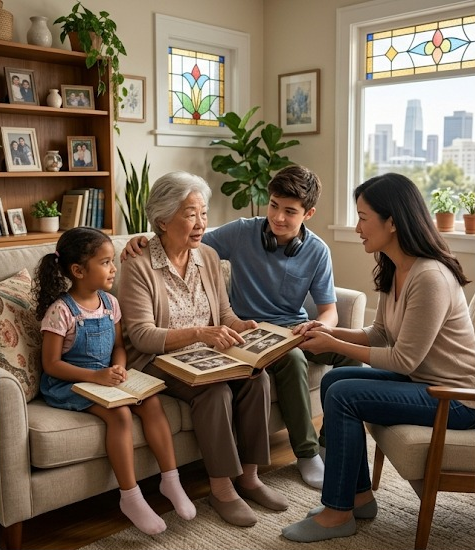
Communication styles can vary significantly between generations. Older relatives may prefer face-to-face conversations or phone calls, whereas younger family members may rely heavily on messaging applications and social media.
Empathy encourages family members to adapt rather than dismiss unfamiliar communication habits. At the same time, younger relatives can appreciate the communication preferences of older family members.
Finding a comfortable balance can make family interactions easier and more inclusive.
Respecting Different Life Experiences
Generational empathy also requires respect for different life journeys. Parents and grandparents may have made decisions based on circumstances that younger relatives never experienced. Likewise, younger generations face challenges that older relatives may not immediately understand.
Instead of comparing difficulties, families can recognize that every generation has its own pressures. Respecting these differences can replace criticism with curiosity and understanding.
Teaching Empathy to Children
Children learn empathy largely by observing how adults behave. Parents and grandparents can demonstrate empathy by listening patiently, apologizing when necessary, respecting boundaries, and discussing disagreements calmly.
Simple family activities such as sharing personal experiences, discussing feelings, and spending quality time together can help children understand different perspectives. These habits can influence how they communicate with relatives throughout their lives.
Creating a More Understanding Family
Empathy does not eliminate every disagreement. Healthy families will still have different opinions and occasional conflicts. The goal is to handle those differences with respect rather than hostility.
Families can strengthen empathy by encouraging open conversations, avoiding stereotypes about age groups, respecting individual boundaries, and giving each generation space to express its concerns.
Empathy in generational family dynamics is an important foundation for stronger and healthier relationships. When family members listen carefully, respect different experiences, and communicate without unnecessary judgment, generational differences become easier to manage. Empathy creates room for understanding, patience, and cooperation, helping families build connections that can remain strong across generations.
Private Places for Couples in Kolkata
Read Also: Adult Toys Website Design