Earth Science Topics is one of the most important branches of science because it helps us understand the structure, history, and natural processes of our planet. From earthquakes and volcanoes to climate change and ocean currents, earth science explains how the Earth works and how humans interact with the environment. In today’s world, studying earth science is essential for protecting natural resources and preparing for environmental challenges.
What Is Earth Science?
Earth science is the study of the Earth, its atmosphere, oceans, rocks, and natural systems. It combines several scientific fields, including geology, meteorology, oceanography, and astronomy. Scientists use earth science to learn about the planet’s past, present, and future.
The main goal of earth science is to understand how natural processes affect life on Earth. It also helps researchers predict natural disasters such as hurricanes, earthquakes, floods, and volcanic eruptions.
Branches of Earth Science
Earth science is divided into four major branches:
Geology
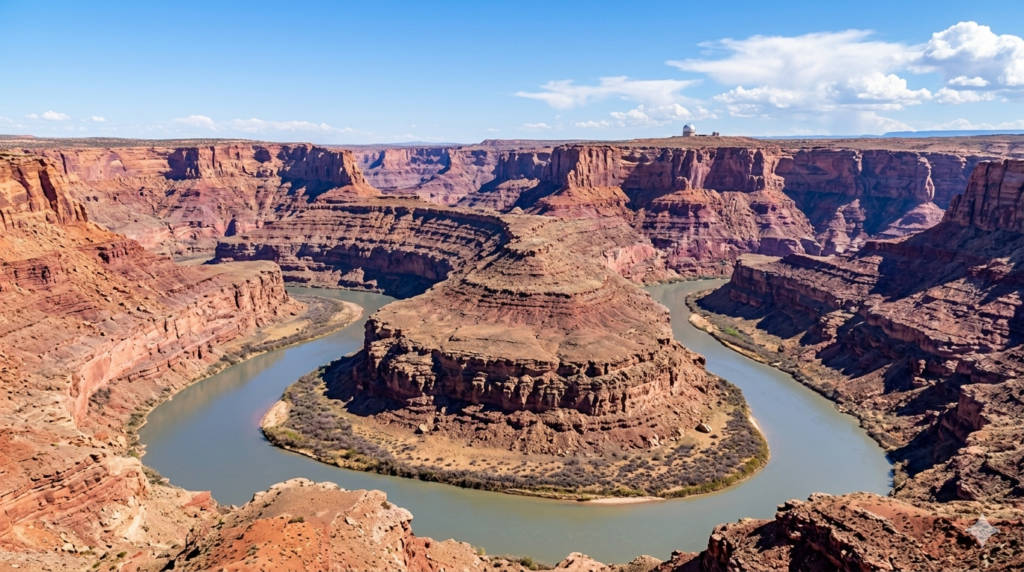
Geology focuses on rocks, minerals, mountains, and the structure of the Earth. Geologists study how continents move, how earthquakes occur, and how natural resources like coal, oil, and metals are formed.
Meteorology
Meteorology is the study of weather and the atmosphere. Meteorologists analyze temperature, rainfall, storms, and climate patterns to provide accurate weather forecasts and understand climate change.
Oceanography
Oceanography studies oceans, marine life, and underwater ecosystems. Oceans cover more than 70% of the Earth’s surface, making them a major part of the planet’s climate and environment.
Astronomy
Space, planets, stars, and the cosmos are all studied by astronomy. Although it focuses on outer space, astronomy is considered part of earth science because space events can influence Earth’s environment.
Importance of Earth Science
Earth science plays a major role in everyday life. It helps people understand environmental problems and develop solutions for a sustainable future. Scientists use earth science to monitor pollution, manage water resources, and study climate change.
Another important benefit of earth science is disaster management. Early warning systems for earthquakes, tsunamis, and hurricanes save thousands of lives every year. Earth science also helps farmers predict weather conditions for better crop production.
In addition, earth science supports industries such as construction, mining, energy, and transportation. Engineers rely on geological studies before building roads, bridges, and buildings.
Climate Change and Earth Science
Climate change is one of the biggest topics in modern earth science. Rising global temperatures, melting glaciers, and extreme weather events are major concerns around the world. Earth scientists collect data from satellites, oceans, and weather stations to study these changes.
Human activities such as deforestation, industrial pollution, and burning fossil fuels increase greenhouse gases in the atmosphere. These gases trap heat and cause global warming. Earth science helps governments and organizations create environmental policies to reduce climate risks.
Renewable energy sources like solar, wind, and hydropower are also supported by earth science research. These energy alternatives can reduce pollution and protect the planet for future generations.
Natural Disasters and Their Impact
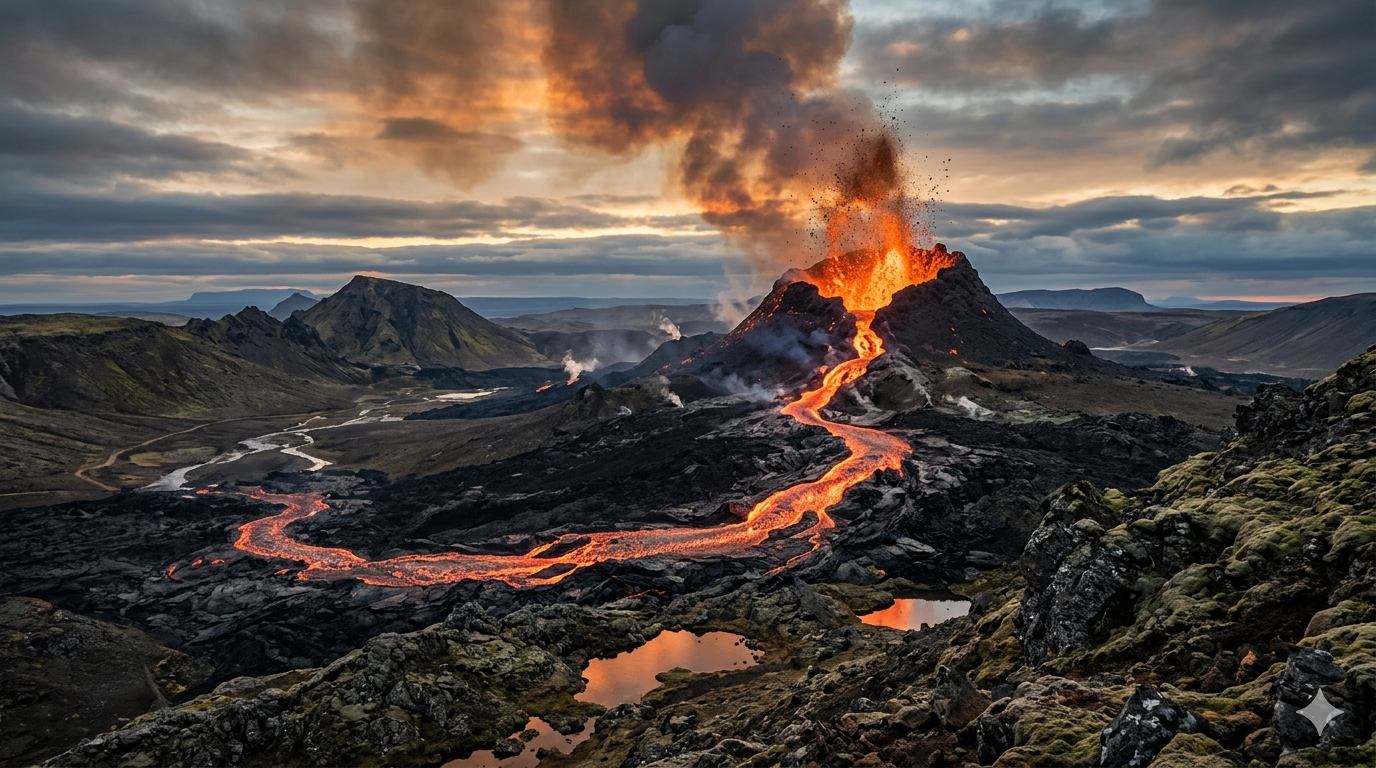
Earth science helps scientists understand natural disasters and their effects on people and ecosystems. Earthquakes occur because of movements in the Earth’s tectonic plates, while volcanic eruptions release hot lava and gases from deep inside the planet.
Floods, hurricanes, and droughts are often connected to climate and weather patterns. By studying these events, scientists can improve forecasting systems and reduce damage to communities.
Preparedness and awareness are key benefits of earth science education. Understanding natural hazards allows governments and citizens to respond quickly during emergencies.
Earth science is essential for understanding the planet and solving environmental challenges. It covers geology, meteorology, oceanography, and astronomy to explain how Earth functions. From predicting natural disasters to studying climate change, earth science improves human life and protects the environment. As global environmental issues continue to grow, the importance of earth science will become even greater in the future.
Effects of AI in Upcoming Technology
Manhole – Essential Access Points in Urban Infrastructure
RCPC Manhole Covers and Frames
Read Also: Social Network Website Design