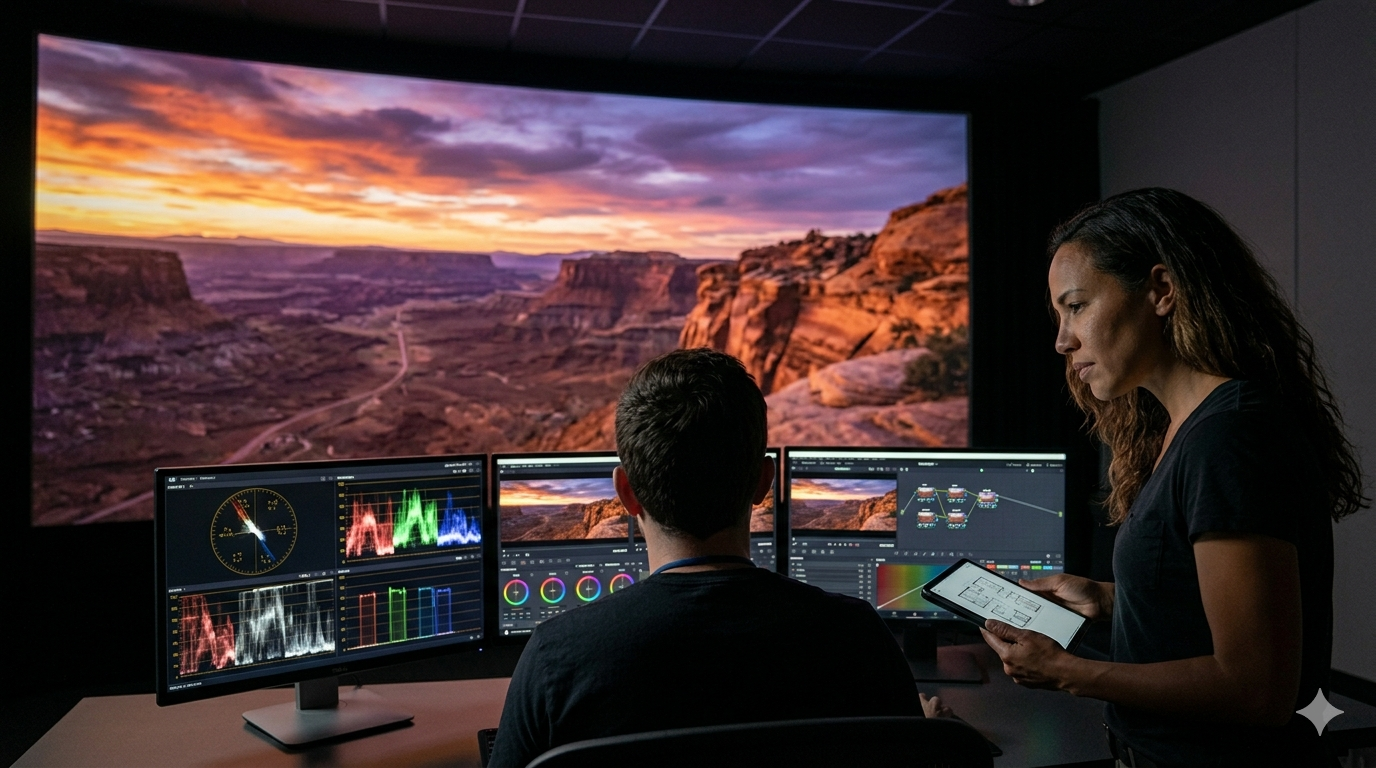
The Director of Photography (DoP), also known as the Cinematographer, plays a crucial role in the filmmaking process. While directors focus on storytelling and performances, the Director of Photography is responsible for transforming the script into compelling visual imagery. From selecting camera angles to designing lighting setups, the DoP ensures that every frame contributes to the overall mood and narrative of a film, television show, commercial, or digital production.
What Is a Director of Photography?
A Director of Photography is the head of the camera and lighting departments. Their primary responsibility is to create the visual style of a production while working closely with the director. They determine how scenes are shot, including camera movement, composition, lens selection, and lighting techniques.
The Director of Photography combines technical expertise with artistic creativity to produce visuals that support the story and engage audiences. Their decisions significantly impact the look and feel of the final production.
Key Responsibilities of a Director of Photography
1. Visual Planning
Before filming begins, the Director of Photography collaborates with the director to establish the visual language of the project. This includes discussing color palettes, shot compositions, and camera movements that align with the story’s tone and objectives.
2. Camera Selection and Operation
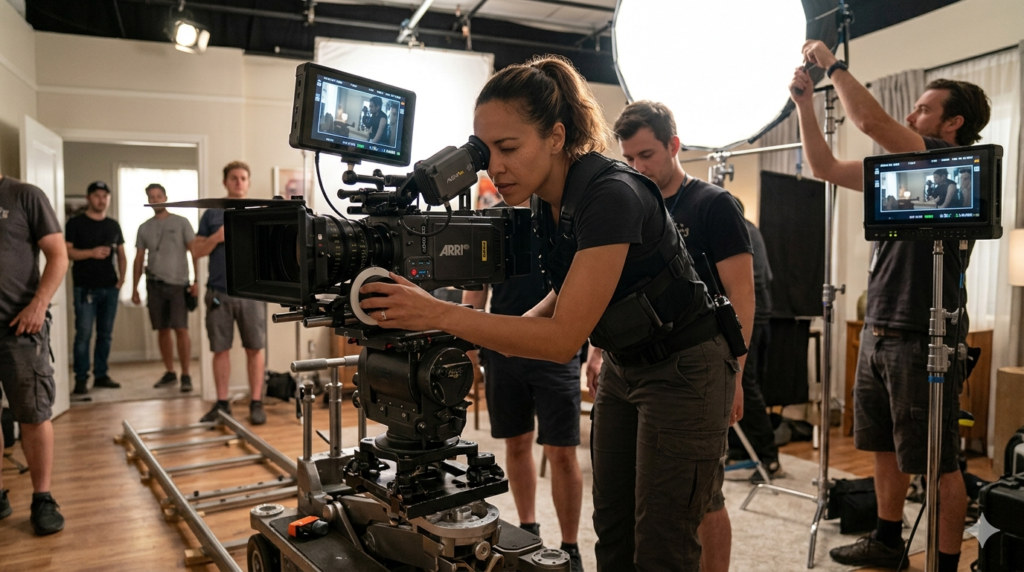
The DoP chooses the most suitable cameras, lenses, and equipment for the production. They determine how scenes will be framed and often supervise camera operators to ensure consistency throughout the project.
3. Lighting Design
One of the most crucial components of cinematography is lighting. A Director of Photography designs lighting setups that create the desired atmosphere, highlight key subjects, and support emotional storytelling.
4. Managing the Camera Crew
The Director of Photography leads a team that may include camera operators, focus pullers, gaffers, and grips. Effective communication and leadership are essential to ensure smooth production and high-quality results.
Essential Skills for a Director of Photography
Creative Vision
A successful Director of Photography possesses a strong artistic eye and the ability to translate ideas into visually compelling scenes.
Technical Knowledge
Understanding cameras, lenses, lighting equipment, and post-production workflows is critical for achieving professional results.
Communication Skills
The DoP must collaborate effectively with directors, producers, designers, and crew members to execute the creative vision of the project.
Problem-Solving Ability
Filmmaking often presents unexpected challenges. Directors of Photography must adapt quickly and find creative solutions to technical or environmental obstacles.
Importance of a Director of Photography in Film Production
The Director of Photography is responsible for creating the visual identity of a project. Their work influences how audiences perceive characters, settings, and emotions. Through strategic use of lighting, camera movement, and composition, they can create suspense, excitement, romance, or drama.
Many iconic films are remembered not only for their stories but also for their breathtaking cinematography. The Director of Photography plays a central role in achieving those memorable visuals.
Career Opportunities for Directors of Photography
Experienced Directors of Photography can work in various industries, including:
- Feature Films
- Television Series
- Commercial Advertising
- Music Videos
- Documentary Production
- Corporate Video Production
- Digital Content Creation
As the demand for high-quality video content continues to grow, skilled cinematographers are increasingly sought after by production companies worldwide.
A Director of Photography is much more than a camera operator. They are visual storytellers who bring scripts to life through creative cinematography and technical expertise. By overseeing camera work, lighting, and visual composition, the DoP helps create the powerful images that captivate audiences. Whether working on blockbuster films or online content, the Director of Photography remains an essential part of modern visual storytelling.
Read Also: Advertisement Marketing