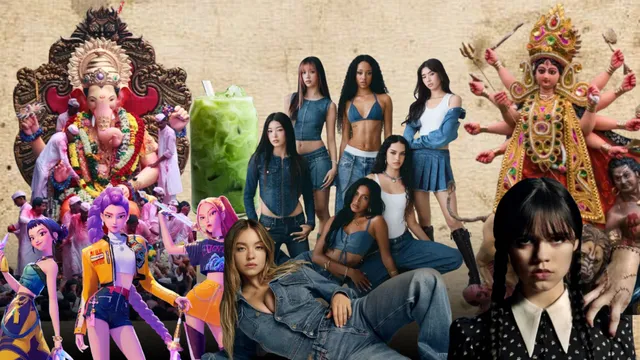
In recent years, cultural and lifestyle shifts have transformed the way people live, work, and connect with the world. Rapid technological advancements, globalization, and changing social values have influenced everyday habits and long-standing traditions. These shifts are not only shaping individual identities but also redefining communities and global culture as a whole.
The Impact of Technology on Cultural Change
Technology has become one of the strongest drivers of cultural and lifestyle shifts. Smartphones, social media, and digital platforms have changed how people communicate and consume information. Traditional face-to-face interactions are increasingly replaced by virtual conversations, making the world more connected yet sometimes emotionally distant.
Streaming services, online learning, and remote work have also influenced cultural norms. People now expect instant access to entertainment, education, and professional opportunities. This digital transformation has created a culture of convenience, flexibility, and constant connectivity, reshaping daily routines across generations.
Changing Work Culture and Lifestyle Balance
One of the most noticeable lifestyle shifts is the evolution of work culture. The traditional nine-to-five office model is gradually giving way to remote work, freelancing, and hybrid work environments. Employees now prioritize work-life balance, mental health, and job satisfaction over rigid schedules.
This cultural shift has encouraged organizations to adopt flexible policies, wellness programs, and outcome-based performance models. As a result, individuals have more control over their time, leading to lifestyle changes such as relocating to smaller cities, spending more time with family, or pursuing personal passions alongside careers.
Evolving Family Structures and Social Values
Cultural and lifestyle shifts are also evident in family structures and social relationships. Nuclear families, single-parent households, and live-in partnerships are becoming more socially accepted in many societies. Traditional roles within families are changing, with shared responsibilities and greater gender equality.
Additionally, modern society places more emphasis on individual choice and personal freedom. People are more open to redefining marriage, parenthood, and social commitments. These evolving values reflect a broader cultural move toward inclusivity, self-expression, and mutual respect.
Health, Wellness, and Sustainable Living Trends
Another major lifestyle shift is the growing focus on health, wellness, and sustainability. People are becoming more conscious of physical fitness, mental well-being, and emotional health. Practices such as yoga, meditation, and mindfulness are now part of mainstream culture rather than niche activities.
Sustainable living has also gained importance. Eco-friendly products, plant-based diets, and minimalistic lifestyles are influencing consumer behavior. These cultural changes highlight a collective awareness of environmental responsibility and long-term well-being over short-term convenience.
Globalization and Cultural Exchange
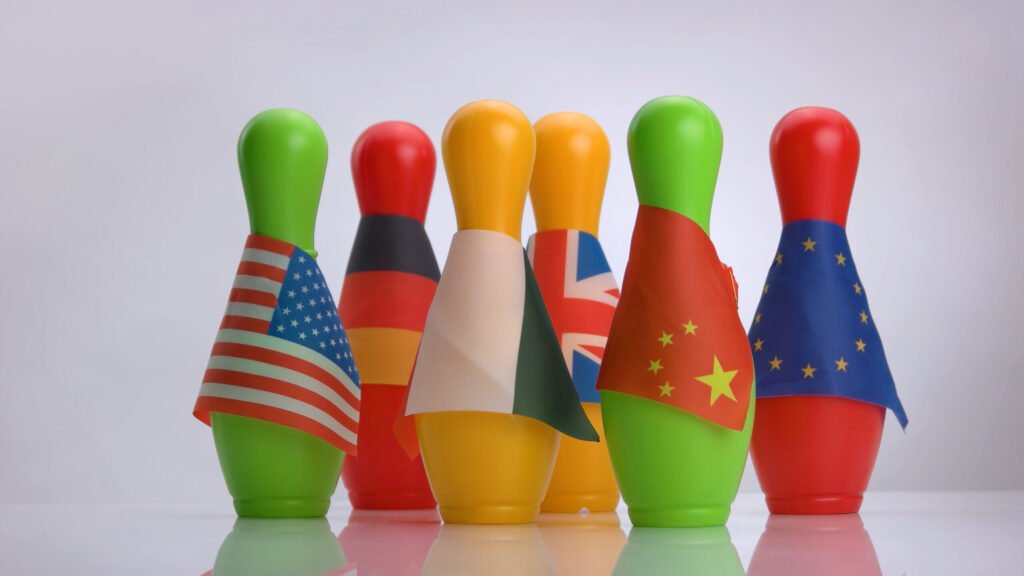
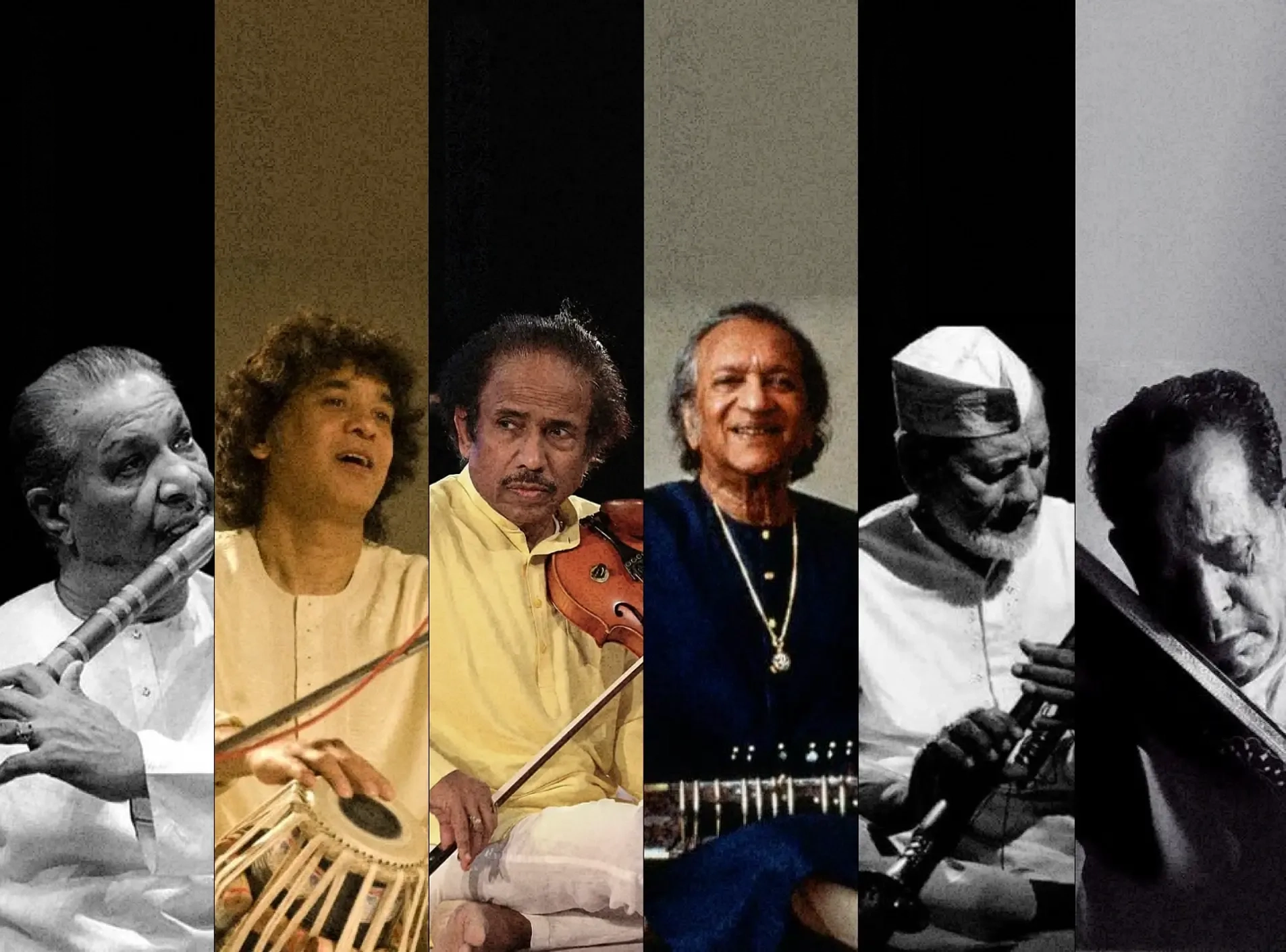
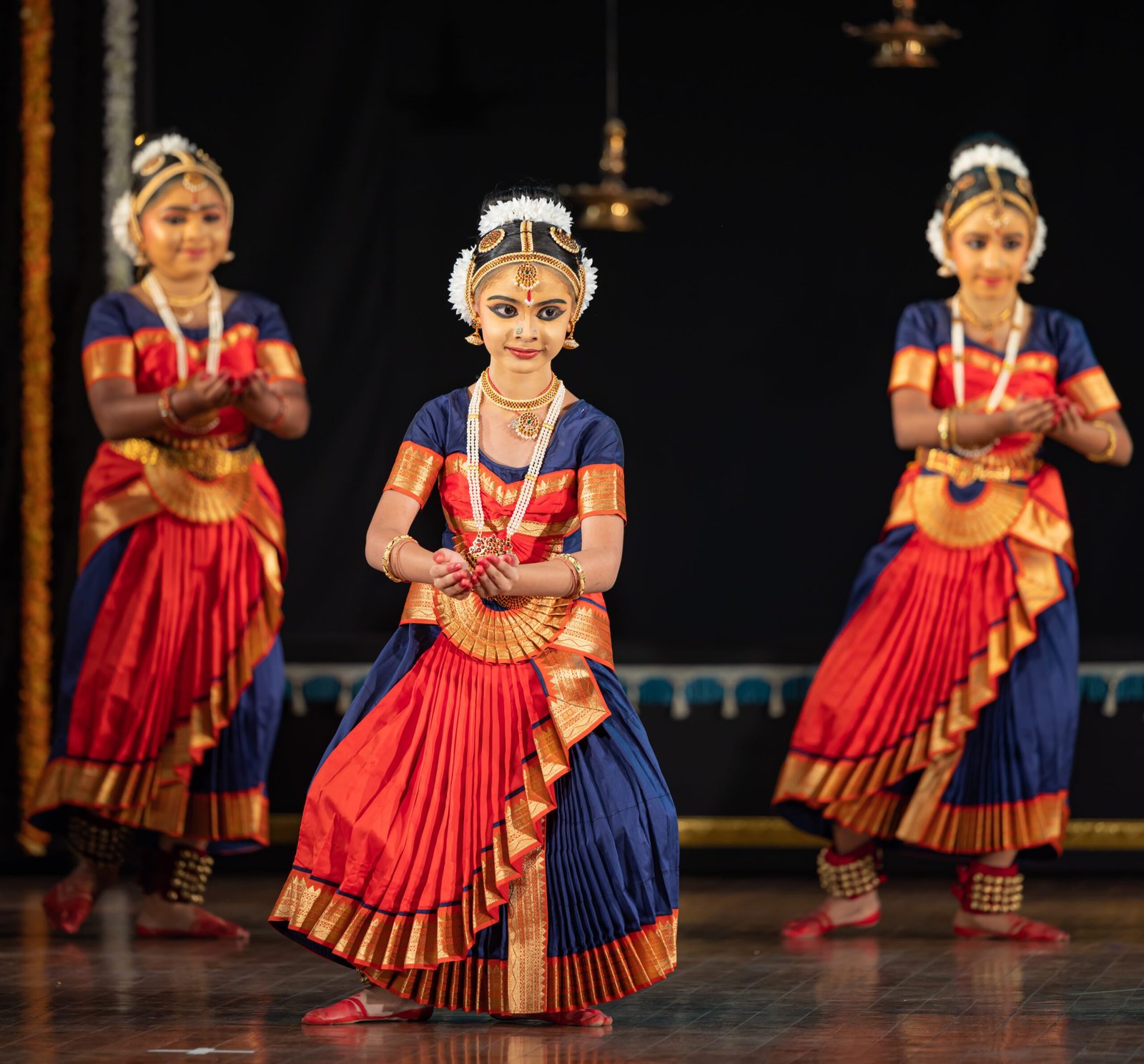
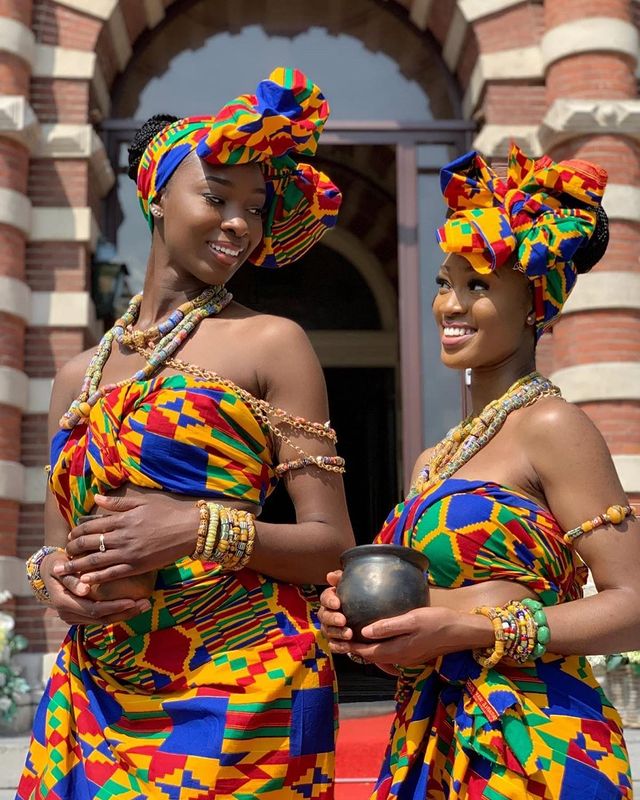
Globalization has accelerated cultural and lifestyle shifts by enabling cross-cultural interactions. Food, fashion, music, and traditions from different parts of the world are now easily accessible. This exchange has created a more diverse and inclusive global culture.
While globalization encourages cultural blending, it also raises concerns about preserving local traditions. Many communities are now striving to balance modernization with cultural heritage, ensuring that progress does not come at the cost of identity.
The Future of Cultural and Lifestyle Shifts
Cultural and lifestyle shifts will continue to evolve as society adapts to new challenges and opportunities. Advancements in artificial intelligence, changing economic structures, and increasing social awareness will further influence how people live and think.
In the future, adaptability and cultural sensitivity will be key. Understanding these shifts helps individuals and organizations stay relevant, connected, and resilient in a rapidly changing world.
Superstitious Culture in India
Lifestyle of the Indian Jarawa Tribe
Read Also : Social Network Website Design