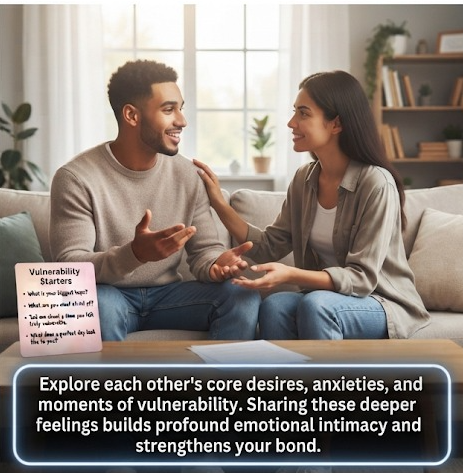
All relationships encounter conflicts occasionally. Differences in opinions, expectations, finances, parenting, or daily responsibilities can create tension between partners. However, conflict itself is not the problem—how couples handle it determines whether their relationship grows stronger or weaker. Learning effective conflict resolution strategies helps couples improve communication, strengthen trust, and create lasting emotional connections.
In this article, we’ll explore practical conflict resolution strategies for couples that encourage healthy communication and long-term relationship success.
Why Conflict Happens in Relationships
Conflict is a natural part of every relationship because no two people think or behave exactly alike. Common causes of disagreements include:
- Poor communication
- Financial stress
- Household responsibilities
- Parenting differences
- Lack of quality time
- Jealousy or trust issues
- Different personal values or goals
Instead of avoiding disagreements, couples should view them as opportunities to understand each other better and grow together.
Communicate with Respect
Healthy communication is the foundation of conflict resolution. During disagreements, avoid yelling, interrupting, or using hurtful language. Speak calmly and focus on expressing your feelings without attacking your partner.
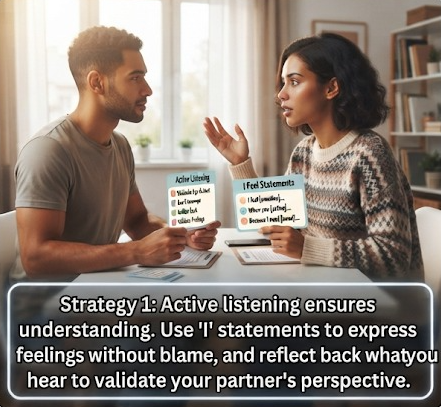
Utilizing “I” statements can enhance the effectiveness of conversations. For instance, expressing, “I feel neglected when we don’t have quality time together,” is more impactful than stating, “You never show any concern for me.”
Respectful communication reduces defensiveness and encourages honest discussion.
Practice Active Listening
Many conflicts continue because partners focus more on responding than listening. Active listening means giving your full attention while your partner speaks without interrupting.
Maintain eye contact, acknowledge their feelings, and repeat what you’ve understood to ensure clarity. Simple responses like, “I understand why you feel that way,” can make your partner feel heard and valued.
Listening carefully often resolves misunderstandings before they become larger issues.
Focus on the Problem, Not the Person
During disagreements, it’s easy to criticize your partner’s personality instead of addressing the actual issue. Personal attacks only increase resentment and damage trust.
Instead, work together to solve the specific problem. Treat the disagreement as something both of you can overcome rather than a battle to win.
Remember, the goal is to strengthen the relationship—not prove who is right.
Take a Break When Emotions Rise
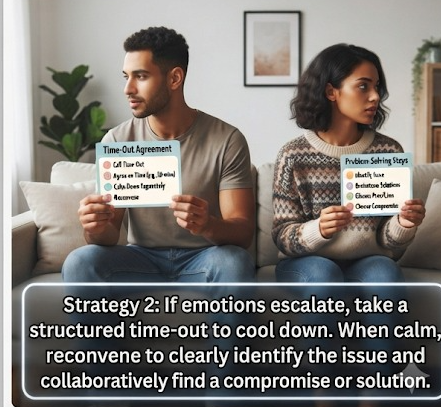
Arguments become less productive when emotions are running high. If either partner feels overwhelmed, taking a short break can prevent saying things that may later be regretted.
Spend time calming down through deep breathing, a short walk, or quiet reflection before continuing the discussion. Returning with a clear mind often leads to more thoughtful and respectful conversations.
Learn the Art of Compromise
Healthy relationships require flexibility. Compromise doesn’t mean one person always gives in—it means both partners work together to find a solution that respects each other’s needs.
Ask questions like:
- What solution works for both of us?
- Which issues are most important?
- Where can we meet halfway?
A willingness to compromise demonstrates maturity, respect, and commitment to the relationship.
Manage Conflict Before It Escalates
Small misunderstandings can become major problems if ignored. Address concerns early rather than allowing frustration to build over time.
Schedule regular conversations about your relationship, discuss expectations openly, and check in with each other’s emotional needs. Consistent communication prevents resentment from accumulating.
Practice Forgiveness
No relationship is perfect. Mistakes happen, and holding onto past arguments can damage emotional intimacy.
Forgiveness doesn’t mean forgetting what happened or accepting harmful behavior. Instead, it allows both partners to move forward without carrying unnecessary emotional burdens.
Couples who practice forgiveness often experience greater trust, happiness, and emotional security.
Set Healthy Boundaries During Arguments
Establish ground rules for disagreements to keep conversations respectful. Healthy boundaries may include:
- No shouting or insults.
- Avoid bringing up unrelated past mistakes.
- Never threaten to end the relationship during arguments.
- Give each other equal time to speak.
- Maintain your concentration on a single matter at a time.
These boundaries create a safe environment where both partners feel respected.
Consider Professional Relationship Counseling
Sometimes conflicts become too difficult to resolve alone. Relationship therapists can offer impartial advice, educate on effective communication techniques, and assist couples in recognizing negative habits.
Seeking professional support is not a sign of failure. Instead, it demonstrates a commitment to improving the relationship and building a healthier future together.
Conflict is an unavoidable part of every relationship, but it doesn’t have to weaken your bond. By practicing respectful communication, active listening, empathy, compromise, and forgiveness, couples can turn disagreements into opportunities for growth and understanding.
Healthy conflict resolution strengthens trust, improves emotional intimacy, and creates a more supportive partnership. Every successful relationship is built not on the absence of conflict, but on the willingness of both partners to solve problems together with patience, respect, and love. By consistently applying these conflict resolution strategies, couples can enjoy a happier, healthier, and more fulfilling relationship for years to come.
Private Places for Couples in Kolkata
Read Also: Adult Toys Website Design