Selecting the right school format is one of the most important decisions parents make. Every child has unique learning needs, interests, and goals, so there is no one-size-fits-all solution. The three primary education choices – public schools, private schools, and homeschooling – all have unique benefits and difficulties. Understanding these differences can help you choose the best environment for your child’s academic success and personal development.
What Is a Public School?
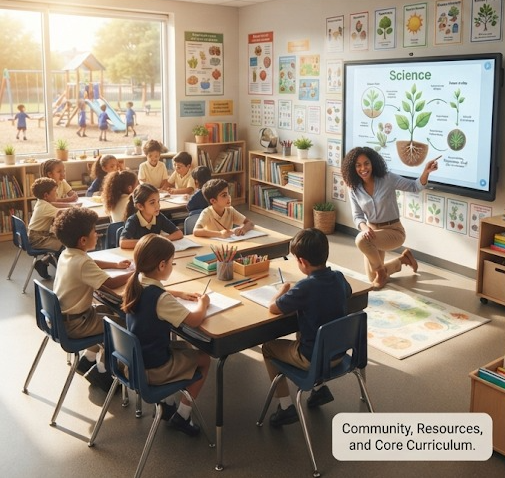
Public schools are government-funded educational institutions that are free for eligible students. They follow a standard curriculum set by education authorities and are available in most communities.
One of the biggest advantages of public schools is accessibility. Families do not have to pay tuition fees, making quality education available to everyone. Public schools also provide students with opportunities to interact with classmates from diverse cultural, social, and economic backgrounds.
Additionally, public schools often offer extracurricular activities such as sports, music, debate clubs, science fairs, and student organizations that help children develop important life skills beyond academics.
However, larger class sizes and limited individual attention may not suit every learner. Resources and facilities can also vary depending on the school’s location and funding.
Benefits of Private Schools
Private schools are funded autonomously via tuition charges and contributions. They generally have greater flexibility in designing their curriculum and educational approach.
A major advantage of private schools is their smaller class sizes, allowing teachers to provide more personalized attention. Many private institutions also emphasize academic excellence, leadership development, arts, technology, or religious education depending on their mission.
Parents often choose private schools because they offer advanced learning resources, experienced faculty, modern facilities, and a structured learning environment.
On the downside, tuition costs can be significant, making private education less affordable for many families. Admission requirements may also be more selective than those of public schools.
Understanding Homeschooling
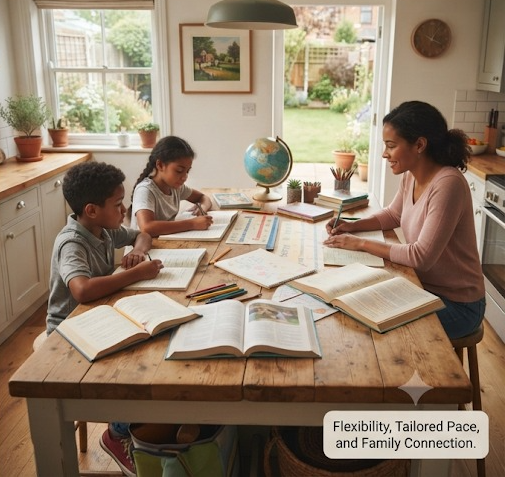
Homeschooling is an educational approach where parents or guardians take primary responsibility for teaching their children at home instead of enrolling them in a traditional school.
One of the greatest strengths of homeschooling is flexibility. Parents can customise lesson plans according to their child’s learning style, pace, and interests. This personalised approach often helps students who require additional support or advanced learning opportunities.
Homeschooling also allows families to create flexible schedules, spend more quality time together, and incorporate real-world experiences into daily lessons through travel, projects, and hands-on learning.
However, homeschooling requires a significant commitment from parents. They must prepare lessons, monitor progress, and ensure their child receives adequate social interaction through community groups, sports, or extracurricular activities.
Comparing Public, Private, and Homeschooling
When deciding between these educational options, consider the following factors:
- Cost: Public schools are generally free, while private schools require tuition. Homeschooling costs vary depending on curriculum materials and activities.
- Class Size: Private schools usually have smaller classes, whereas public schools may have larger student populations. Homeschooling offers one-on-one instruction.
- Curriculum Flexibility: Homeschooling provides the highest level of customisation. Private schools have moderate flexibility, while public schools follow government-approved curricula.
- Social Opportunities: Public and private schools provide daily peer interaction. Homeschooling families should actively seek social activities through clubs, sports, and local communities.
- Learning Style: Children who thrive in structured classrooms may benefit from public or private schools, while independent learners often excel in homeschooling environments.
Factors to Consider Before Choosing
Before selecting a school format, parents should evaluate their child’s personality, academic strengths, learning preferences, and future goals. Financial considerations, school location, teacher quality, extracurricular opportunities, and family schedules also play an important role.
Visiting schools, speaking with teachers, and reviewing academic performance can provide valuable insights before making a final decision.
Choosing between public school, private school, and homeschooling is a personal decision that depends on your family’s priorities and your child’s individual needs. Public schools provide affordability and diversity, private schools offer personalised education and specialised programmes, while homeschooling delivers unmatched flexibility and customised learning.
The best choice is the one that creates a supportive environment where your child feels motivated, confident, and excited to learn. By carefully evaluating each option, parents can make an informed decision that supports long-term academic achievement and personal growth.
How to Choose the Best Online Courses for Career Advancement
Exploring the Top Scientific Theories That Changed the World