What Is Charnamrit?
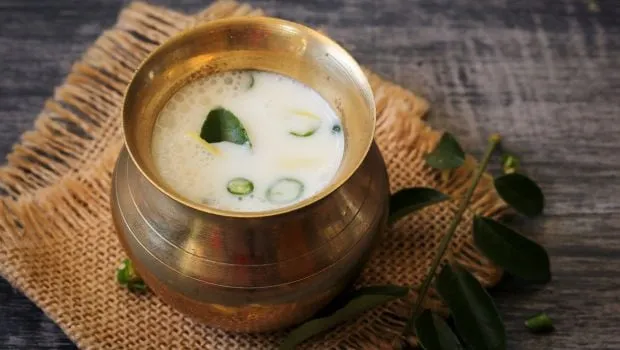
Charnamrit, also known as Charanamrit or Charan Amrit, is a sacred liquid revered in Hinduism. The word Charnamrit is derived from two Sanskrit terms: “Charan” meaning feet and “Amrit” meaning nectar. It refers to the holy water prepared by washing the feet of a deity’s idol, most commonly Lord Krishna or Vishnu, during temple rituals. Devotees believe Charnamrit carries divine blessings, spiritual purity, and healing energy.
Religious Significance of Charnamrit
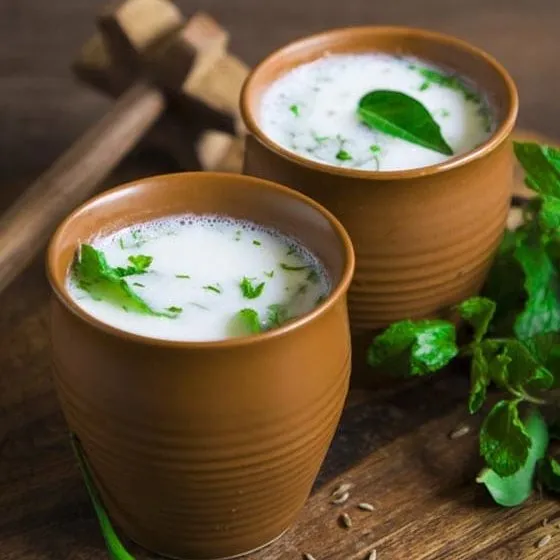
Charnamrit holds immense importance in Hindu religious practices. It symbolizes humility, surrender, and devotion to God. According to scriptures, the feet of the Lord represent the ultimate refuge, and consuming Charnamrit is considered a way of accepting divine grace. In Vaishnav traditions, Charnamrit is distributed after puja or aarti as prasadam, reinforcing the bond between the devotee and the divine.
How Charnamrit Is Prepared
The preparation of Charnamrit follows a sacred and symbolic process. Clean water or milk is poured over the feet of the deity’s idol. Ingredients like Tulsi leaves, rose petals, sandalwood, saffron, honey, and sometimes Ganga jal are added to enhance its sanctity. Each ingredient has spiritual meaning—Tulsi symbolizes devotion, sandalwood represents purity, and saffron signifies auspiciousness.
Spiritual Benefits of Charnamrit
Devotees believe that drinking Charnamrit purifies the soul and removes negative karma. Spiritually, it is said to bring peace of mind, devotion, and clarity. Many followers feel a deep sense of calm and positivity after consuming Charnamrit, as it strengthens faith and spiritual connection with the deity.
Health and Ayurvedic Benefits
Beyond its spiritual value, Charnamrit is also associated with health benefits. Ingredients like Tulsi and honey are known for their antibacterial and immunity-boosting properties. Traditionally, Charnamrit has been believed to aid digestion, relieve minor ailments, and promote overall well-being. While these benefits are rooted in tradition rather than modern science, many devotees continue to experience positive effects.
Charnamrit in Daily Hindu Rituals
Charnamrit is not limited to temples alone. Many Hindu households prepare it during daily prayers, festivals, and special occasions like Janmashtami, Ekadashi, and Vishnu-related vrat rituals. It is also offered during religious ceremonies such as weddings, housewarming pujas, and spiritual gatherings, reinforcing its role in everyday devotional life.
Symbolism and Deeper Meaning
At a deeper level, Charnamrit represents ego surrender. By accepting the water from the Lord’s feet, devotees symbolically place themselves in a state of humility. It reminds followers that true liberation comes from devotion, service, and letting go of pride.
Modern Relevance of Charnamrit
In today’s fast-paced world, Charnamrit continues to hold relevance by offering spiritual grounding. For many, it serves as a reminder of faith, discipline, and inner peace. Even younger generations are rediscovering its meaning through spiritual practices and temple visits, keeping the tradition alive.
Charnamrit is far more than sacred water—it is a blend of devotion, tradition, and spiritual wisdom. Whether viewed as divine nectar, a symbol of humility, or a source of peace, Charnamrit continues to inspire millions of devotees across generations. Its timeless significance makes it an essential part of Hindu spiritual life.
State Wise Food Culture in India
Worldwide Famous Spices of India
Read Aslo: Recipe Cuisine