Plant-based eating has become increasingly popular among people who want healthier meals, more variety, and a more sustainable lifestyle. However, some people assume that eating plant-based is expensive. In reality, budget-friendly plant-based meal planning can be simple and affordable when you focus on inexpensive whole foods, plan meals in advance, and shop strategically.
Whether you are completely plant-based or simply trying to include more plant foods in your diet, smart planning can help reduce food waste and keep your grocery bill under control.
Why Choose Budget-Friendly Plant-Based Meals?
A plant-based diet does not require expensive specialty products. Many nutritious plant foods are among the most affordable items in a grocery store. Beans, lentils, rice, oats, potatoes, seasonal vegetables, and whole grains can form the foundation of satisfying meals without costing much.
Planning meals before shopping also prevents unnecessary purchases. Instead of buying ingredients randomly, you can create a weekly menu based on foods you already have at home. This approach makes affordable plant-based meal planning more practical and helps you use ingredients efficiently.
Build Meals Around Affordable Staples
The key to inexpensive plant-based meals is choosing foods that provide good nutritional value for their price. Dried or canned beans, lentils, chickpeas, peas, brown rice, oats, pasta, potatoes, and whole grains are excellent choices.
For example, lentils can be used in soups, curries, salads, and vegetable patties. Chickpeas can become hummus, curry, roasted snacks, or salad toppings. Rice and beans can be combined with vegetables and spices to create a filling lunch or dinner.
Buying these staples in larger quantities can sometimes reduce the cost per serving, especially when they are properly stored.
Plan Your Weekly Meals
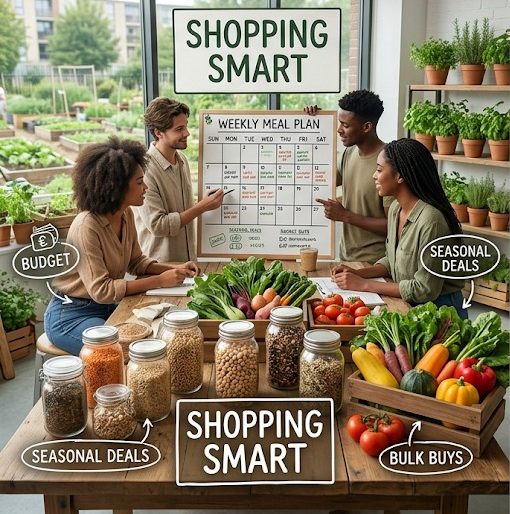
Creating a simple weekly meal plan is one of the easiest ways to save money. Start by choosing a few breakfast, lunch, dinner, and snack options. You do not need a completely different recipe every day.
For breakfast, consider oatmeal topped with bananas, apples, seeds, or peanut butter. Lunch could include rice and chickpea bowls, vegetable wraps, or lentil soup. Dinner might feature vegetable curry, bean chili, pasta with vegetables, or baked potatoes with beans.
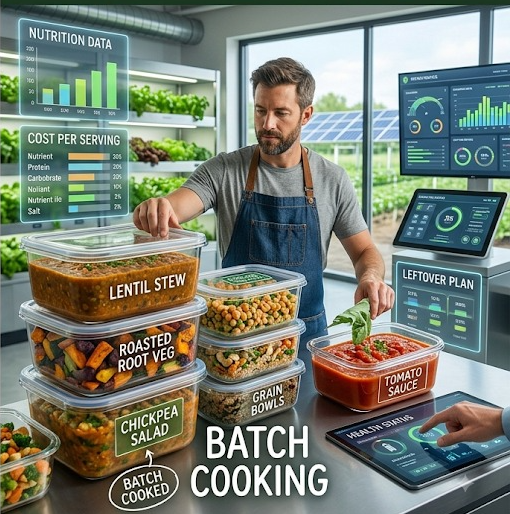
Cooking larger portions can also save both time and money. Leftovers can be transformed into another meal instead of being thrown away.
Buy Seasonal and Local Produce
Fresh fruits and vegetables can sometimes become expensive, particularly when they are out of season. Choosing seasonal produce is often a better way to maintain a healthy diet on a limited budget.
Visit local markets and compare prices before buying. Frozen vegetables and fruits can also be useful because they have a longer shelf life and can be purchased when prices are favorable.
Do not worry about making every meal visually perfect. Combining a few affordable vegetables with grains and legumes can create nutritious and satisfying dishes.
Reduce Food Waste
Food waste can quietly increase your monthly grocery expenses. Before shopping, check your refrigerator, freezer, and pantry. Use foods that are approaching their expiration date first.
Vegetable leftovers can become soup, stir-fry, pasta sauce, or curry. Overripe bananas can be frozen for smoothies or used in homemade baked recipes. Cooked grains and legumes can also be stored safely and incorporated into meals throughout the week.
Using ingredients completely is an important part of low-cost plant-based meal planning.
Make Your Own Plant-Based Basics
Packaged plant-based foods can be convenient, but they may cost more than homemade alternatives. You can prepare simple foods such as hummus, bean spreads, salad dressings, oat-based breakfasts, and vegetable soups at home.
Homemade meals also allow you to control ingredients and portions. You can adjust recipes according to what is already available in your kitchen, making meal planning more flexible.
Create a Simple Budget
Set a weekly grocery budget and divide it among essential categories such as grains, legumes, vegetables, fruits, and pantry staples. Keep a record of what you spend so you can identify areas where adjustments are needed.
Remember that healthy eating does not have to involve expensive superfoods or specialty products. A combination of affordable whole foods can provide plenty of variety.
Budget-friendly plant-based meal planning is about making smart choices rather than sacrificing nutrition or flavor. By relying on affordable staples, planning meals ahead, purchasing seasonal produce, cooking at home, and reducing food waste, you can enjoy satisfying plant-based meals while staying within your budget.
With a little preparation and creativity, plant-based eating can become an affordable, enjoyable, and sustainable part of your everyday lifestyle.
Liver Cancer Symptoms Cause and Remedy
Read Also: Medical Website Design