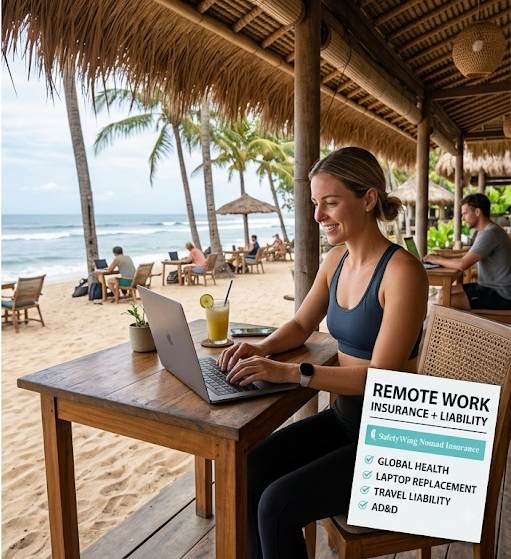
Remote work offers flexibility, convenience, and freedom from daily commuting, but it also introduces unique financial and professional risks. Whether you are a full-time remote employee, freelancer, consultant, or home-based business owner, choosing the best insurance for remote workers can help protect your income, equipment, health, and professional responsibilities.
The right coverage depends largely on your employment status, location, type of work, and the risks associated with your profession. Understanding these factors can help you avoid costly coverage gaps.
Why Remote Workers Need Insurance
Working from home does not eliminate everyday risks. A laptop could be damaged, confidential information could be compromised, or an accident could happen during working hours. Remote employees should first determine what protection their employer already provides before purchasing additional policies.
Freelancers and independent professionals generally have greater responsibility because they may not receive employer-sponsored health, accident, or business coverage. Their insurance needs can therefore be broader.
Health Insurance for Remote Workers
Health insurance is one of the most important forms of protection for remote professionals. Employer-sponsored health plans may provide useful benefits, but coverage can change when employment ends.
Independent workers should consider an individual health insurance policy that matches their healthcare requirements and budget. When comparing plans, examine hospitalization coverage, exclusions, waiting periods, network hospitals, deductibles, and renewal conditions.
For companies managing distributed teams, group health insurance can also provide medical protection for remote employees and, depending on the policy, their eligible family members.
Home Office and Equipment Coverage
A remote worker may depend on expensive laptops, monitors, smartphones, cameras, and other equipment. Standard home or renters insurance may provide limited protection for business equipment, but business-related coverage can be restricted or excluded depending on the policy.
If you operate a business from home, ask the insurer whether your policy covers professional equipment, business property, client visits, and work-related liability. Some insurers offer endorsements or separate business policies for home-based businesses.

Cyber Insurance for Remote Professionals
Cybersecurity is another major consideration when choosing insurance for remote work. Home Wi-Fi, cloud platforms, personal devices, email accounts, and online payment systems can create additional exposure.
Cyber insurance may help with certain costs associated with data breaches, cyberattacks, identity theft, cyber fraud, or other covered incidents. However, coverage varies considerably between policies, so carefully review exclusions, limits, deductibles, and security requirements before buying.
Professional Liability Insurance
Freelancers, consultants, designers, developers, marketers, accountants, and other service providers may benefit from professional liability insurance. This type of coverage can help protect against certain claims alleging professional mistakes, negligence, or failure to deliver services as expected.
If your work involves giving advice, managing client information, creating professional deliverables, or handling sensitive projects, professional liability deserves particular attention.
Personal Accident and Disability Protection
For independent remote workers, income can depend entirely on their ability to work. Personal accident or disability-related coverage can provide an additional financial safety net if an unexpected injury affects their ability to earn.
This is particularly important for freelancers without paid sick leave or employer-funded benefits.
How to Choose the Best Insurance for Remote Workers
Before buying an insurance plan, evaluate various key aspects:
- Coverage: Check exactly what risks are included.
- Exclusions: Understand what the insurer will not cover.
- Coverage limits: Make sure the maximum benefit is appropriate for your needs.
- Deductibles: Consider how much you would have to pay yourself.
- Employer coverage: Remote employees should identify existing workplace benefits.
- Work location: Confirm whether coverage applies when working from different cities or countries.
- Policy wording: Read the actual terms rather than relying only on advertisements.
The best insurance for remote workers is not necessarily one specific policy. Instead, it is a combination of coverage that matches your health, income, equipment, profession, and digital risks. Employees should coordinate personal protection with employer benefits, while freelancers and business owners may need a broader insurance strategy.
Most importantly, review your coverage regularly as your work arrangements, income, equipment, and professional responsibilities change. A carefully selected insurance plan can provide greater financial confidence while allowing you to enjoy the flexibility of remote work.
Freelancerson.com a Free Marketplace for Freelancers and Clients
Read Also: Job Seeker Website Portal