Architecture is more than the art of designing attractive buildings. The spaces where people live, work, study, and relax can influence emotions, behavior, concentration, comfort, and overall well-being. This connection between the built environment and human responses is closely studied through environmental psychology and architectural research. Research has indicated that characteristics like lighting, color, sound, spatial layout, natural scenery, and seclusion can impact both psychological and physiological reactions.
The Connection Between Architecture and Psychology
Every building creates an environment that people experience through their senses. A bright, spacious room may feel energetic and welcoming, while a dark, crowded, or noisy space can feel uncomfortable. Architecture can therefore influence how people perceive their surroundings and how they behave within them.
Research on the built environment suggests that factors such as crowding, noise, privacy, and the arrangement of furniture can affect psychological comfort and social interaction. Poor-quality environments may increase stress, while thoughtfully designed spaces can support restoration and a sense of control.
Natural Light and Emotional Well-Being
Lighting is one of the most important architectural elements affecting human experience. Large windows, skylights, and carefully positioned openings can bring natural daylight into interior spaces. Adequate daylight has been associated with better psychological outcomes, while insufficient daylight has been linked with increased depressive symptoms.
Natural light can also make rooms appear more open and pleasant. For workplaces, schools, and homes, thoughtful daylight design may contribute to a more comfortable and productive atmosphere.
Colors Can Influence Mood
Color plays an important psychological role in architecture and interior design. Different colors can create different visual impressions and emotional associations. Soft and warm tones may make certain spaces feel comfortable and relaxing, while brighter colors can create a more energetic atmosphere.
Nevertheless, color psychology should not be viewed as a one-size-fits-all solution. Individual experiences, cultural backgrounds, personal preferences, and the purpose of a room all influence how a person responds to color.
Space, Privacy, and Personal Control
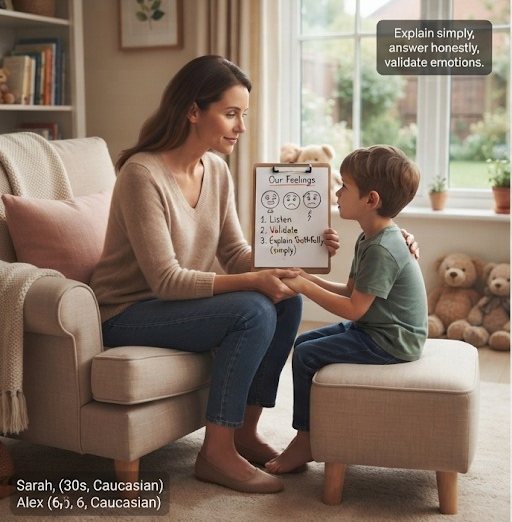
The size and arrangement of a space can strongly influence psychological comfort. People generally need a balance between social interaction and personal privacy. Buildings that provide quiet areas, private rooms, and flexible spaces can give occupants greater control over how they interact with others.
Recent research indicates that privacy and certain environmental characteristics can support basic psychological needs such as autonomy, competence, and relatedness.
Nature and Biophilic Architecture
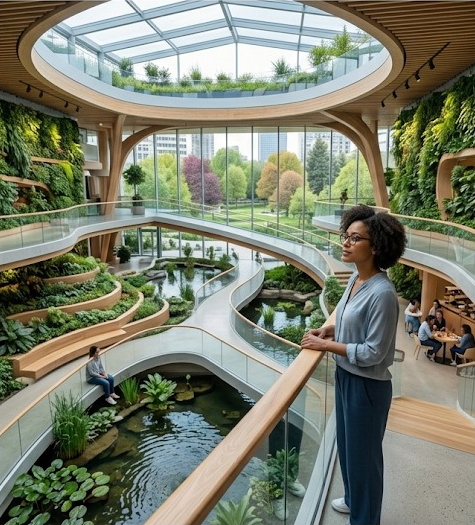
Humans often respond positively to natural elements. Plants, gardens, natural materials, water features, and views of greenery can make architectural spaces feel more restorative.
This approach, commonly associated with biophilic design, attempts to bring aspects of nature into the built environment. Research has found connections between biophilic environments and psychological experiences, although the strength of these effects can vary depending on the design and individual circumstances.
Noise and Architectural Comfort
Sound is another important but sometimes overlooked aspect of architecture. Continuous traffic noise, machinery, conversations, or poorly controlled acoustics can make concentration and relaxation difficult. Research on the built environment has associated excessive noise and crowding with increased psychological distress.
Architects can address these problems through appropriate room layouts, sound-absorbing materials, insulation, and separation of noisy and quiet areas.
Architecture and Productivity
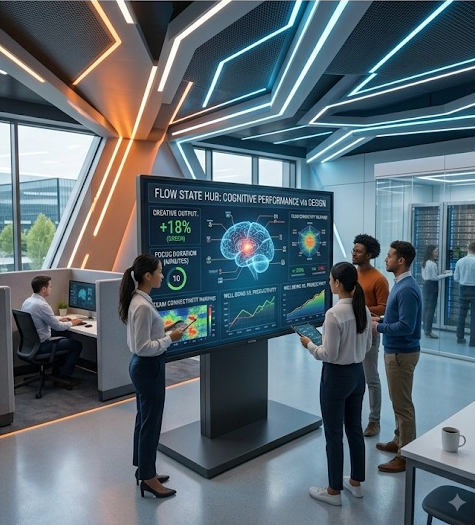
Workplaces designed around human needs can influence concentration, collaboration, and comfort. Access to daylight, suitable acoustics, comfortable temperatures, appropriate personal space, and flexible layouts can help create environments that support different types of work.
The goal is not simply to make an office look modern but to create an environment that supports the activities and psychological needs of its occupants.
Designing for Better Mental Well-Being
Modern architecture increasingly recognizes that buildings should support human well-being alongside functionality and appearance. Healthcare facilities, schools, offices, homes, and public spaces can benefit from designs that consider natural light, greenery, acoustics, privacy, accessibility, and user control.
Architecture cannot eliminate psychological problems on its own, but thoughtful design can create surroundings that reduce unnecessary environmental stress and encourage comfort and positive experiences.
The effects of architecture on human psychology demonstrate that buildings are active parts of everyday life rather than passive structures. Light, color, sound, nature, spatial organization, privacy, and material choices can all influence how people experience a place.
As architectural research continues to develop, the future of design is likely to place even greater emphasis on human-centered environments. By combining creativity with evidence-based principles, architects can create spaces that are not only visually appealing but also comfortable, functional, restorative, and supportive of human well-being.
Adolf Hitler Biography and His Brutality
What Is Middle East and Why Is It Called Middle East?
Read Also: Laravel Framework Web Development