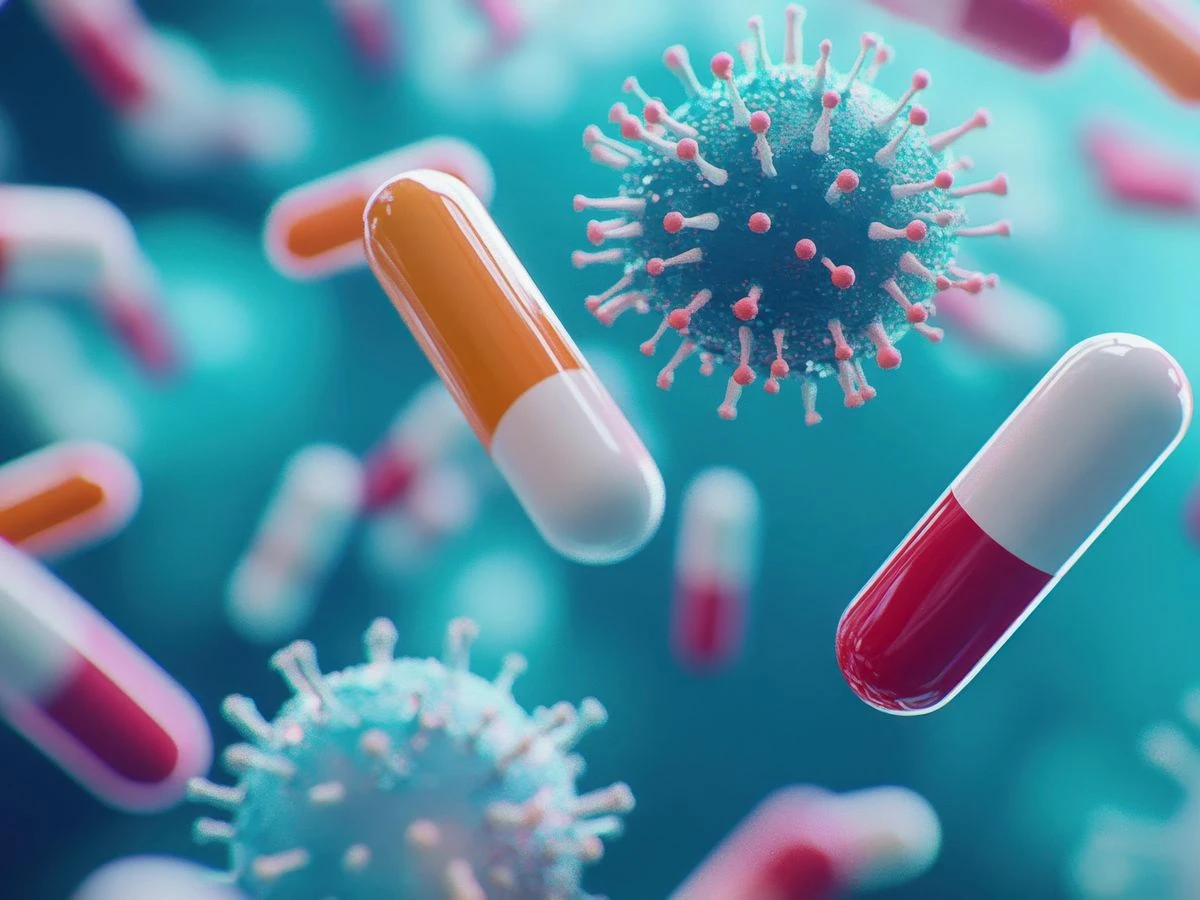
The antibiotics crisis is one of the most serious public health threats of the 21st century. Antibiotics, once considered miracle drugs, are losing their effectiveness due to widespread misuse and overuse. This alarming trend has led to the rapid rise of antibiotic resistance, making common infections harder—and sometimes impossible—to treat. Without urgent action, routine medical procedures and minor infections could once again become life-threatening.
What Is Antibiotic Resistance?
Antibiotic resistance occurs when bacteria evolve and develop the ability to defeat the drugs designed to kill them. This does not mean the human body becomes resistant; rather, the bacteria themselves change. Over time, resistant bacteria survive, multiply, and spread, rendering standard treatments ineffective.
Organizations like World Health Organization have repeatedly warned that antibiotic resistance is accelerating globally. Diseases such as pneumonia, tuberculosis, and foodborne infections are becoming increasingly difficult to treat due to reduced drug effectiveness.
Causes of the Antibiotics Crisis
1. Overuse and Misuse in Healthcare
One of the primary drivers of the antibiotics crisis is the inappropriate use of antibiotics in human medicine. Many people take antibiotics for viral infections like colds and flu, even though antibiotics do not work against viruses. In some cases, patients stop taking medication as soon as they feel better, rather than completing the prescribed course. This incomplete treatment allows some bacteria to survive and become resistant.
2. Overuse in Agriculture
Antibiotics are widely used in livestock farming to promote growth and prevent disease in crowded conditions. This practice contributes significantly to antibiotic resistance. Resistant bacteria from animals can spread to humans through food, water, and environmental contact.
3. Lack of New Antibiotics
Pharmaceutical innovation in antibiotic development has slowed dramatically. Developing new antibiotics is expensive and less profitable compared to drugs for chronic conditions. As a result, few new antibiotics are entering the market, leaving doctors with limited treatment options.
Global Impact of Antibiotic Resistance
The antibiotics crisis has severe health, economic, and social consequences. According to health experts, antibiotic-resistant infections already cause hundreds of thousands of deaths each year worldwide. If the trend continues, it could lead to millions of deaths annually in the coming decades.
Healthcare costs are also rising due to longer hospital stays, more intensive care, and the need for more expensive medications. Surgeries, chemotherapy, organ transplants, and childbirth procedures all rely on effective antibiotics to prevent infections. Without them, modern medicine is at risk.
Countries across the globe are feeling the impact. Both developed and developing nations face challenges in monitoring, controlling, and preventing antibiotic misuse.
The Role of Global Organizations
The Centers for Disease Control and Prevention and the United Nations have emphasized the urgent need for coordinated global action. International campaigns now focus on improving antibiotic stewardship, enhancing surveillance systems, and promoting research for new treatments.
Public awareness programs aim to educate people about responsible antibiotic use. Healthcare providers are encouraged to prescribe antibiotics only when necessary and to follow strict guidelines.
Solutions to Combat the Antibiotics Crisis
1. Responsible Antibiotic Use
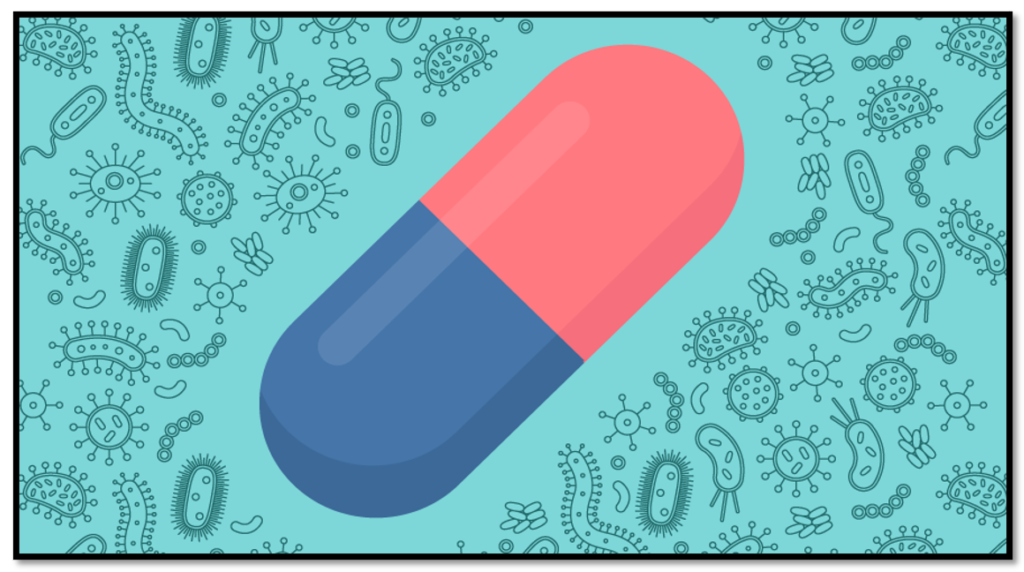
Patients should only take antibiotics when prescribed by a qualified healthcare professional. Completing the full course of treatment is essential, even if symptoms improve early. Avoid sharing antibiotics or using leftover medication.
2. Improved Infection Prevention
Good hygiene practices, vaccination, safe food preparation, and clean water access can significantly reduce infections and decrease the need for antibiotics.
3. Investment in Research and Innovation
Governments and private sectors must invest in developing new antibiotics, alternative therapies, and rapid diagnostic tools. Encouraging innovation through incentives and funding can help address the shortage of effective drugs.
4. Stronger Regulations in Agriculture
Reducing antibiotic use in livestock and promoting responsible farming practices can minimize the spread of resistant bacteria.
The antibiotics crisis is a silent but escalating global threat. Antibiotic resistance undermines decades of medical progress and puts millions of lives at risk. Immediate action from governments, healthcare providers, industries, and individuals is crucial. By promoting responsible antibiotic use, investing in research, and strengthening global cooperation, we can slow the spread of resistance and protect the effectiveness of life-saving medicines for future generations.
The fight against antibiotic resistance is not optional—it is essential for the survival of modern healthcare systems worldwide.
What Happens After the Death of a Human
Read Also : Html Static Website Design