
Acne scars can be frustrating reminders of past breakouts, often affecting confidence and overall skin appearance. Fortunately, modern skincare and medical advancements offer a wide range of solutions to reduce or even eliminate these scars. Understanding the causes, types, and best treatments for acne scar removal can help you achieve smoother, healthier-looking skin.
What Causes Acne Scars?
Acne scars form when inflamed blemishes damage the skin tissue beneath the surface. When the body attempts to heal, it produces either too much or too little collagen. Excess collagen leads to raised scars, while insufficient collagen results in depressed or pitted scars. Picking or squeezing acne can worsen this damage, increasing the likelihood of permanent scarring.
Types of Acne Scars
Before choosing a treatment, it’s important to identify the type of acne scars you have:
- Atrophic Scars: These are depressed scars and include ice pick, boxcar, and rolling scars.
- Hypertrophic Scars: Raised scars caused by excess collagen production.
- Post-Inflammatory Hyperpigmentation (PIH): Dark spots left after acne heals, often mistaken for scars.
Each type requires a different approach for effective removal.
Top Acne Scar Removal Treatments

1. Laser Therapy
Laser treatments are among the most effective methods for reducing acne scars. They work by removing damaged skin layers and stimulating collagen production. Fractional lasers, in particular, target deeper layers without harming surrounding tissue.
2. Chemical Peels
Chemical peels use acids like glycolic or salicylic acid to exfoliate the skin and promote regeneration. They are especially useful for mild scars and pigmentation issues, improving skin texture over time.
3. Microneedling
Microneedling involves tiny needles that create micro-injuries in the skin, triggering natural healing and collagen production. This treatment is effective for reducing the appearance of atrophic scars.
4. Dermal Fillers
For deep, depressed scars, dermal fillers can provide immediate results by lifting the skin surface. Though temporary, they offer a quick improvement in skin appearance.
5. Microdermabrasion
This non-invasive treatment gently exfoliates the outer layer of skin, helping reduce mild scars and discoloration. It requires multiple sessions for noticeable results.
Natural Remedies for Acne Scars
While medical treatments are more effective, some natural remedies can help lighten scars:
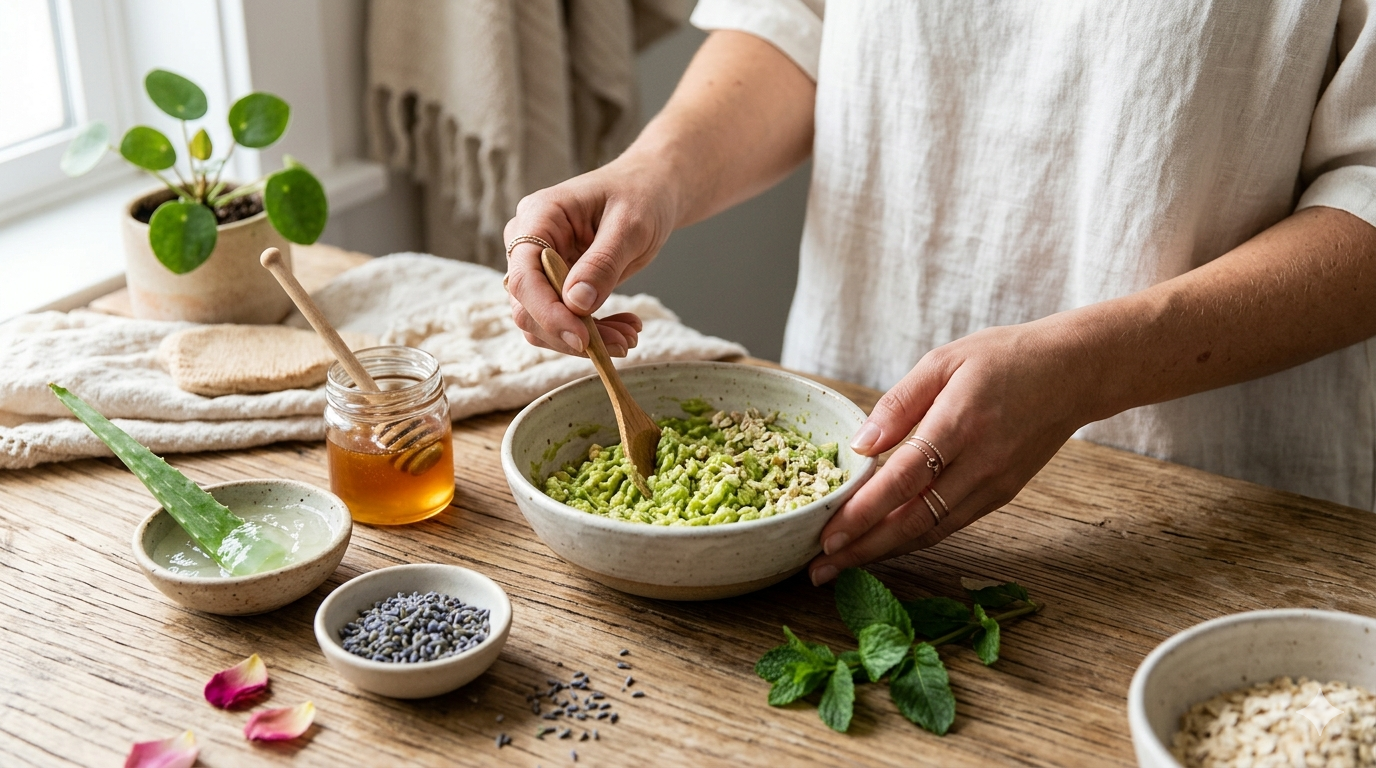
- Aloe Vera: Known for its healing properties, it can soothe skin and reduce inflammation.
- Lemon Juice: Contains natural acids that help lighten dark spots (use with caution to avoid irritation).
- Honey: A natural moisturizer that aids in skin repair.
Consistency is key when using natural remedies, and results may take time.
Preventing Acne Scars
Prevention is always better than cure. Here are some tips to avoid acne scars:
- Avoid picking or popping pimples
- Use sunscreen daily to prevent darkening of scars
- Treat acne early with proper skincare
- Keep your skin hydrated and clean
Choosing the Right Treatment
The best acne scar removal method depends on your skin type, scar severity, and budget. Consulting a dermatologist is highly recommended for a personalized treatment plan. Combining treatments often yields better results than relying on a single method.
Acne scars don’t have to be permanent. With the right combination of professional treatments and proper skincare, you can significantly reduce their appearance and regain smooth, radiant skin. Whether you opt for advanced procedures like laser therapy or natural remedies, consistency and patience are essential for achieving the best results.
Liver Cancer Symptoms Cause and Remedy
Read Also: Medical Website Design