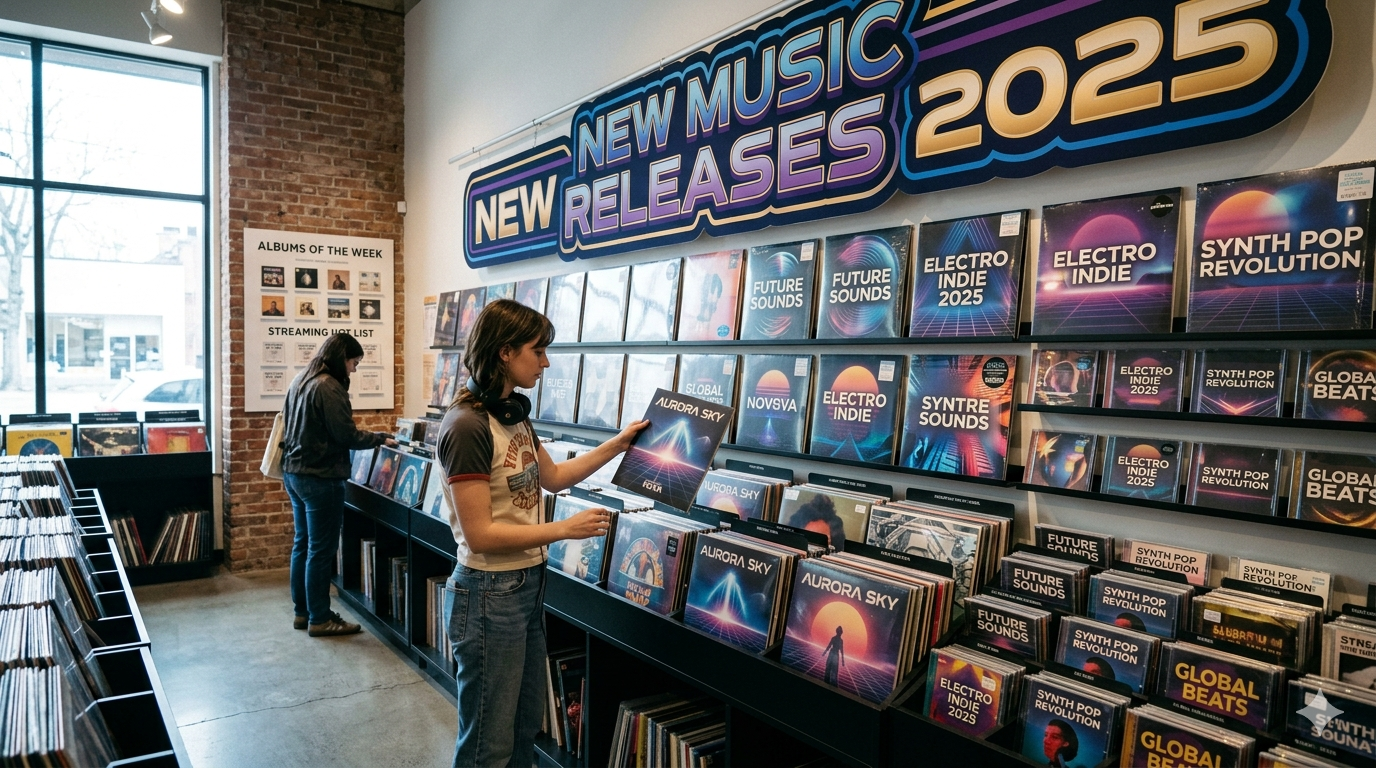
For years, digital streaming seemed destined to make physical music formats disappear. With millions of songs available instantly through smartphones, listeners no longer needed shelves filled with albums. Yet vinyl records have made an unexpected comeback. The vinyl record renaissance is transforming the way people experience music, proving that convenience is not the only factor that matters to modern listeners.
The Surprising Return of Vinyl Records
Vinyl was once considered an outdated format, but its popularity has steadily increased for nearly two decades. According to the Recording Industry Association of America (RIAA), U.S. vinyl revenue exceeded $1 billion in 2025, with 46.8 million records sold. Vinyl also continued to outperform CDs in physical music revenue.
Globally, the trend is equally impressive. The International Federation of the Phonographic Industry (IFPI) reported that vinyl revenue increased by 13.7% in 2025, marking its 19th consecutive year of growth.
These numbers demonstrate that vinyl is no longer simply a nostalgic product for older music fans. It has become a growing part of contemporary music culture.
Why Listeners Are Choosing Vinyl
One major reason behind the vinyl record renaissance is the desire for a more meaningful listening experience. Streaming makes music incredibly accessible, but that convenience can also make listening feel temporary. A vinyl record, by comparison, requires physical interaction.
Listeners choose a record, remove it from its sleeve, place it on a turntable, and carefully lower the needle. The process encourages people to slow down and focus on the album rather than constantly skipping between songs.
For many music lovers, this ritual creates an emotional connection that digital playlists cannot easily reproduce.
Vinyl Offers More Than Music
A vinyl album is also a physical piece of art. Large album covers provide space for photography, illustrations, lyrics, credits, and creative packaging. Limited-edition pressings, colored vinyl, special artwork, and anniversary releases have made records attractive collector’s items.
This collectible quality is particularly important in an era when digital music provides almost nothing tangible to own. A streaming subscription offers access, while a vinyl record gives fans something they can display, preserve, and associate with a particular period of their lives.
The Role of Younger Music Fans
The resurgence is not limited to people who remember vinyl from its original popularity. Younger listeners have also discovered the appeal of physical music.
For new collectors, buying vinyl can feel like participating in a cultural movement. Artists and record labels have responded by releasing new albums on vinyl alongside digital versions, often introducing exclusive editions designed for dedicated fans.
This has helped connect modern music culture with the history of recorded sound.
Streaming Still Dominates Music Consumption

Despite vinyl’s impressive growth, it would be inaccurate to say that vinyl has completely defeated digital streaming. Streaming remains the dominant source of recorded music revenue. In the U.S., streaming generated $9.5 billion in 2025 and represented 82% of total recorded-music revenue.
Globally, streaming also remained the primary engine of music-industry growth in 2025, while physical formats experienced a notable rebound.
Therefore, the real story is not necessarily vinyl replacing streaming. Instead, listeners are increasingly using both formats for different purposes.
A New Balance Between Digital and Physical Music
Streaming is ideal for discovering new artists, creating playlists, and accessing music anywhere. Vinyl, meanwhile, offers ownership, nostalgia, artwork, and a deliberate listening ritual.
This combination may define the future of music consumption. People can use streaming for convenience while purchasing vinyl albums from their favorite artists when they want a deeper connection.
The Future of the Vinyl Renaissance
The vinyl record renaissance shows that technological progress does not always eliminate older formats. Sometimes, it creates space for them to return with a new purpose.
Vinyl may never match streaming’s enormous scale, but its continued growth demonstrates that music is more than an audio file. For many listeners, the physical record represents memories, craftsmanship, collecting, and the pleasure of slowing down.
As streaming continues to dominate everyday listening, vinyl is likely to remain an important part of music culture—not as a replacement for digital technology, but as a valuable physical experience alongside it.
Indian Classical Music Instruments
Read Also: Laravel Framework Web Development