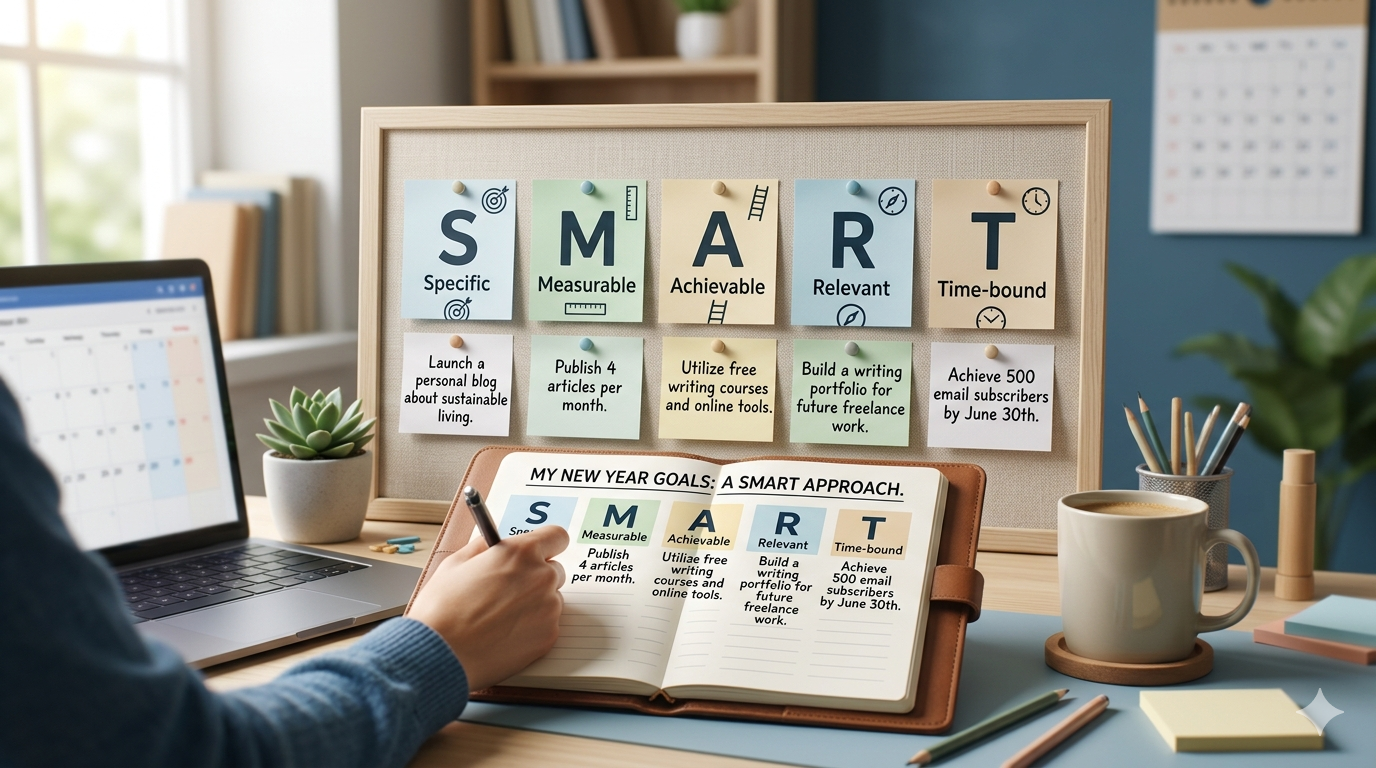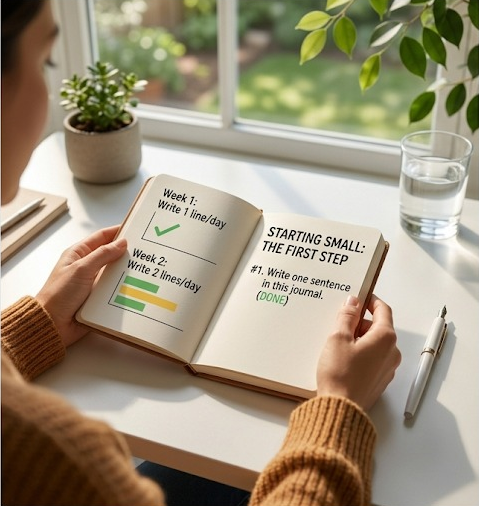
Creating positive habits does not always require a complete lifestyle transformation. In fact, starting small with habit psychology can be one of the most effective ways to create lasting behavioral change. Instead of setting overwhelming goals, small actions make improvement feel achievable, repeatable, and rewarding. Understanding how habits work can help you develop routines that naturally fit into everyday life.
What Is Habit Psychology?
Habit psychology explores how repeated behaviors become automatic over time. Many daily actions, such as checking your phone, brushing your teeth, exercising, or preparing coffee, happen with little conscious thought.
A habit generally develops through a cycle involving a cue, behavior, and reward. A cue triggers an action, the behavior is performed, and the reward provides a reason for the brain to repeat it. By understanding this cycle, you can intentionally create healthier routines and reduce behaviors that no longer serve your goals.
Why Starting Small Works
Large goals can feel exciting at first, but they may quickly become difficult to maintain. Deciding to exercise for an hour every day, read fifty pages each night, or completely change your diet can create unnecessary pressure.
Starting with a smaller action lowers the mental barrier. Instead of exercising for an hour, you might begin with five minutes. Rather than reading an entire chapter, read two pages. These small actions might seem unimportant, but by consistently repeating them, stronger habits can be developed over time.
Small habits also create a sense of progress. Each successful repetition reinforces the belief that you are capable of maintaining the behavior.
The Power of Consistency
Consistency is often more valuable than intensity when building habits. Performing a small action regularly gives your brain repeated opportunities to associate a particular situation with a specific behavior.
For example, drinking a glass of water after waking up can become easier when it is connected to an existing morning routine. Eventually, the action may require less conscious effort.
The goal is not to achieve perfection. Missing a day does not mean the habit has failed. The important step is returning to the routine rather than allowing one missed opportunity to become a permanent break.
Connect New Habits to Existing Routines

One useful habit-building technique is to attach a new behavior to something you already do. This approach is sometimes called habit stacking.
For instance, if you already make coffee every morning, you could use that moment as a reminder to spend two minutes planning your day. If you regularly brush your teeth before bed, you could follow it with a short stretching routine.
Existing routines provide natural cues, making new behaviors easier to remember.
Make Good Habits Easier
Your environment can strongly influence your behavior. If you want to read more, keep a book somewhere visible. If you want to exercise in the morning, prepare your workout clothes the night before.
At the same time, make unwanted habits less convenient. Reducing notifications or keeping distracting apps away from your home screen can create additional space between you and an impulsive behavior.
The easier a positive habit is to start, the more likely you are to repeat it.
Track Progress Without Creating Pressure
Habit tracking can provide useful motivation. A simple calendar, notebook, or digital tracker can help you see how consistently you are following a routine.
However, tracking should support your behavior rather than create stress. Focus on gradual improvement instead of maintaining a perfect streak. Your objective is to develop a sustainable lifestyle, not to win a competition against yourself.
Starting small with habit psychology provides a practical approach to personal growth. By choosing manageable actions, connecting them to existing routines, improving your environment, and focusing on consistency, you can gradually build habits that last.
Successful change rarely happens overnight. Small actions repeated regularly can become powerful behaviors, helping you move toward bigger goals without unnecessary pressure. The best time to begin is with one simple habit that you can realistically repeat today.
Read Also: Laravel Framework Web Development