Growing microgreens and herbs indoors is one of the easiest and most rewarding ways to enjoy fresh, nutritious, and flavorful greens throughout the year. Whether you have a spacious home or a small apartment, indoor gardening allows you to harvest healthy ingredients without needing a large outdoor garden. With minimal equipment and a little care, you can successfully grow fresh microgreens and aromatic herbs right on your windowsill or kitchen counter.
Why Grow Microgreens and Herbs Indoors?
Indoor gardening offers several benefits beyond convenience. Freshly harvested greens retain more nutrients and flavor than store-bought alternatives that may have spent days in transit. Growing your own food also reduces packaging waste, saves money over time, and gives you complete control over how your plants are grown.
Microgreens, such as broccoli, radish, sunflower, and pea shoots, are packed with vitamins, minerals, and antioxidants. Herbs like basil, mint, parsley, cilantro, thyme, and oregano provide fresh flavor while offering various health benefits.
Choosing the Best Microgreens and Herbs
Beginners should start with varieties that germinate quickly and require little maintenance.
Popular microgreens include:
- Broccoli
- Radish
- Mustard
- Pea shoots
- Sunflower
Easy-to-grow herbs include:
- Basil
- Mint
- Chives
- Parsley
- Cilantro
- Dill
These plants adapt well to indoor conditions and produce multiple harvests with proper care.
Essential Supplies for Indoor Growing
You don’t need expensive equipment to start an indoor garden. Basic supplies include:
- Shallow growing trays or small pots
- Quality potting soil or coconut coir
- High-quality seeds
- Spray bottle or watering can
- LED grow light or a sunny window
- Drainage trays
Using clean containers and fresh growing medium helps prevent mold and diseases while encouraging healthy plant growth.
How to Grow Microgreens Successfully
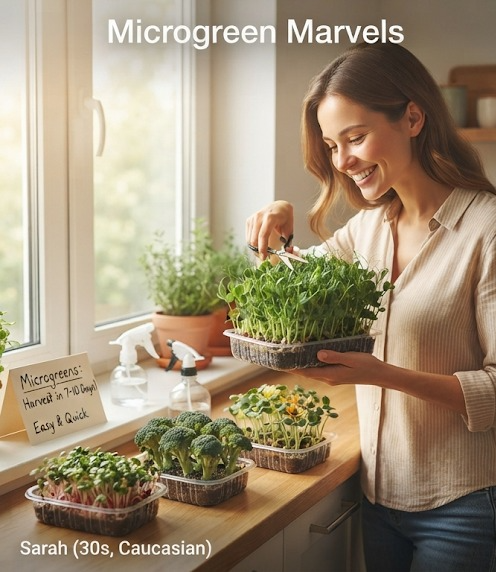
Begin by filling a shallow tray with moist growing medium. Evenly spread the seeds across the surface without overcrowding. Gently push them into the ground and spray with water.
Cover the tray for the first few days to encourage germination. Once sprouts appear, remove the cover and place the tray under bright light for 12–16 hours daily. Maintain a steady level of moisture in the soil, while being careful not to water excessively.
Most microgreens are ready for harvest within 7 to 14 days. Simply cut them just above the soil line using clean scissors.
Growing Fresh Herbs Indoors
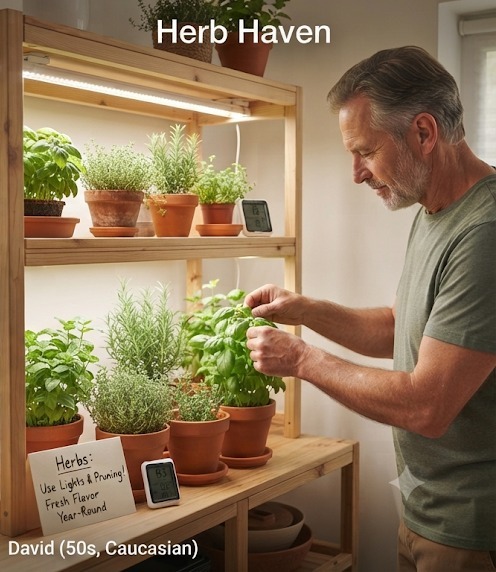
Herbs require slightly deeper containers than microgreens because they develop larger root systems. Plant each herb in well-draining soil and place the containers where they receive at least six hours of sunlight daily. If natural light is limited, use an LED grow light.
Water herbs only when the top inch of soil feels dry. Pruning on a regular basis promotes denser growth and stops plants from getting too tall and sparse. Harvest leaves frequently but avoid removing more than one-third of the plant at a time.
Tips for Healthy Indoor Plants
Maintaining the right environment is essential for successful indoor gardening. Ensure good air circulation to reduce humidity and minimize fungal problems. Rotate containers regularly so plants receive even light exposure.
Avoid excessive watering, as soggy soil can cause root rot. Clean trays and tools between planting cycles to prevent disease buildup. Feeding herbs with a diluted organic fertilizer every few weeks can also improve growth.
Enjoy Fresh Harvests All Year
Growing microgreens and herbs indoors is an enjoyable hobby that provides continuous access to fresh, healthy ingredients regardless of the season. From adding crisp microgreens to salads and sandwiches to enhancing meals with fragrant herbs, your indoor garden can elevate both your cooking and your overall well-being.
With a small investment of time and simple supplies, anyone can create a thriving indoor garden. Start with a few easy varieties, follow consistent care practices, and enjoy the satisfaction of harvesting nutritious greens directly from your home every week.
India’s Agricultural Exports Opportunities and Challenges
Read Also: Exploring Opportunities in the Farming Industry