Travel is one of the best ways to experience new cultures, discover breathtaking landscapes, and create unforgettable memories. However, tourism can also have negative consequences when visitors ignore the needs of local communities. Overcrowding, environmental damage, rising living costs, and cultural disrespect can turn popular destinations into places where residents struggle to maintain their way of life.
Responsible travel is about making thoughtful choices that benefit both travelers and the places they visit. By respecting local traditions, supporting small businesses, and minimizing environmental impact, you can enjoy meaningful experiences while helping communities thrive.
What Is Responsible Travel?
Responsible travel means exploring destinations in a way that protects the environment, respects local cultures, and contributes positively to the local economy. Responsible travelers don’t just think about their own pleasure; they also take into account the impact of their behavior on the communities and destinations they explore.
This approach encourages sustainable tourism practices such as reducing waste, conserving natural resources, and supporting locally owned businesses. It ensures that future generations can enjoy the same beautiful destinations without harming the communities that call them home.
Respect Local Culture and Traditions
Every destination has unique customs, traditions, and social norms. Taking the time to learn about them before your trip demonstrates respect and helps you avoid unintentional offenses.
Dress appropriately when visiting religious or cultural sites, ask permission before photographing people, and follow local etiquette. Even learning a few words in the local language, such as greetings or thank-you phrases, can create positive interactions and show appreciation for the community.
Respecting local culture also means avoiding activities that exploit traditions simply for entertainment. Authentic cultural experiences should celebrate local heritage rather than commercialize it.
Support Local Businesses
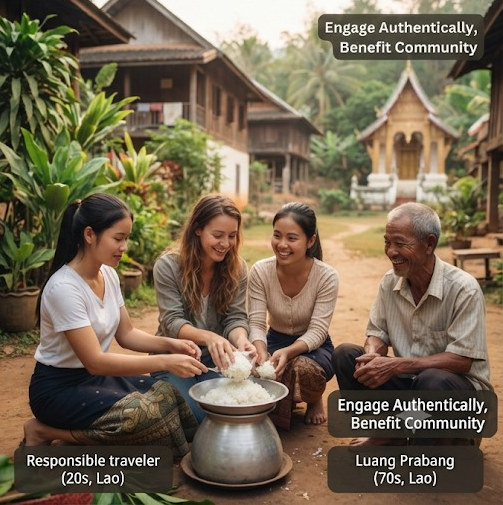
One of the most effective ways to travel responsibly is by spending your money within the local community. Choose family-owned hotels, local restaurants, neighborhood cafés, and independent tour guides whenever possible.
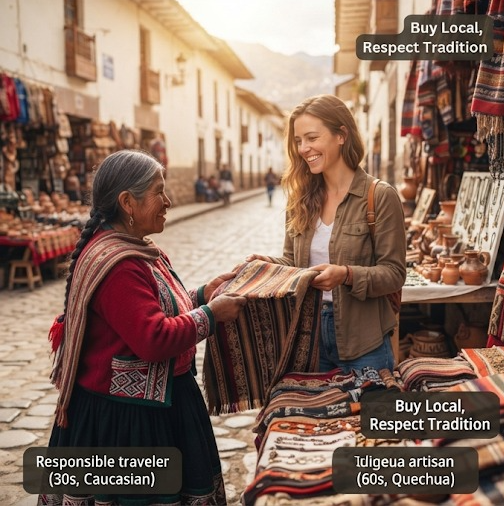
Buying handmade crafts directly from local artisans helps preserve traditional skills while providing income to families. Instead of purchasing imported souvenirs, look for products made locally using sustainable materials.
Supporting local businesses ensures that tourism revenue remains in the destination rather than flowing to large international corporations.
Reduce Your Environmental Impact
Environmental conservation is an essential part of responsible tourism. Simple habits can significantly reduce your travel footprint.
Carry a reusable water bottle, shopping bag, and reusable utensils to minimize plastic waste. Choose public transportation, cycling, or walking whenever possible instead of relying on private vehicles.
Stay on marked hiking trails, avoid disturbing wildlife, and never remove natural objects such as shells, coral, or plants from protected areas. These small actions help preserve ecosystems for future visitors and local residents.
Avoid Contributing to Overtourism
Many famous destinations struggle with overtourism, where the number of visitors exceeds what the local infrastructure and environment can handle. This often leads to crowded streets, increased pollution, and higher living costs for residents.
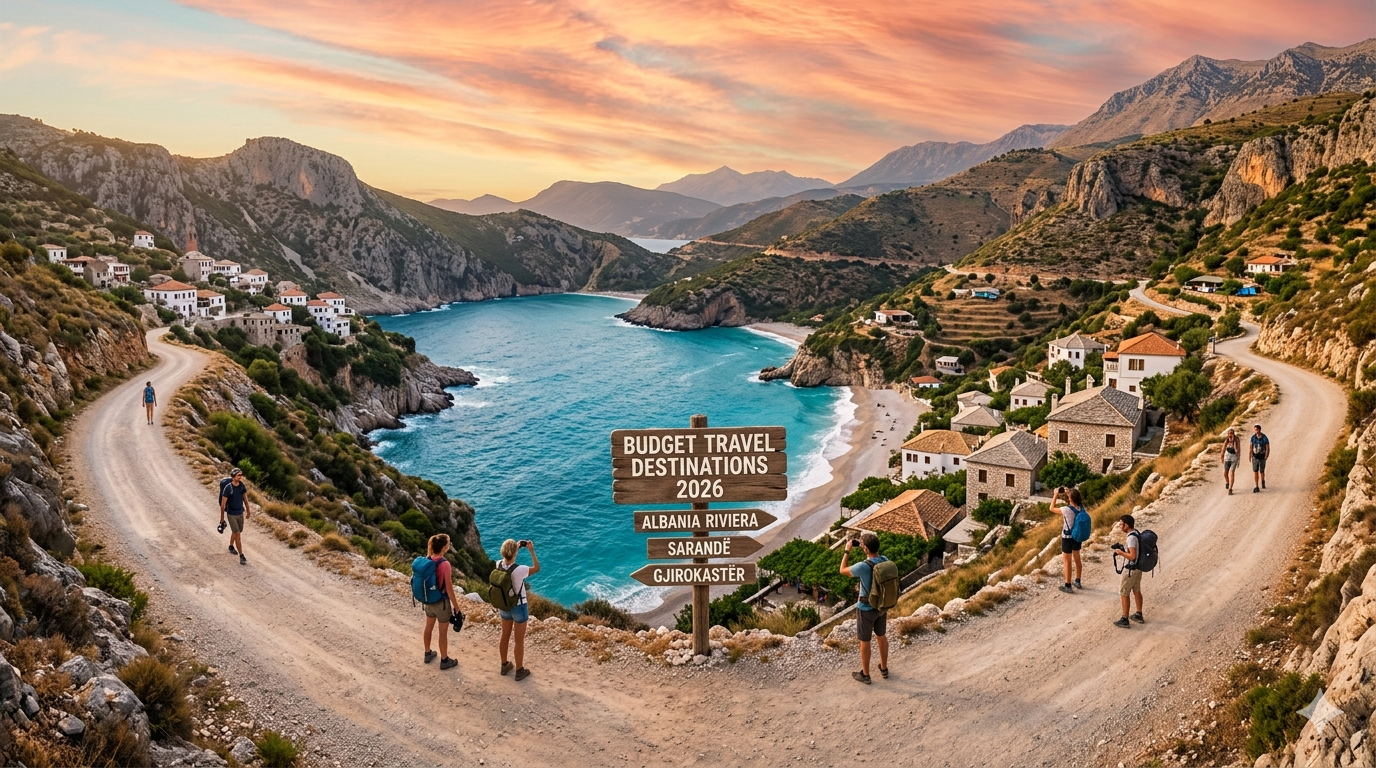
Consider visiting during the off-season or exploring lesser-known destinations nearby. Not only will you enjoy a more peaceful experience, but you’ll also distribute tourism benefits across different communities.
Choosing alternative destinations helps reduce pressure on heavily visited locations while introducing travelers to hidden cultural and natural gems.
Be a Respectful Guest
Treat every destination as if you were visiting someone’s home. Keep noise levels low, dispose of waste properly, and respect private property.
Follow local rules regarding public behavior, photography, and environmental protection. If a community asks visitors not to enter certain areas or participate in specific activities, respect those wishes.
Responsible travelers understand that preserving local quality of life is just as important as enjoying their vacation.
Travel has the power to connect people, preserve cultures, and strengthen local economies when approached responsibly. Every decision—from where you stay and eat to how you interact with residents—can make a positive difference.
By respecting local traditions, supporting small businesses, reducing waste, and avoiding overtourism, you become more than just a visitor. You become a traveler who helps protect destinations for future generations while ensuring local communities continue to thrive.
Responsible travel isn’t about sacrificing comfort or adventure—it’s about creating meaningful experiences that benefit everyone involved.
India’s Secret Beaches That Offer Peace and Serenity
Top Beaches in India for Solitude and Spiritual Freedom
Read More: Tours And Travels Website Design