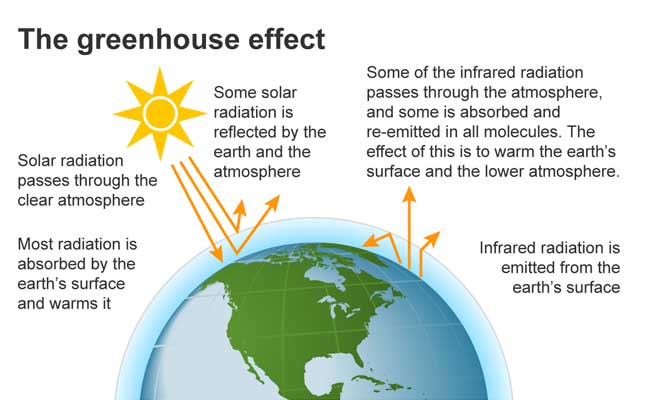
The internet has transformed the way we work, learn, shop, and communicate. While digital technology often seems environmentally friendly because it reduces paper use and travel, every online activity consumes electricity. Data centers, cloud storage, streaming services, and connected devices all contribute to carbon emissions. As billions of people spend more time online, reducing your individual digital carbon footprint has become an important part of living sustainably. By making a few mindful changes to your digital habits, you can help conserve energy, lower emissions, and create a healthier planet for future generations.
What Is a Digital Carbon Footprint?
A digital carbon footprint refers to the greenhouse gas emissions generated by your online activities and electronic devices. Every email sent, video streamed, file stored in the cloud, or website visited requires servers and networks that consume electricity. If the energy powering these systems comes from fossil fuels, carbon dioxide is released into the atmosphere.
Although a single online action may seem insignificant, millions of similar activities occurring every second create a considerable environmental impact. Understanding this hidden footprint is the first step toward making more sustainable digital choices.
Why Reducing Your Digital Carbon Footprint Matters
Digital technology accounts for a growing share of global electricity consumption. As internet usage continues to increase, so does the demand for data storage, cloud computing, and high-speed networks. Reducing unnecessary digital consumption helps decrease energy demand while encouraging businesses to invest in greener technologies.
Lowering your digital carbon footprint also benefits you by improving device performance, reducing electricity bills, extending hardware lifespan, and promoting responsible technology use.
Simple Ways to Reduce Your Individual Digital Carbon Footprint
1. Limit Unnecessary Email Storage
Thousands of unread emails occupy valuable server space. Delete old newsletters, spam messages, and duplicate files regularly. Unsubscribe from mailing lists you no longer read to reduce future digital waste.
2. Stream Videos Wisely
High-definition and 4K streaming require significantly more data than standard-definition videos. Choose lower resolutions when high quality is unnecessary, especially for background videos or educational content.
3. Clean Up Cloud Storage
Many users store duplicate photos, videos, and documents across multiple cloud platforms. Organize and delete unnecessary files to reduce storage requirements and lower the energy used by data centers.

4. Extend the Life of Your Devices
Manufacturing smartphones, laptops, and tablets produces substantial carbon emissions. Instead of upgrading every year, maintain your devices with software updates, battery care, and proper repairs whenever possible.
5. Turn Off Unused Electronics
Switch off computers, monitors, gaming consoles, and chargers when they are not in use. Even standby mode consumes electricity over time. Enabling power-saving settings further reduces energy consumption.
6. Use Energy-Efficient Devices
When purchasing new electronics, choose models with energy-efficient certifications. Modern devices often consume less power while delivering better performance, helping reduce long-term environmental impact.
Adopt Sustainable Digital Habits
Developing environmentally responsible online habits can make a meaningful difference. Download frequently watched content instead of streaming repeatedly. Reduce unnecessary video calls by switching to audio when appropriate. Compress large files before sharing them, and avoid sending oversized attachments when a simple link will work.
Using Wi-Fi instead of mobile data whenever possible may also improve energy efficiency, depending on network infrastructure.
Support Green Technology
Many technology companies are investing in renewable energy, carbon-neutral operations, and sustainable infrastructure. Consider using services from organizations that publicly commit to reducing emissions and improving environmental responsibility. Supporting eco-conscious businesses encourages wider adoption of green technology across the industry.
Encourage Others to Take Action
Reducing your digital carbon footprint becomes even more effective when shared with family, friends, and coworkers. Encourage responsible device usage, promote digital cleanup days, and educate others about the environmental impact of online activities. Small collective actions can create significant long-term environmental benefits.
Reducing your individual digital carbon footprint does not require drastic lifestyle changes. Simple actions such as deleting unnecessary files, limiting excessive streaming, extending device lifespan, and adopting energy-efficient habits can significantly reduce your environmental impact. Every online decision contributes to a larger global picture. By embracing sustainable digital practices today, you help conserve resources, reduce carbon emissions, and support a cleaner, greener future for everyone. Start making smarter digital choices today, and let your everyday online activities become part of the solution rather than the problem.
Andaman and Nicobar Islands Forests
Tours And Travels Website Design