
Relationships bring happiness, emotional support, and companionship, but they can also trigger fear and uncertainty. If you constantly worry about your partner’s feelings, overthink conversations, or fear abandonment, you may be experiencing relationship anxiety. The good news is that relationship anxiety can be managed with the right mindset and healthy habits.
In this guide, you’ll learn how to manage relationship anxiety successfully, understand its causes, and discover practical strategies to build a stronger and more confident relationship.
What Is Relationship Anxiety?
Relationship anxiety is the persistent fear or worry about the stability, future, or quality of a romantic relationship. It does not automatically indicate that your relationship is unhealthy. Often, these anxious feelings come from past experiences, low self-esteem, attachment styles, or fear of rejection.
While occasional concerns are normal, constant anxiety can affect communication, trust, and emotional well-being if left unaddressed.
Common Signs of Relationship Anxiety
Recognizing the symptoms is the first step toward managing them. Some common signs include:
- Constantly seeking reassurance from your partner.
- Overthinking texts, calls, or conversations.
- Fear of being abandoned or replaced.
- Feeling jealous without clear reasons.
- Doubting your partner’s love despite evidence.
- Being overly concerned about the future of the relationship.
If these feelings occur frequently, it’s important to address them before they create unnecessary stress.
What Causes Relationship Anxiety?
Various elements can lead to feelings of anxiety within a relationship, such as:
Past Relationship Trauma
Previous heartbreaks, betrayal, or emotional abuse can make it difficult to trust again.
Low Self-Esteem
People who struggle with self-worth often fear they are not good enough for their partner.
Insecure Attachment Style
Childhood experiences and early emotional bonds may influence how secure you feel in adult relationships.
Fear of Rejection
Many individuals worry that their partner will lose interest or leave them, even without evidence.
Understanding the root cause helps you respond to anxiety rather than react emotionally.
Effective Ways to Manage Relationship Anxiety
Practice Open Communication
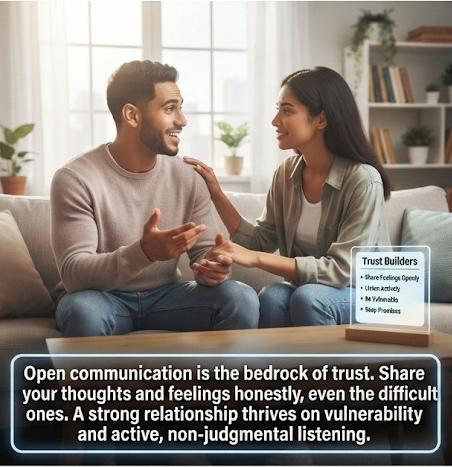
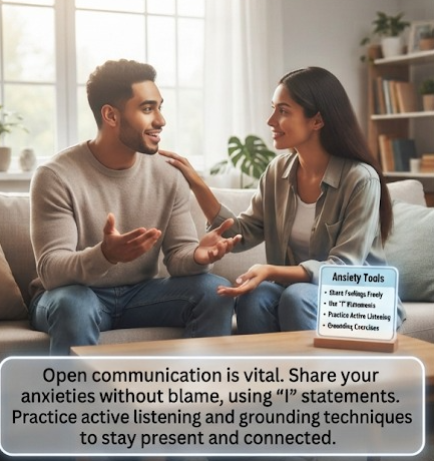
Honest communication is one of the best ways to reduce relationship anxiety. Share your feelings calmly without blaming your partner. Healthy conversations create understanding and strengthen emotional intimacy.
Challenge Negative Thoughts
Anxiety often creates worst-case scenarios that aren’t based on facts. Before believing anxious thoughts, ask yourself:
- Is there actual evidence?
- Am I making assumptions?
- Could there be another explanation?
Replacing irrational thoughts with realistic ones helps reduce emotional stress.
Focus on Self-Confidence
A healthy relationship begins with a healthy relationship with yourself. Build confidence by:
- Practicing self-care.
- Learning new skills.
- Maintaining hobbies.
- Celebrating personal achievements.
The more secure you feel individually, the less dependent you’ll become on constant reassurance.
Avoid Constant Reassurance Seeking
Frequently asking your partner if they still love you may temporarily ease anxiety but can eventually create emotional pressure. Instead, learn to trust their actions and consistent behavior.
Stay Present
Relationship anxiety frequently centers on scenarios involving “what if.” Mindfulness techniques, meditation, and deep breathing help keep your attention on the present moment rather than imagined future problems.
Build Healthy Relationship Habits
Strong relationships thrive on trust, respect, and emotional balance. Consider these healthy habits:
- Spend quality time together.
- Respect each other’s independence.
- Support personal growth.
- Resolve conflicts calmly.
- Celebrate small moments of appreciation.
These habits strengthen emotional security over time.
Set Realistic Expectations
No relationship is perfect. Every couple experiences disagreements, misunderstandings, and difficult moments. Expecting perfection often increases anxiety unnecessarily.
Accept that healthy relationships involve growth, compromise, and continuous learning.
Know When to Seek Professional Help
If feelings of anxiety in relationships start impacting your mental well-being or everyday activities, consulting with a professional therapist can be very helpful. Therapy helps identify underlying causes, improve coping strategies, and strengthen communication skills.
Seeking help is a positive step toward creating healthier relationships.
Learning how to manage relationship anxiety successfully takes patience, self-awareness, and consistent effort. By improving communication, challenging anxious thoughts, building self-confidence, and developing healthy relationship habits, you can reduce unnecessary worries and enjoy a more fulfilling partnership.
Remember, love grows through trust—not fear. Focus on what is happening in the present, communicate openly, and give both yourself and your relationship the space to grow naturally. Over time, you’ll build greater emotional security and create a relationship based on confidence, understanding, and mutual respect.
Private Places for Couples in Kolkata
Read Also: Adult Toys Website Design