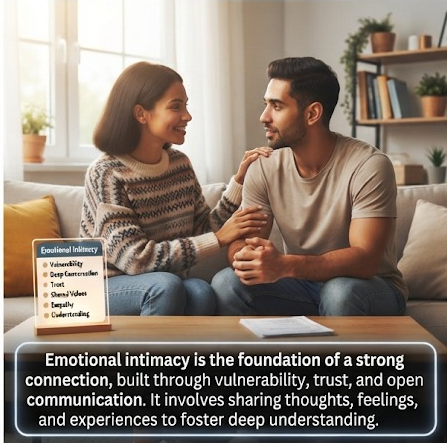
Love is one of the most powerful emotions, but not everyone expresses or receives it in the same way. This is where the concept of the 5 love languages becomes valuable. Understanding these love languages can strengthen relationships, improve communication, and help partners, friends, and family members feel truly appreciated.
In this article, we will explain what the 5 love languages are, how each one works, and why understanding them can lead to healthier and happier relationships.
What Are the 5 Love Languages?
The 5 love languages are five different ways people express and experience love. The concept suggests that each person has one or two primary love languages that make them feel the most valued and connected.
When you understand your own love language and that of your partner or loved ones, it becomes easier to build trust, avoid misunderstandings, and create stronger emotional bonds.
1. Words of Affirmation
People whose primary love language is Words of Affirmation feel loved through kind, encouraging, and sincere words. Compliments, appreciation, and verbal support have a lasting impact on them.
Examples include:
- Saying “I love you” regularly.
- Giving genuine compliments.
- Writing heartfelt notes or messages.
- Expressing gratitude for their efforts.
Simple phrases like “I’m proud of you” or “You mean so much to me” can brighten their day and strengthen the relationship.
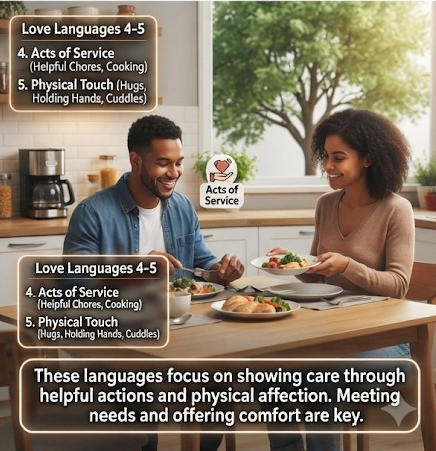
2. Acts of Service
For some people, actions truly speak louder than words. Those with Acts of Service as their love language appreciate thoughtful gestures that make life easier.
Examples include:
- Cooking their favorite meal.
- Helping with household chores.
- Running errands.
- Supporting them during stressful times.
These acts demonstrate care, commitment, and willingness to invest time and effort into the relationship. Even small tasks can communicate deep affection when done with genuine intention.
3. Receiving Gifts
Receiving Gifts is often misunderstood as materialistic. In reality, this love language focuses on the meaning and thought behind a gift rather than its price.
Meaningful gifts may include:
- A handwritten letter.
- A favorite snack.
- A book they’ve wanted to read.
- A souvenir from a trip.
- A handmade present.
Thoughtful gifts show that you remembered their interests and took the time to make them feel special. The emotional value matters far more than the cost.
4. Quality Time
People who value Quality Time feel most loved when they receive undivided attention. Spending meaningful time together helps them feel emotionally connected.
Examples include:
- Going on a date night.
- Taking a walk together.
- Having uninterrupted conversations.
- Watching a movie without distractions.
- Enjoying shared hobbies.
The key is to be fully present. Putting away phones and actively listening creates memorable moments that deepen the relationship.
5. Physical Touch
For individuals whose love language is Physical Touch, appropriate physical affection communicates love, comfort, and security.
Examples include:
- Holding hands.
- Hugging.
- Cuddling.
- A reassuring touch on the shoulder.
- Kissing or affectionate embraces.
Physical touch can reduce stress, increase emotional intimacy, and strengthen trust when it is welcomed and respectful.
Why Understanding Love Languages Matters
Learning the five love languages helps people communicate love more effectively. Many relationship problems occur because one person expresses love differently than the other expects.
For example, one partner may frequently buy thoughtful gifts, while the other simply wants more quality time. Neither person lacks love—they are simply speaking different emotional languages.
By recognizing these differences, couples and families can better understand each other’s needs and avoid unnecessary conflicts.
How to Discover Your Love Language
Discovering your love language requires being mindful of what makes you feel valued the most. Consider questions like:
- What actions make you feel happiest in a relationship?
- What do you often ask your partner for?
- What hurts you the most when it’s missing?
- In what ways do you naturally show affection to others?
Open conversations and self-reflection can help identify your primary love language and improve your relationships.
Tips for Using the 5 Love Languages
To make the most of the love languages:
- Communicate openly about emotional needs.
- Learn your partner’s preferred love language.
- Express love consistently rather than occasionally.
- Appreciate differences instead of expecting everyone to show love the same way.
- Revisit your love languages over time, as they may evolve with life experiences.
Small, consistent efforts often create stronger relationships than grand gestures performed only once.
Understanding the 5 love languages can transform the way people connect with one another. Whether your love language is Words of Affirmation, Acts of Service, Receiving Gifts, Quality Time, or Physical Touch, recognizing these preferences helps build trust, improve communication, and create lasting emotional connections.
Every relationship is unique, but learning how others feel loved is one of the simplest and most effective ways to strengthen those bonds. By speaking the love language that matters most to the people you care about, you can create healthier, happier, and more meaningful relationships for years to come.
Private Places for Couples in Kolkata
Read Also: Adult Toys Website Design