
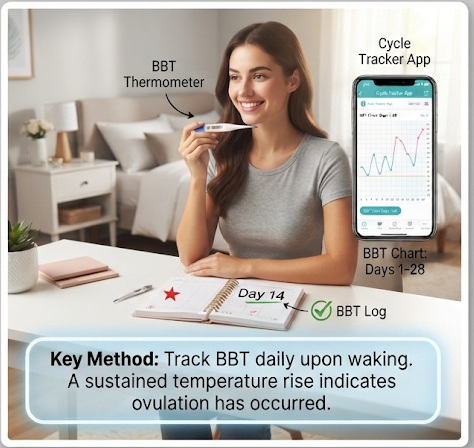
Understanding your menstrual cycle is one of the simplest yet most effective ways to take control of your health. While many people only pay attention to their period dates, tracking your cycle provides valuable insights into your physical, emotional, and reproductive well-being. Whether you’re trying to conceive, avoid pregnancy naturally, or simply understand your body better, cycle tracking can help you make informed decisions.
In this article, we’ll explore why tracking your cycle is important and how it can improve your overall health.
What Is Menstrual Cycle Tracking?
Menstrual cycle tracking is the practice of recording important details about your monthly cycle. This includes the first and last day of your period, the length of your cycle, ovulation signs, mood changes, energy levels, symptoms, and other physical changes.
Today, tracking can be done using mobile apps, digital calendars, or a simple notebook. The goal is to identify patterns that help you understand how your body functions each month.
Helps You Understand Your Body Better
Every person’s menstrual cycle is unique. Although the average cycle lasts 28 days, anything between 21 and 35 days can be considered normal. By tracking your cycle consistently, you can recognize what is normal for your body rather than relying on averages.
You’ll begin to notice recurring symptoms such as cramps, headaches, bloating, fatigue, or mood swings. Understanding these patterns allows you to prepare for them and manage symptoms more effectively.
Supports Reproductive Health
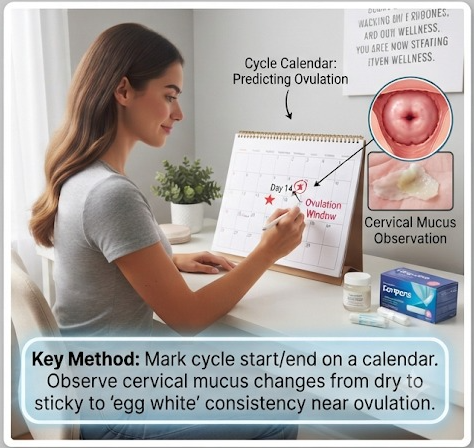
One of the biggest advantages of cycle tracking is identifying your fertile window. Ovulation usually occurs around the middle of the menstrual cycle, making it the best time for conception.
For those planning a pregnancy, tracking ovulation can increase the chances of success. Even if pregnancy isn’t your goal, understanding fertility patterns helps you make informed reproductive decisions and recognize changes that may require medical attention.
Detects Health Issues Early
Changes in your menstrual cycle often provide early signs of underlying health conditions. Irregular periods, unusually heavy bleeding, missed cycles, or severe pain can indicate hormonal imbalances or other medical concerns.
Keeping a detailed cycle history gives healthcare professionals accurate information, making it easier to diagnose conditions such as polycystic ovary syndrome (PCOS), thyroid disorders, endometriosis, or other reproductive health issues.
Early detection often leads to more effective treatment and better long-term health outcomes.
Improves Mental and Emotional Well-Being
Hormonal fluctuations throughout the menstrual cycle affect emotions, concentration, sleep, and stress levels. By tracking these changes, you can understand why certain days feel more challenging than others.
Knowing when mood swings or low-energy days are likely to occur helps you plan important meetings, workouts, or social events accordingly. It also reduces unnecessary stress because you recognize these emotional changes as part of your natural cycle.
Helps You Plan Daily Activities
Your body experiences different energy levels throughout the month. Some days you may feel energetic and motivated, while others may require more rest.
Cycle tracking helps you schedule activities more efficiently. You can plan demanding workouts, travel, work presentations, or personal commitments around periods when your energy is naturally higher while allowing extra self-care during menstruation.
This approach supports both physical performance and overall productivity.
Encourages Healthy Lifestyle Habits
Tracking your cycle often motivates healthier daily routines. Many people begin paying closer attention to hydration, nutrition, exercise, and sleep once they understand how these factors influence their menstrual health.
You may notice that certain foods reduce bloating, regular exercise eases cramps, or better sleep improves mood. These observations encourage long-term habits that support hormonal balance and overall wellness.
Tips for Effective Cycle Tracking
To get the most accurate results, follow these simple practices:
- Record the first and last day of every period.
- Note symptoms such as cramps, headaches, acne, or bloating.
- Track mood changes and energy levels.
- Observe cervical mucus and ovulation signs if needed.
- Record sleep quality, exercise, and stress levels.
- Be consistent every month for the best insights.
Consistency is more valuable than perfection. Even a few minutes of tracking each day can reveal meaningful patterns over time.
Tracking your menstrual cycle is much more than marking period dates on a calendar. It empowers you to understand your body, identify health changes early, improve reproductive awareness, and make healthier lifestyle choices. Whether you use a dedicated app or a simple journal, regular cycle tracking provides valuable information that supports both physical and emotional well-being.
By making cycle tracking a monthly habit, you’ll gain greater confidence in understanding your body’s natural rhythms and be better prepared to take charge of your long-term health.
Liver Cancer Symptoms Cause and Remedy
Read Also: Medical Website Design