The human body contains several interconnected organ systems that perform unique functions. Two of the most important are the urinary tract and the reproductive tract. Although these systems are located close to each other and share some anatomical structures—especially in males—they serve completely different purposes. Understanding the differences between urinary tract and reproductive tract anatomy is essential for recognizing common health conditions, maintaining hygiene, and improving overall health awareness.
What Is the Urinary Tract?
The urinary tract is responsible for filtering waste products from the blood and removing them from the body through urine. It also helps regulate fluid balance, electrolyte levels, and blood pressure.
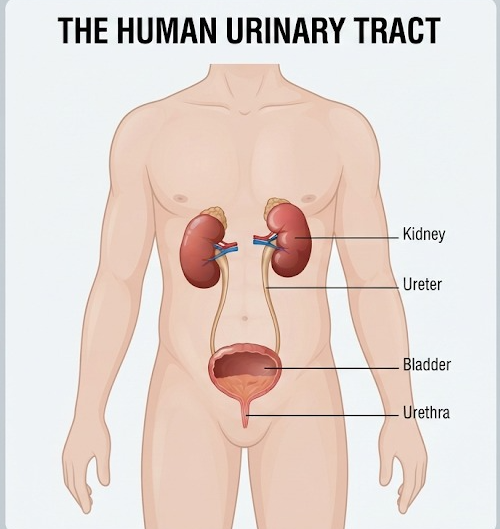
The urinary tract consists of four major organs:
- Kidneys: Filter blood to remove waste and excess water.
- Ureters:Urine is transported from the kidneys to the bladder by the ureters.
- Urinary bladder: The bladder holds pee until it’s time to release it.
- Urethra: Urine is transported from the bladder out of the body through the urethra.
Together, these organs ensure that toxins and excess fluids are safely eliminated from the body.
What Is the Reproductive Tract?
The reproductive tract is responsible for reproduction, hormone production, and sexual function. Its anatomy differs significantly between males and females.
Male Reproductive Tract
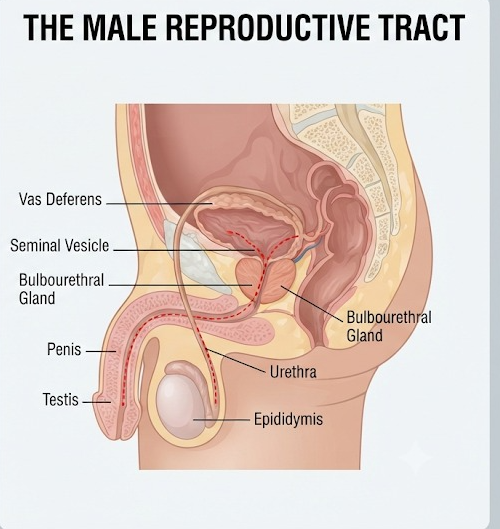
The male reproductive system includes:
- Testes
- Epididymis
- Vas deferens
- Seminal vesicles
- Prostate gland
- Penis
- Urethra
In males, the urethra serves a dual purpose by carrying both urine and semen, although not at the same time.
Female Reproductive Tract
The female reproductive system consists of:
- Ovaries
- Fallopian tubes
- Uterus
- Cervix
- Vagina
- External genitalia (vulva)
Unlike males, females have separate openings for the urinary and reproductive systems.
Key Differences Between the Urinary Tract and Reproductive Tract
Although these systems are located near one another, they have distinct roles.
Purpose:
The urinary tract removes waste and maintains the body’s fluid balance, while the reproductive tract enables reproduction and produces reproductive hormones.
Organs:
The kidneys, ureters, bladder, and urethra are all parts of the urinary system. The reproductive tract includes organs such as the ovaries, uterus, testes, prostate, and associated structures.
Function:
Urination is the primary function of the urinary tract. The reproductive tract is responsible for producing sperm or eggs, facilitating fertilization, and supporting pregnancy in females.
Shared Structures:
In males, the urethra is shared by both systems. In females, the urinary and reproductive tracts remain separate.
Common Disorders Affecting Each System
The urinary tract is commonly affected by conditions such as urinary tract infections (UTIs), kidney stones, bladder infections, and chronic kidney disease. Symptoms may include painful urination, frequent urination, blood in the urine, or lower abdominal pain.
The reproductive tract may experience conditions including infertility, sexually transmitted infections (STIs), ovarian cysts, uterine fibroids, enlarged prostate, and reproductive cancers. Early diagnosis greatly improves treatment outcomes.
Why Understanding the Anatomy Matters
Knowing the difference between urinary tract and reproductive tract anatomy helps people recognize symptoms early and seek appropriate medical care. Since some symptoms, such as pelvic pain or discomfort during urination, may involve either system, understanding their functions can help avoid confusion and encourage timely diagnosis.
Good hygiene, regular medical checkups, adequate hydration, safe sexual practices, and a healthy lifestyle all contribute to maintaining both urinary and reproductive health.
The urinary tract and reproductive tract are separate systems with distinct anatomical structures and essential functions. The urinary tract removes waste and regulates fluid balance, while the reproductive tract supports reproduction and hormone production. Although the two systems are closely positioned and partially overlap in males, understanding their differences is important for maintaining health and identifying medical concerns early. Learning about these systems empowers individuals to make informed healthcare decisions and supports long-term well-being.
How to Choose the Best Online Courses for Career Advancement
Exploring the Top Scientific Theories That Changed the World