Understanding basic human anatomy is one of the first and most important steps for biology students. Human anatomy is the scientific study of the structure of the human body and how its different parts work together. Whether you are preparing for school exams, college courses, or medical entrance tests, learning anatomy provides a strong foundation for advanced biological sciences. This guide explains the major body systems, organs, and their functions in a simple and easy-to-understand way.
What Is Human Anatomy?
Human anatomy is the branch of biology that focuses on the physical structure of the human body. It examines organs, tissues, bones, muscles, and cells to understand how they are organized. While anatomy studies body structure, physiology explains how these structures perform their functions. Together, these two fields help students understand how the human body maintains life.
Levels of Organization in the Human Body
The human body is organized into different structural levels that work together efficiently:
- Cells: The tiniest living units that carry out particular tasks are called cells.
- Tissues: Groups of similar cells working together, such as muscle tissue and nervous tissue.
- Organs: Structures made of multiple tissues, including the heart, lungs, and liver.
- Organ Systems: Multiple organs working together to perform essential body functions.
- Organism: The complete human body functioning as a single living system.
Understanding these levels makes it easier to study anatomy in a logical sequence.
Major Organ Systems of the Human Body
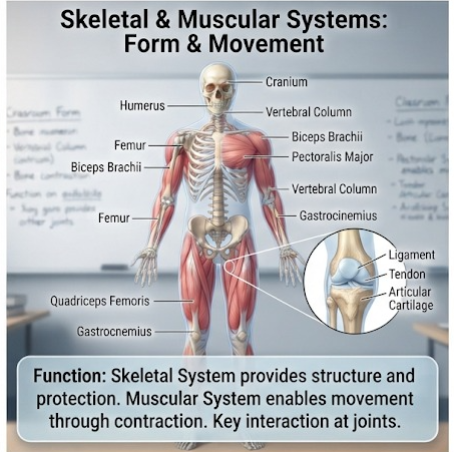
Skeletal System
The skeletal system consists of 206 bones that provide support, protect internal organs, and enable movement. Bones also store minerals like calcium and produce blood cells within the bone marrow.
Muscular System
The muscular system contains over 600 muscles that allow body movement, maintain posture, and generate heat. Muscles work closely with bones and joints to perform daily activities such as walking, lifting, and running.
Nervous System
The nervous system includes the brain, spinal cord, and nerves. It controls body activities by sending electrical signals between the brain and different body parts. This system is responsible for thinking, memory, reflexes, and coordination.
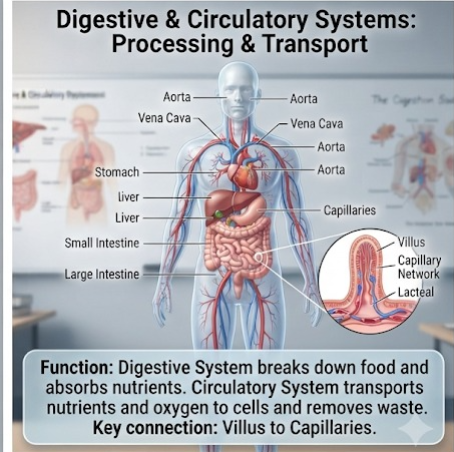
Circulatory System
The circulatory system transports oxygen, nutrients, hormones, and waste products throughout the body. The heart pumps blood through arteries, veins, and capillaries to keep every cell supplied with essential nutrients.
Respiratory System
The respiratory system allows the body to absorb oxygen and remove carbon dioxide. It includes the nose, trachea, lungs, and diaphragm, making breathing possible and supporting cellular respiration.
Digestive System
Food is broken down by the digestive system into nutrients that the body can absorb and utilize for growth, repair, and energy. The mouth, stomach, small and large intestines, liver, and pancreas are examples of major organs.
Excretory System
The main organs of the excretory system are the kidneys. They filter waste products from the blood, regulate water balance, and maintain healthy electrolyte levels by producing urine.
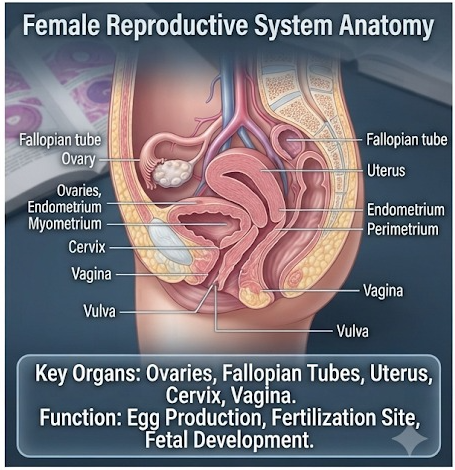
Reproductive System
The reproductive system enables the production of offspring and supports sexual reproduction. Male and female reproductive organs produce reproductive cells and hormones essential for human development.
Importance of Learning Human Anatomy
Studying human anatomy helps biology students understand how body systems interact to maintain health. It also develops analytical thinking and prepares students for careers in medicine, nursing, physiotherapy, pharmacy, biotechnology, and life sciences. A solid knowledge of anatomy makes learning advanced biological topics much easier.
Tips for Biology Students
Learning anatomy becomes easier when you study regularly and use visual aids. Label diagrams, create summary notes, and revise body systems one at a time. Practicing with anatomy models, charts, and quizzes can improve memory and help you perform better in examinations.
Basic human anatomy provides the foundation for understanding the complexity of the human body. By learning the structure and function of major organs and body systems, biology students gain essential knowledge that supports future studies in science and healthcare. Consistent practice, clear concepts, and regular revision will help you master human anatomy with confidence.
How to Choose the Best Online Courses for Career Advancement
Exploring the Top Scientific Theories That Changed the World