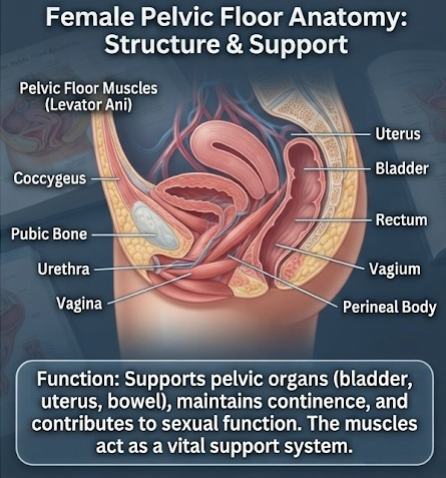
The pelvic floor muscles play a vital role in supporting your body’s core functions, yet they are often overlooked until problems arise. Whether you are recovering after childbirth, experiencing bladder leaks, or simply looking to improve your overall health, understanding these muscles can make a significant difference. This comprehensive guide explains what pelvic floor muscles are, why they matter, common problems, and practical ways to keep them strong.
What Are Pelvic Floor Muscles?
Pelvic floor muscles are a group of muscles and connective tissues located at the bottom of the pelvis. They form a supportive sling that holds important organs in place, including the bladder, bowel, and, in women, the uterus. These muscles also work with your abdominal and back muscles to stabilize your core and maintain proper posture.
Healthy pelvic floor muscles contract and relax as needed, allowing you to control urination and bowel movements while supporting daily activities like walking, lifting, and exercising.
Why Are Pelvic Floor Muscles Important?
Strong pelvic floor muscles contribute to many aspects of physical health. They help prevent urinary and bowel incontinence, support reproductive organs, and improve overall core stability. They also play an important role in sexual health by enhancing muscle control and sensation.
When these muscles become weak or overly tight, they can affect your quality of life. Many people experience discomfort, pelvic pain, or difficulty controlling their bladder, but the good news is that many of these issues can be improved with proper exercises and lifestyle changes.
Common Causes of Weak Pelvic Floor Muscles
Several factors can weaken or damage the pelvic floor over time, including:
- Pregnancy and childbirth
- Aging and menopause
- Obesity or excess body weight
- Chronic constipation
- Heavy lifting without proper technique
- High-impact sports
- Persistent coughing due to smoking or respiratory conditions
- Pelvic surgery
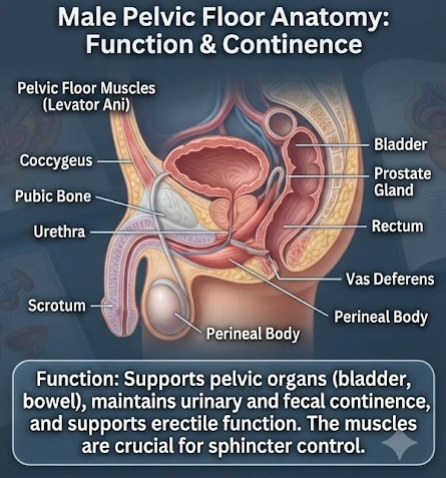
Men can also develop pelvic floor weakness, particularly after prostate surgery or due to aging.
Signs You May Have Pelvic Floor Dysfunction
Recognizing the symptoms early can help you seek treatment before the condition worsens. Common signs include:
- Urine leakage while coughing, sneezing, or exercising
- Frequent urge to urinate
- Difficulty emptying the bladder completely
- Constipation or bowel control issues
- Pelvic pressure or heaviness
- Lower back or pelvic pain
- Pain during intercourse
If these symptoms persist, consulting a healthcare professional or pelvic floor physiotherapist is recommended.
Best Exercises for Strengthening Pelvic Floor Muscles
The most effective exercise for pelvic floor health is the Kegel exercise. It involves tightening and relaxing the pelvic floor muscles to build strength and endurance.
Follow these simple steps:
- Identify the correct muscles by stopping the flow of urine once (only for identification, not regular exercise).
- Tighten those muscles for 5 seconds.
- Relax for 5 seconds.
- Repeat 10–15 times per session.
- Perform three sessions daily.
Consistency is key. Most people notice improvements after several weeks of regular practice.
Lifestyle Tips for Better Pelvic Floor Health
Supporting your pelvic floor involves more than exercise alone. Healthy daily habits can prevent unnecessary strain on these muscles.
- Maintain a healthy body weight.
- Stay physically active with low-impact exercises.
- Eat a high-fiber diet to avoid constipation.
- Drink enough water throughout the day.
- Avoid lifting heavy objects incorrectly.
- Quit smoking to reduce chronic coughing.
- Practice good posture and core strengthening exercises.
These habits can significantly improve pelvic floor function over time.
When Should You See a Doctor?
While mild symptoms often improve with exercises, some conditions require medical evaluation. If you experience severe pelvic pain, persistent urinary leakage, difficulty passing urine, or a feeling that pelvic organs are bulging, schedule an appointment with your healthcare provider. Treatment results might be enhanced and problems can be avoided with early detection.
Understanding your pelvic floor muscles is an essential step toward better overall health. These muscles support vital organs, improve bladder and bowel control, and contribute to core strength and sexual wellness. By practicing regular pelvic floor exercises, maintaining healthy lifestyle habits, and seeking professional help when needed, you can protect your pelvic health for years to come.
Whether you are preventing future problems or managing existing symptoms, caring for your pelvic floor muscles is an investment in your long-term well-being. Small daily efforts can lead to lasting improvements in comfort, confidence, and quality of life.
How to Choose the Best Online Courses for Career Advancement
Exploring the Top Scientific Theories That Changed the World