Teenage years are one of the most transformative stages of life. During puberty, the body produces hormones that trigger rapid physical, emotional, and mental development. These hormonal changes affect both boys and girls differently, influencing growth, mood, appearance, and reproductive health. Understanding these changes helps teenagers and parents navigate adolescence with confidence.
What Are Hormonal Changes in Teenagers?
Hormonal changes occur when the endocrine system releases increased levels of hormones into the bloodstream. Puberty generally begins between 8–13 years in girls and 9–14 years in boys, although the exact timing varies from person to person.
The main hormones responsible for these changes include:
- Estrogen – Promotes female reproductive development.
- Testosterone – Drives male physical development.
- Growth Hormone (GH) – Supports height and muscle growth.
- Luteinizing Hormone (LH) and Follicle-Stimulating Hormone (FSH) – Regulate puberty and reproductive functions.
Hormonal Changes in Teenagers Chart
| Hormone | Boys | Girls | Common Effects |
|---|---|---|---|
| Testosterone | High increase | Small amount | Muscle growth, deeper voice, facial hair |
| Estrogen | Small amount | High increase | Breast development, menstrual cycle, wider hips |
| Growth Hormone (GH) | Increased | Increased | Height growth, stronger bones, muscle development |
| LH (Luteinizing Hormone) | Stimulates testosterone production | Triggers ovulation | Reproductive system development |
| FSH (Follicle-Stimulating Hormone) | Sperm production | Egg development | Fertility and puberty progression |
Physical Changes During Puberty
Hormonal changes cause noticeable physical transformations.
In Boys
- Growth of facial, chest, and body hair
- Voice becomes deeper
- Increased muscle mass
- Broader shoulders
- Enlargement of reproductive organs
- Increased sweating and acne
In Girls
- Breast development
- Menstruation begins
- Wider hips
- Growth of body hair
- Increased body fat around hips and thighs
- Acne and oily skin
These changes are completely normal and occur at different rates for every teenager.
Emotional and Mental Changes
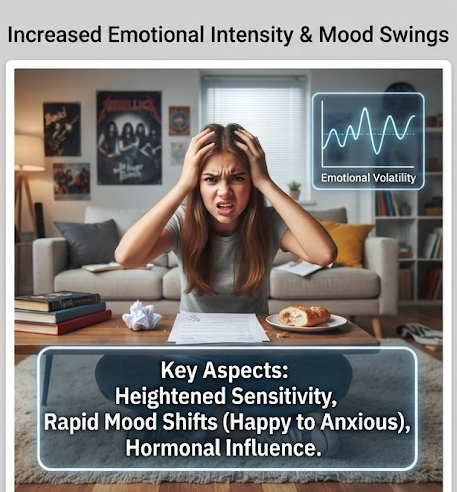
Hormones also affect the brain, leading to emotional fluctuations. Teenagers may experience:
- Mood swings
- Increased sensitivity
- Anxiety or stress
- Growing independence
- Romantic feelings
- Improved critical thinking and decision-making over time
Parents and caregivers should provide emotional support and open communication during this period.

Common Signs of Hormonal Changes
Teenagers often notice several signs as puberty progresses, including:
- Rapid height growth
- Acne or pimples
- Increased appetite
- Body odor
- Changes in sleep patterns
- Emotional ups and downs
- Increased energy levels
These symptoms usually improve as hormone levels stabilize in late adolescence.
Tips for Managing Hormonal Changes
Healthy lifestyle habits can make hormonal changes easier to manage.
- Consume a well-balanced diet that includes a lot of fruits, vegetables, lean protein, and whole grains.
- Exercise regularly to support healthy growth and mood.
- Sleep for 8–10 hours every night.
- Practice good hygiene to reduce acne and body odor.
- Stay hydrated throughout the day.
- Talk openly with parents, teachers, or healthcare professionals if concerns arise.
When Should You See a Doctor?
Although puberty varies for everyone, medical advice is recommended if:
- Puberty starts unusually early or very late.
- Severe acne does not improve.
- Menstrual periods are extremely painful or absent after puberty.
- Emotional changes significantly affect daily life.
- Growth appears unusually slow or rapid.
The hormone levels are growing correctly, according to the healthcare professional.
Hormonal changes in teenagers are a natural part of growing into adulthood. These hormones influence physical growth, emotional development, and reproductive maturity. While every teenager experiences puberty differently, understanding the process can reduce confusion and anxiety. Maintaining a healthy lifestyle, seeking support when needed, and recognizing that these changes are temporary can help teenagers transition through adolescence with confidence.
Liver Cancer Symptoms Cause and Remedy
Read Also: Medical Website Design