
If you’ve been spending hours on the treadmill or going for long runs to stay healthy but still feel bloated, you’re not alone. Many fitness enthusiasts experience stomach discomfort after cardio workouts without understanding the real reason. While cardiovascular exercise offers numerous health benefits, excessive or improperly managed cardio can sometimes contribute to bloating.
In this article, we’ll explore why cardio might be keeping you bloated, the science behind it, and practical ways to reduce digestive discomfort while maintaining your fitness routine.
What Causes Bloating After Cardio?
Bloating is the feeling of fullness, tightness, or swelling in your abdomen. During cardio exercise, your body undergoes several physiological changes that can affect digestion.
When you exercise intensely, your body redirects blood flow away from your digestive system toward your working muscles. This temporary reduction in digestive function can slow stomach emptying, causing food and gas to remain in your digestive tract longer than usual. As a result, you may notice abdominal discomfort or bloating after your workout.
Additionally, heavy breathing during cardio can lead to swallowing extra air, which may accumulate in your stomach and contribute to bloating.
High-Intensity Cardio Can Stress Your Digestive System
Not all cardio workouts affect your body the same way. High-intensity interval training (HIIT), sprinting, and long-distance running place significant stress on your body.
Your body releases stress chemicals like cortisol and adrenaline when you exercise vigorously. While these hormones help improve athletic performance, they can temporarily disrupt normal digestion. Elevated cortisol levels may also contribute to water retention, making your stomach feel puffy even if excess gas isn’t present.
If you’re consistently pushing yourself through demanding cardio sessions without enough recovery, your digestive system may struggle to function efficiently.
Dehydration May Make Bloating Worse
Many people assume drinking less water will reduce bloating, but the opposite is often true.
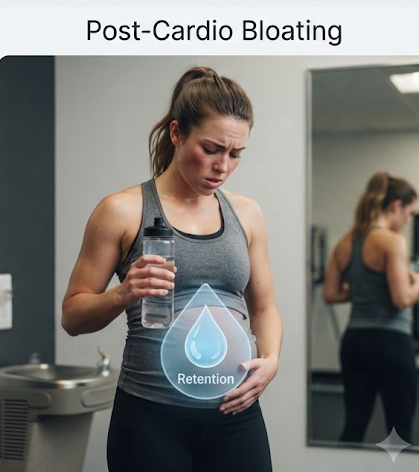
Cardio causes you to lose fluids through sweat. If you don’t replace those fluids, dehydration can occur. In response, your body may retain water to protect itself, creating the appearance of bloating.
Proper hydration supports healthy digestion, helps prevent constipation, and reduces the likelihood of water retention after exercise.
Eating Too Close to Your Workout
One common reason for post-cardio bloating is poor meal timing.
Eating a large meal immediately before running or cycling gives your digestive system very little time to process food. Since digestion slows during exercise, partially digested food remains in your stomach longer, increasing the chances of bloating, cramping, and discomfort.
Experts generally recommend waiting at least two to three hours after a large meal before engaging in vigorous cardio. If you need pre-workout energy, choose a light snack that’s easy to digest.
Sports Drinks and Energy Gels Could Be the Problem
Many athletes rely on sports drinks, protein shakes, or energy gels during workouts. However, some of these products contain artificial sweeteners, sugar alcohols, or excessive amounts of sugar that can ferment in the digestive tract.
These ingredients may increase gas production and contribute to bloating, especially for individuals with sensitive stomachs.
Reading ingredient labels and choosing products with simpler formulations may help reduce digestive issues.
Could Overtraining Be Affecting Your Gut?
Doing cardio every day without sufficient recovery may negatively impact both your muscles and your digestive health.
Overtraining can increase chronic inflammation and elevate cortisol levels for extended periods. This ongoing stress may interfere with gut function and alter the balance of healthy bacteria in your digestive system.
Including rest days, strength training, flexibility exercises, and low-impact activities like walking can support both recovery and digestive wellness.
Tips to Reduce Bloating During Cardio
If cardio regularly leaves you feeling bloated, consider these simple strategies:
- Stay well hydrated before, during, and after exercise.
- Avoid large meals within two to three hours of intense workouts.
- Limit carbonated beverages before exercising.
- Eat slowly to reduce swallowing excess air.
- Choose easily digestible pre-workout snacks.
- Gradually increase workout intensity instead of overtraining.
- Prioritize quality sleep and stress management to help regulate cortisol levels.
Small adjustments can often make a noticeable difference in how your body feels after exercise.
When Should You See a Doctor?
Occasional bloating after cardio is usually harmless. However, persistent bloating accompanied by severe pain, vomiting, unexplained weight loss, blood in the stool, or ongoing digestive problems should be evaluated by a healthcare professional.
These symptoms could indicate an underlying medical condition that requires proper diagnosis and treatment.
Cardio remains one of the best forms of exercise for heart health, weight management, and overall fitness. However, if you’ve been wondering why cardio might be keeping you bloated, factors such as dehydration, high workout intensity, poor meal timing, swallowed air, and overtraining may be responsible.
By paying attention to hydration, nutrition, recovery, and workout intensity, you can continue enjoying the benefits of cardio while minimizing digestive discomfort. Listen to your body, make gradual adjustments, and remember that effective fitness isn’t just about working harder—it’s about working smarter.
Liver Cancer Symptoms Cause and Remedy
Read Also: Medical Website Design